

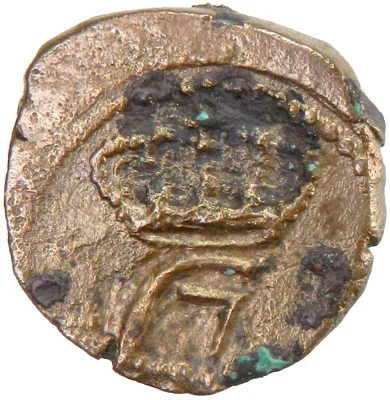
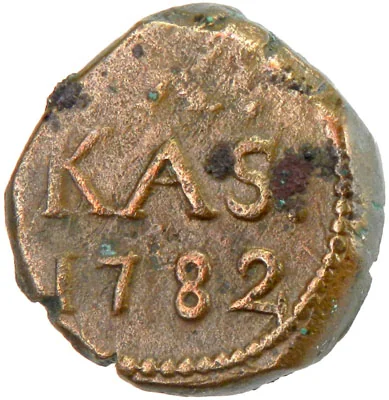
10 Cash – Danish India
India
Context
Years: 1782–1790
Country: India 
Issuer: Danish India
Ruler: Christian VII
Currency:
(1730—1818)
Demonetized: Yes
Material
References
KM: #Click to copy to clipboard165
Numista: #119828
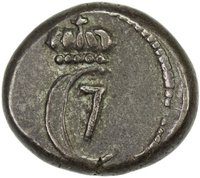
Obverse
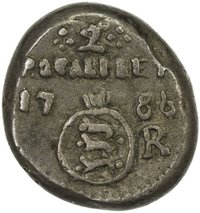
Reverse
Edge
Mintings
| Year | Mint Mark | Mintage | Quality | Collection |
|---|---|---|---|---|
| 1782 | — | — | ||
| 1786 | — | — | ||
| 1788 | — | — | ||
| 1790 | — | — |
Historical background
In 1782, Danish India, consisting primarily of the trading posts of Tranquebar (Tharangambadi) on the Coromandel Coast and Serampore (Frederiksnagore) in Bengal, operated within a complex and challenging monetary environment. The Danish Asiatic Company, which administered these settlements, faced persistent difficulties due to the lack of a standardized, authoritative currency. Transactions were conducted using a bewildering array of coins: Spanish silver dollars (pieces of eight), various Indian gold pagodas and silver rupees from neighbouring Mughal and regional mints, and even Danish rigsdaler. This multiplicity created constant problems of exchange rates, valuation, and counterfeiting, hampering both local trade and the profitability of the Company's operations.
The Danish response was to attempt to introduce their own standardized coinage to simplify trade and assert sovereignty. In Tranquebar, the mint produced coins like the "Tranquebar pagoda" and silver "fanams," but these often struggled for acceptance beyond the immediate settlement. The real economic power lay with the dominant regional currencies, particularly the silver rupee of the Nawab of Arcot, which circulated widely in the south, and the Mughal sicca rupee in Bengal. Danish authorities were often forced to officially recognise these foreign coins and post daily exchange rates, underscoring their limited monetary control.
Therefore, the currency situation in 1782 was one of pragmatic subordination within a larger Indian economic sphere. While Danish administrative documents and company accounts might be kept in rigsdaler, the actual lifeblood of commerce in Serampore and Tranquebar was Indian and Spanish silver. The Danish settlements functioned as minor participants in vast, pre-existing networks of trade and finance, their monetary policy largely reactive and focused on facilitating the exchange between European bullion and the local currencies that truly powered the regional economy.
The Danish response was to attempt to introduce their own standardized coinage to simplify trade and assert sovereignty. In Tranquebar, the mint produced coins like the "Tranquebar pagoda" and silver "fanams," but these often struggled for acceptance beyond the immediate settlement. The real economic power lay with the dominant regional currencies, particularly the silver rupee of the Nawab of Arcot, which circulated widely in the south, and the Mughal sicca rupee in Bengal. Danish authorities were often forced to officially recognise these foreign coins and post daily exchange rates, underscoring their limited monetary control.
Therefore, the currency situation in 1782 was one of pragmatic subordination within a larger Indian economic sphere. While Danish administrative documents and company accounts might be kept in rigsdaler, the actual lifeblood of commerce in Serampore and Tranquebar was Indian and Spanish silver. The Danish settlements functioned as minor participants in vast, pre-existing networks of trade and finance, their monetary policy largely reactive and focused on facilitating the exchange between European bullion and the local currencies that truly powered the regional economy.
✨ Legendary