

1 Cash – Danish India
India
Context
Years: 1670–1699
Country: India 
Issuer: Danish India
Ruler: Christian V
Currency:
(1730—1818)
Demonetized: Yes
Material
References
KM: #Click to copy to clipboard92
Numista: #119785
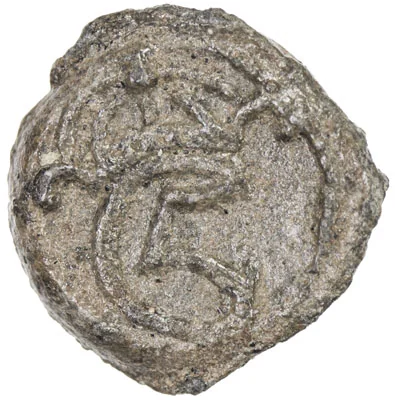
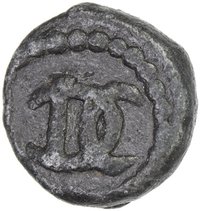
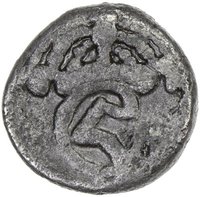
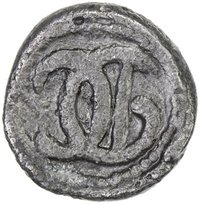
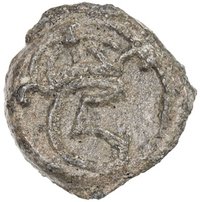
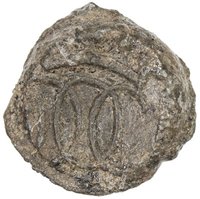
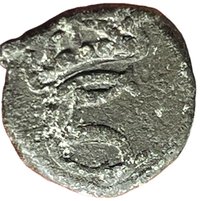
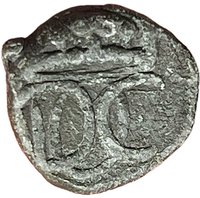
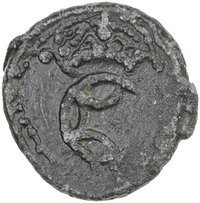
Obverse
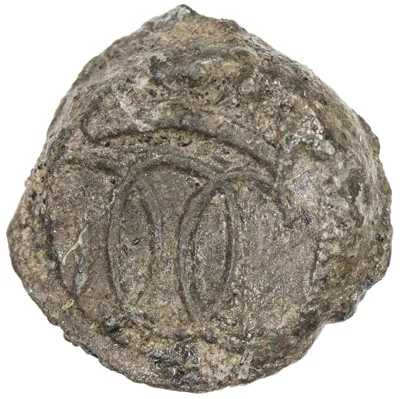
Reverse
Edge
Mintings
| Year | Mint Mark | Mintage | Quality | Collection |
|---|---|---|---|---|
| — | — | — |
Historical background
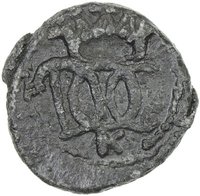
In 1670, the currency situation in Danish India, centered on the small coastal enclave of Tranquebar (Tharangambadi) and the outpost of Serampore (acquired later), was characterized by practical adaptation to regional economic realities rather than strict imposition of a Danish monetary system. The Danish East India Company, operating with limited capital and influence, found its trade—primarily in textiles, spices, and saltpeter—deeply integrated into the vast and complex monetary networks of the Indian subcontinent. Consequently, the Company’s accounts and local transactions were overwhelmingly conducted in a variety of already-circulating coins, most notably the ubiquitous Silver Rupee of the Mughal Empire and various gold pagodas from South Indian kingdoms.
The Danish response was to issue a limited series of local coins intended to facilitate trade within their settlements and with immediate neighbors. These included copper kas and silver fanams, whose values were pegged to the prevailing Indian denominations to ensure their acceptance. However, these local issues were not a dominant currency; they served as fractional money for smaller, everyday transactions within Tranquebar itself. The Company's major commercial dealings and wealth storage relied on the recognized regional standards of silver and gold, meaning Danish India effectively operated on a de facto bimetallic system dictated by Mughal and South Indian economies.
This monetary landscape presented continuous challenges. The Danish Company had to constantly manage exchange rates between different coinages, guard against the inflow of debased or counterfeit coins, and navigate the fluctuating value of silver relative to gold. The situation underscored the broader reality of European "colonial" enclaves in 17th-century India: they were minor trading players obliged to conform to the established and sophisticated financial systems of the much larger indigenous economies, with local coinage serving a supplementary, rather than sovereign, role.
The Danish response was to issue a limited series of local coins intended to facilitate trade within their settlements and with immediate neighbors. These included copper kas and silver fanams, whose values were pegged to the prevailing Indian denominations to ensure their acceptance. However, these local issues were not a dominant currency; they served as fractional money for smaller, everyday transactions within Tranquebar itself. The Company's major commercial dealings and wealth storage relied on the recognized regional standards of silver and gold, meaning Danish India effectively operated on a de facto bimetallic system dictated by Mughal and South Indian economies.
This monetary landscape presented continuous challenges. The Danish Company had to constantly manage exchange rates between different coinages, guard against the inflow of debased or counterfeit coins, and navigate the fluctuating value of silver relative to gold. The situation underscored the broader reality of European "colonial" enclaves in 17th-century India: they were minor trading players obliged to conform to the established and sophisticated financial systems of the much larger indigenous economies, with local coinage serving a supplementary, rather than sovereign, role.
✨ Legendary