

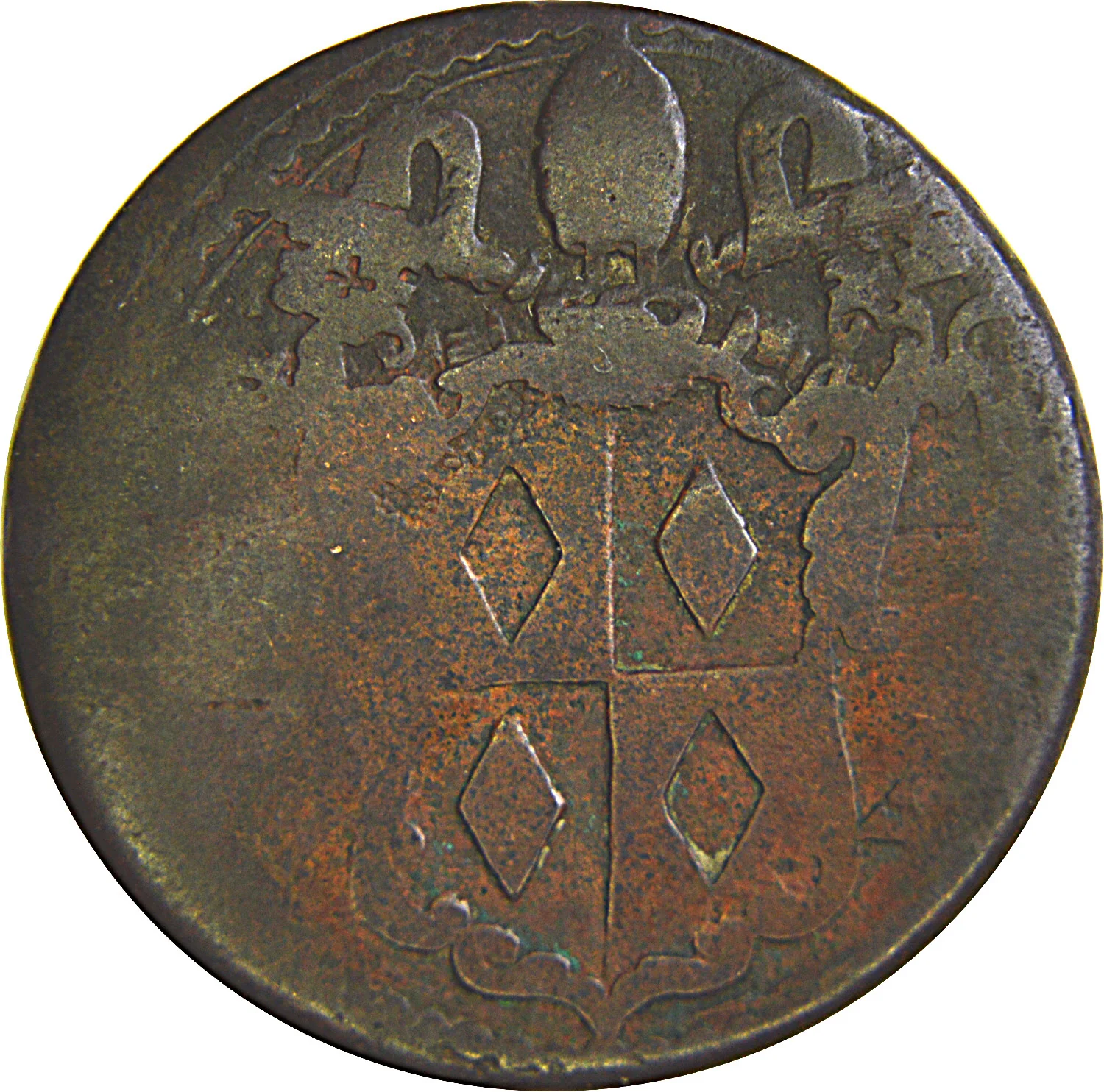
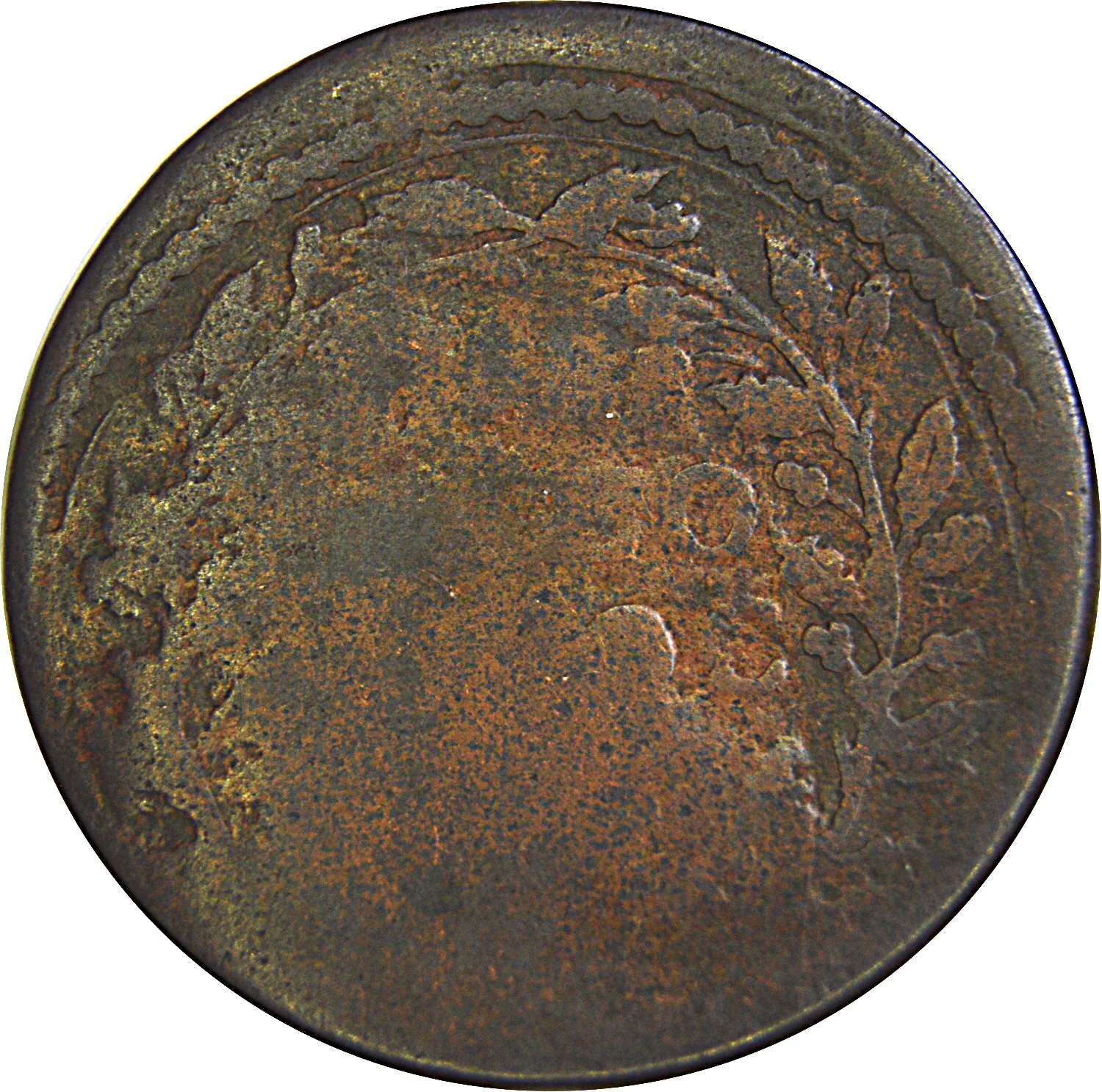
½ baiocco – Gubbio
Add to wishlist
Italy
Context
Years: 1667–1669
Country: Italy
Issuer: Gubbio
Ruler: Clement IX
Currency:
(1534—1835)
Demonetized: Yes
Material
References
KM: #
Numista: #88165
Obverse
Reverse
Edge
Plain
Mints
| Name | Mark |
|---|---|
| Gubbio | — |
Mintings
| Year | Mint Mark | Mintage | Quality | Collection |
|---|---|---|---|---|
| — | — | — |
Historical background
In 1667, the Italian city-state of Gubbio, like much of the Papal States under Pope Alexander VII, operated within a complex and often strained monetary system. The official currency was the Papal scudo, a silver coin, but the reality of daily commerce was a cacophony of circulating specie. Older, debased coins from previous pontificates, foreign currencies from neighboring duchies (like the Tuscan piastra), and even clipped or counterfeit coins all competed for acceptance, creating constant confusion over exchange rates and real value. This proliferation weakened the authority of the central papal mint and led to frequent disputes in the marketplace.
The local economy of Gubbio, heavily reliant on wool, ceramics, and agriculture, felt these monetary pressures acutely. Merchants and the Arte della Lana (Wool Guild) had to navigate this unreliable medium for both local trade and exporting goods to regional fairs. The instability discouraged investment and complicated tax collection, as the city's condotta (municipal budget) struggled to reconcile revenues collected in mixed coinage with obligations payable in sound silver. Furthermore, the papal government's own financial demands to fund its building projects and administrative costs in Rome often drained reliable coinage from the periphery, exacerbating the scarcity of good money in cities like Gubbio.
Consequently, 1667 represented a point of ongoing monetary tension rather than a crisis. The communal authorities likely issued periodic tariffs (tasse) to fix exchange rates between the various coins in an attempt to bring order, but these were often temporary solutions. The situation underscored the broader challenge of pre-modern finance: the disconnect between the nominal value of coinage and its intrinsic metal content, a problem felt in every transaction from a nobleman's purchase of land to a peasant's sale of wheat at Gubbio's market.
The local economy of Gubbio, heavily reliant on wool, ceramics, and agriculture, felt these monetary pressures acutely. Merchants and the Arte della Lana (Wool Guild) had to navigate this unreliable medium for both local trade and exporting goods to regional fairs. The instability discouraged investment and complicated tax collection, as the city's condotta (municipal budget) struggled to reconcile revenues collected in mixed coinage with obligations payable in sound silver. Furthermore, the papal government's own financial demands to fund its building projects and administrative costs in Rome often drained reliable coinage from the periphery, exacerbating the scarcity of good money in cities like Gubbio.
Consequently, 1667 represented a point of ongoing monetary tension rather than a crisis. The communal authorities likely issued periodic tariffs (tasse) to fix exchange rates between the various coins in an attempt to bring order, but these were often temporary solutions. The situation underscored the broader challenge of pre-modern finance: the disconnect between the nominal value of coinage and its intrinsic metal content, a problem felt in every transaction from a nobleman's purchase of land to a peasant's sale of wheat at Gubbio's market.
✨ Legendary