

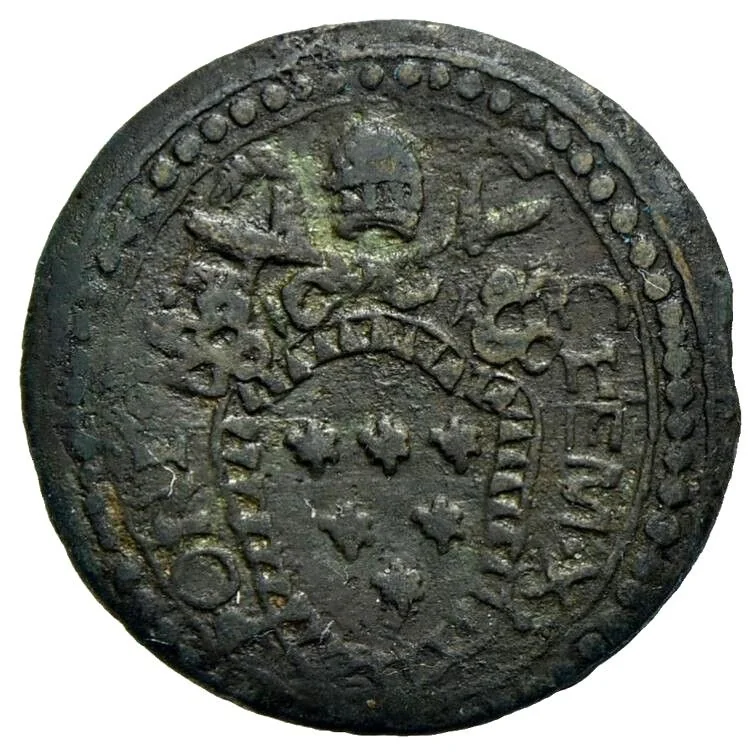
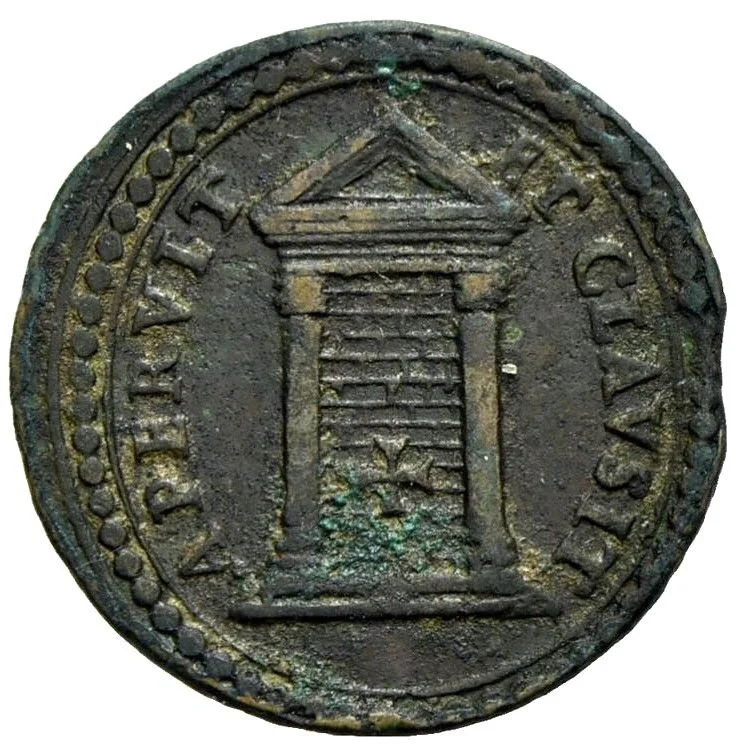
1 quattrino – Gubbio
Add to wishlist
Italy
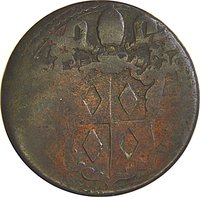
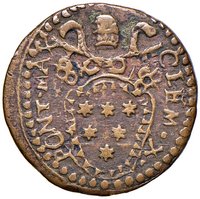
Obverse
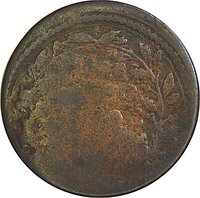
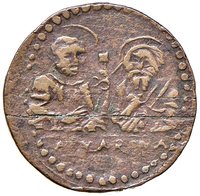
Reverse
Edge
Plain
Categories
| Symbols> Coat of Arms |
Mints
| Name | Mark |
|---|---|
| Gubbio | — |
Mintings
| Year | Mint Mark | Mintage | Quality | Collection |
|---|---|---|---|---|
| — | — | — |
Historical background
In 1670, Gubbio, like much of the Italian peninsula, operated within a complex and fragmented monetary system. The city, part of the Papal States under Pope Clement X, did not mint its own coinage but used a mixture of currencies in daily circulation. The official unit of account was the Papal scudo, a large silver coin, but everyday transactions relied heavily on a plethora of smaller regional coins from neighbouring duchies and republics, such as Bolognese baiocchi and Florentine quattrini. This created constant practical challenges, as merchants and citizens had to be familiar with fluctuating exchange rates and the varying silver content of coins, making commerce cumbersome.
The local economy was primarily agrarian, with a modest wool and textile trade, meaning that most transactions were small-scale. Consequently, there was a chronic shortage of low-denomination coinage (moneta spicciola) for market purchases and wages. This often forced the populace to use heavily worn coins or even engage in barter. Counterfeiting was also a persistent problem, as the proliferation of different coin types made it easier for debased or forged coins, particularly from less scrupulous neighbouring states, to enter circulation and undermine trust.
Monetary policy was ultimately dictated from Rome, leaving Gubbio with little autonomy to address these local irritants. The Papal government occasionally issued edicts to fix exchange rates or withdraw specific debased coins, but these measures were often ineffective at the grassroots level. Thus, the currency situation in 1670 Gubbio was one of nominal papal control but de facto monetary confusion, reflecting the broader economic stagnation and political decentralization of the era, where the inconveniences of a pre-national currency system were felt acutely in daily life.
The local economy was primarily agrarian, with a modest wool and textile trade, meaning that most transactions were small-scale. Consequently, there was a chronic shortage of low-denomination coinage (moneta spicciola) for market purchases and wages. This often forced the populace to use heavily worn coins or even engage in barter. Counterfeiting was also a persistent problem, as the proliferation of different coin types made it easier for debased or forged coins, particularly from less scrupulous neighbouring states, to enter circulation and undermine trust.
Monetary policy was ultimately dictated from Rome, leaving Gubbio with little autonomy to address these local irritants. The Papal government occasionally issued edicts to fix exchange rates or withdraw specific debased coins, but these measures were often ineffective at the grassroots level. Thus, the currency situation in 1670 Gubbio was one of nominal papal control but de facto monetary confusion, reflecting the broader economic stagnation and political decentralization of the era, where the inconveniences of a pre-national currency system were felt acutely in daily life.
✨ Legendary