Logo Title
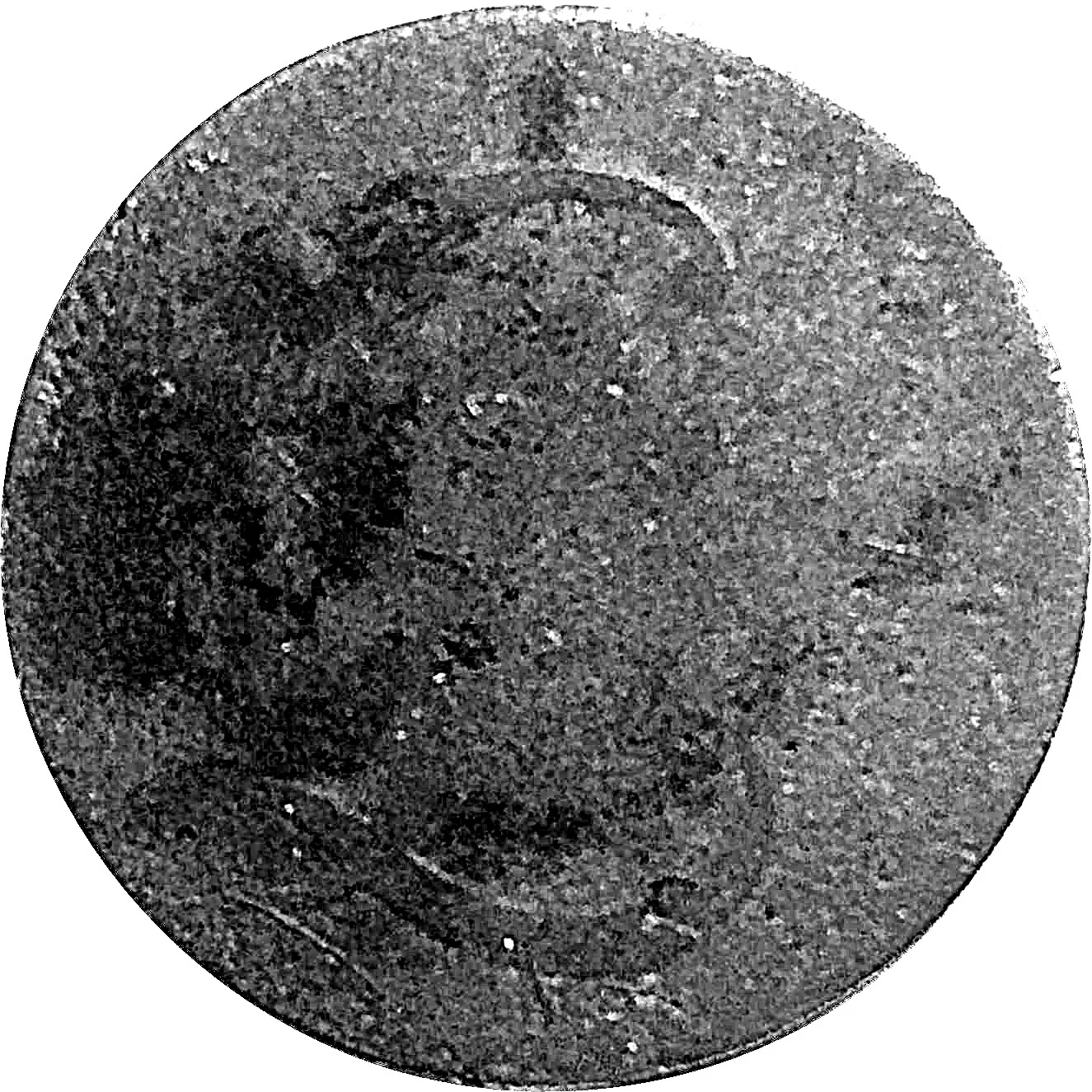
obverse
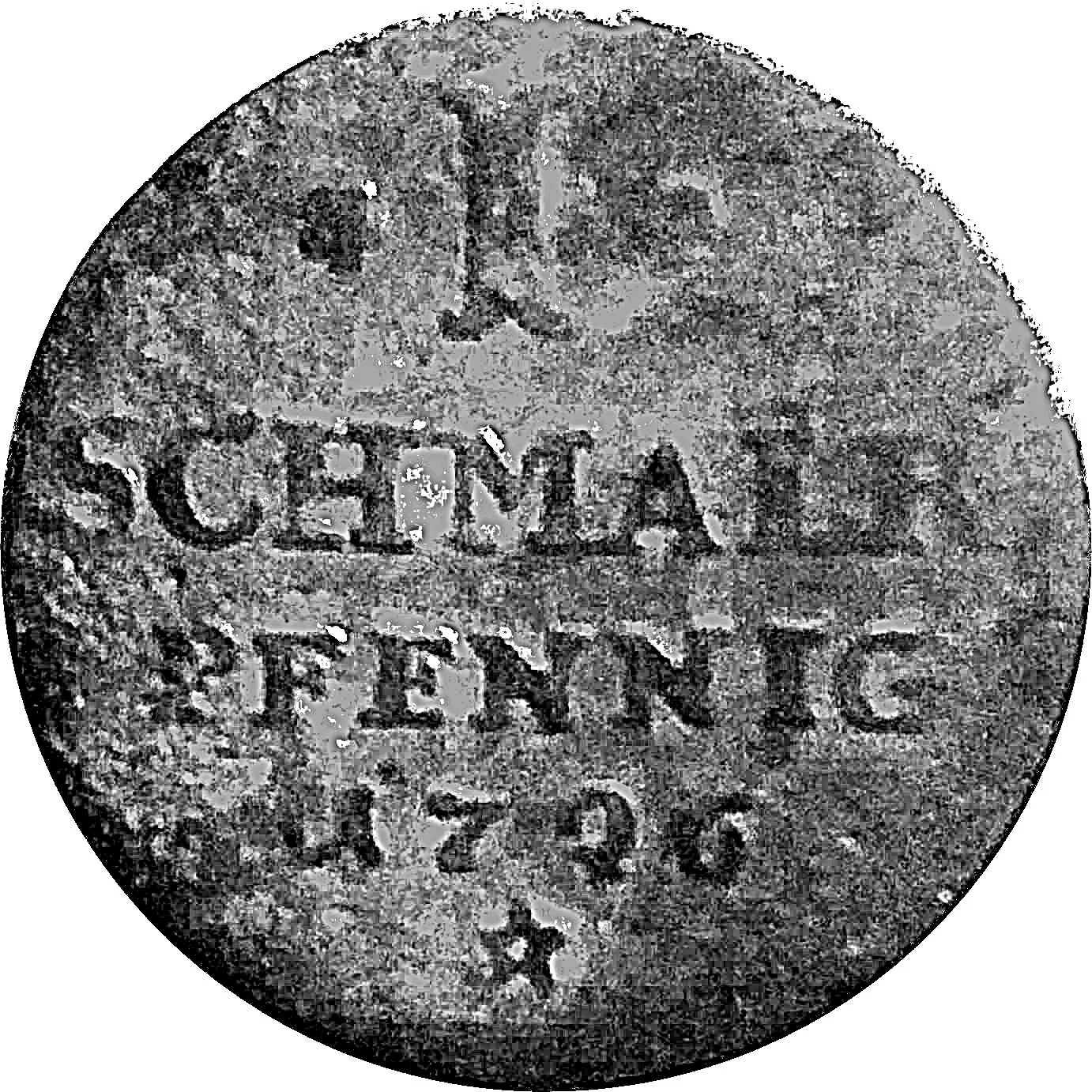
reverse
Kettti
Context
Years: 1724–1726
Ruler: Charles I
Currency:
Demonetized: Yes
Material
Diameter: 19 mm
Shape: Round
Composition: Copper
Magnetic: No
Alignment: Coin alignment
Obverse
OBVERSE ↑
flip
Reverse
REVERSE ↓
References
KM: #Click to copy to clipboard3
Numista: #87301

Obverse

Description:
Monogram script 'CL'.
Inscription:
CL
Script: Latin

Reverse

Description:
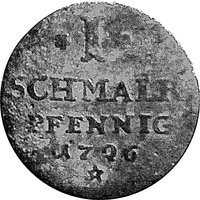
SCHMALK / PFENNIG / 1726
Inscription:
I

SCHMALK

PFENNIG

1726
Script: Latin

Edge

Mints

NameMark
Schmalkalden

Mintings

YearMint MarkMintageQualityCollection
1724
1725
1726

Historical background

In 1724, the currency situation in the Landgraviate of Hesse-Cassel was one of controlled stability amidst a fragmented and complex German monetary landscape. Landgrave Charles I, who ruled until 1730, maintained a relatively sound fiscal policy, avoiding the severe debasements that plagued many neighboring territories. The primary unit was the Hesse-Cassel Thaler, a large silver coin that adhered to the Reichsthaler standard set by the Holy Roman Empire. This provided a crucial benchmark for trade and state finance, ensuring the landgraviate's currency held credibility in regional commerce.

However, daily transactions were dominated by a multitude of smaller, often degraded subsidiary coins. A proliferation of Groschen, Kreuzer, and Pfennig circulated, their values defined against the Thaler in intricate and locally specific conversion tables. This system was inherently cumbersome, as the landgraviate's coinage coexisted with a flood of foreign currencies from neighboring states, each with its own fluctuating silver content. The constant evaluation and exchange required for even simple trade created friction and opportunity for fraud.

This relative stability was underpinned by Hesse-Cassel’s emerging economic model, which combined prudent land management with a notorious and highly profitable mercenary soldier trade (Soldatenhandel). The substantial subsidies received from foreign powers, particularly Great Britain, for providing regiments were often paid in high-quality foreign specie, which bolstered the landgraviate's reserves. Thus, in 1724, Hesse-Cassel’s currency system was a dual one: a stable, high-value Thaler for state and large-scale transactions, insulating its broader finances, and a messy, everyday circulation of small change that reflected the fragmented reality of the Holy Roman Empire.

Series: 1724 Landgraviate of Hesse-Cassel circulation coins

1 Pfennig obverse
1 Pfennig reverse
1 Pfennig
1724-1726
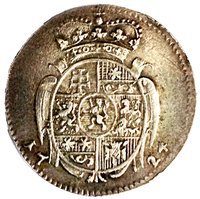
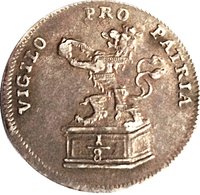
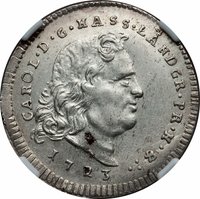
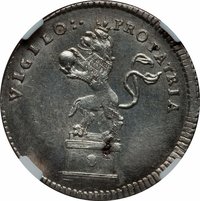
⅛ Thaler obverse
⅛ Thaler reverse
⅛ Thaler
1724
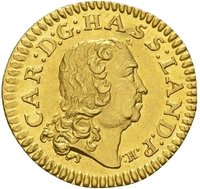
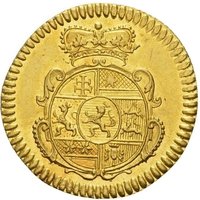
1 Ducat obverse
1 Ducat reverse
1 Ducat
1724-1725
Legendary