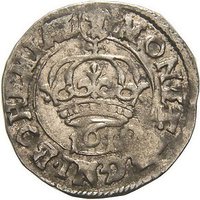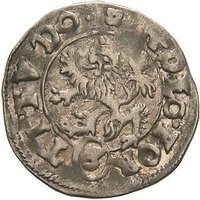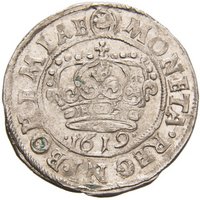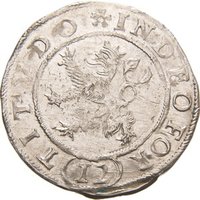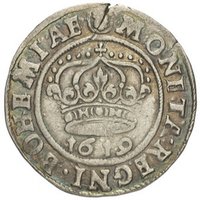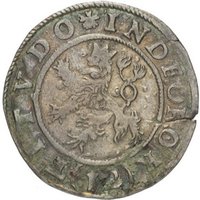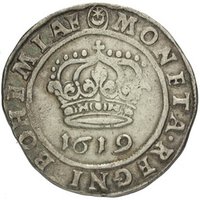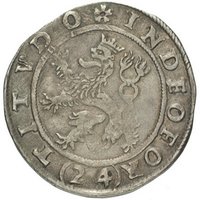
In 1619, the Kingdom of Bohemia was in a state of profound political and financial crisis, directly tied to the opening stages of the Thirty Years' War. The previous year, the Protestant Bohemian estates had rebelled against the Catholic Habsburg monarch, Ferdinand II, culminating in the Defenestration of Prague. They subsequently deposed Ferdinand and elected the Calvinist Frederick V of the Palatinate as their new king. This act of defiance left the fledgling government in Prague with the immense financial burden of raising and maintaining armies to defend its sovereignty against the impending Habsburg reconquest, while its legitimacy was rejected by much of Europe's established powers.
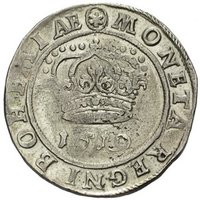
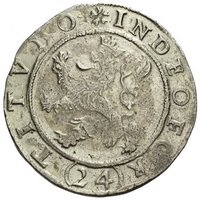
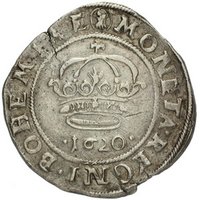
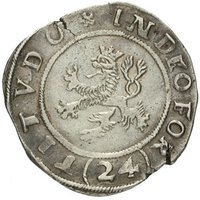
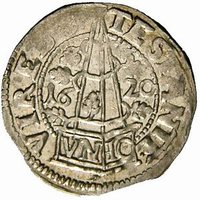
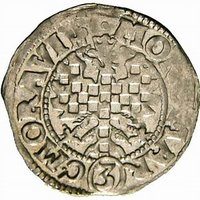
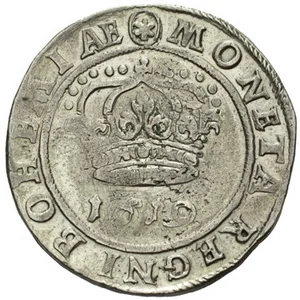
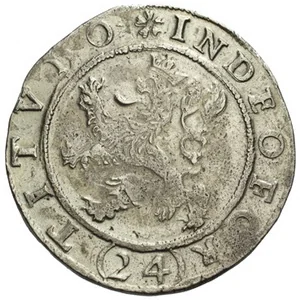
The currency situation reflected this desperate position. The Bohemian estates, controlling the minting authority, engaged in severe currency debasement. They drastically reduced the silver content in the minted
groschen and
kreuzer coins to generate immediate revenue from seigniorage. This practice, essentially creating inflation to fund the war effort, flooded the market with low-value coinage. While it provided short-term cash for soldiers and supplies, it rapidly eroded public trust in the currency, disrupted local commerce, and caused prices to soar, placing a heavy burden on the common population.
The monetary instability was short-lived but severe. The Bohemian revolt met a catastrophic end at the Battle of White Mountain in November 1620. With the defeat of Frederick's forces and the re-imposition of Habsburg authority, the rebel coinage was demonetized. Ferdinand II's victorious administration later carried out a sweeping monetary reform, recoining the debased money and restoring a unified, stable currency under strict royal control, using this as a tool to punish rebels and reward loyalists while consolidating Habsburg power in the aftermath of the rebellion.