

1 Thaler – Austrian Empire
Austria

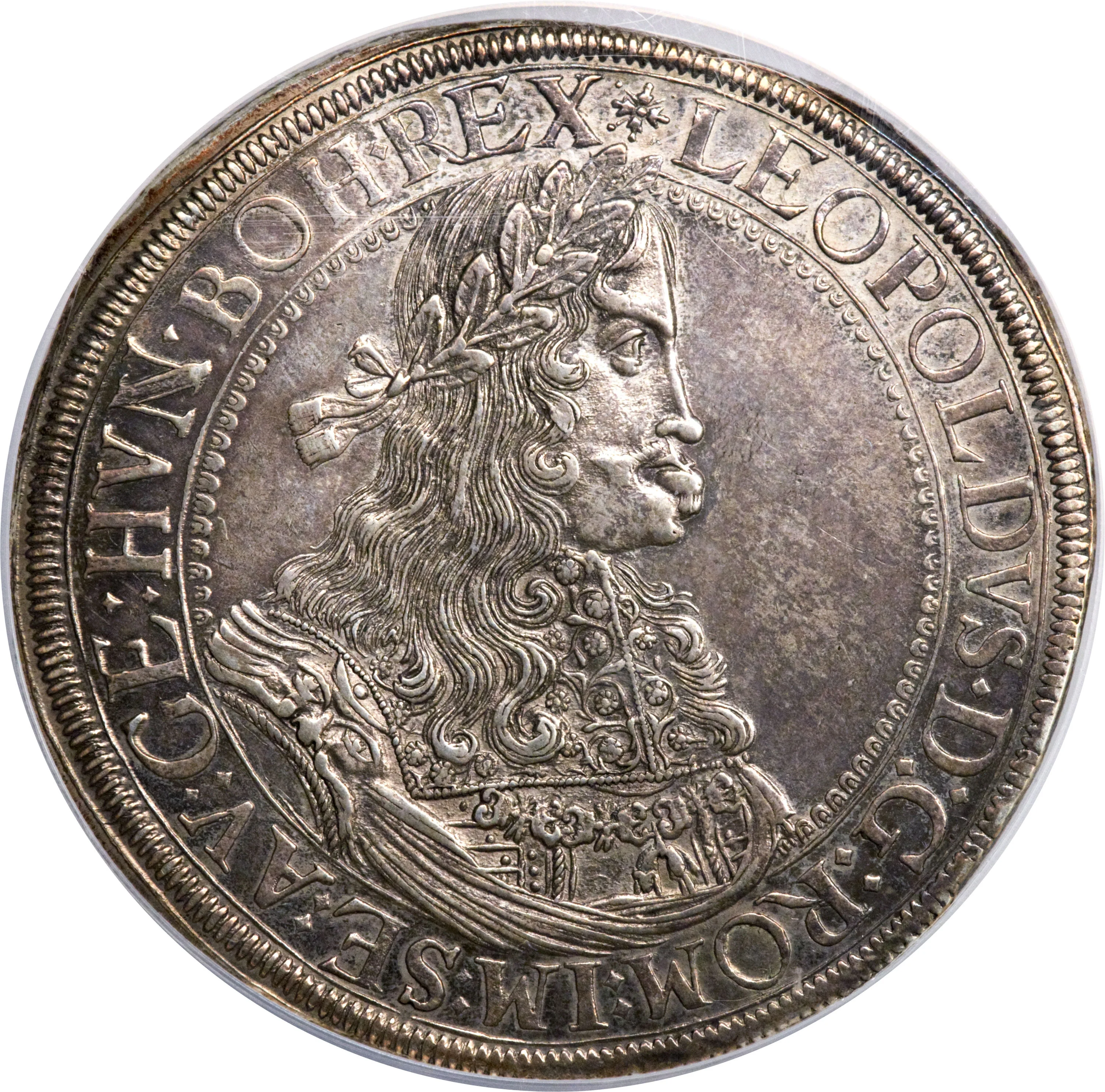
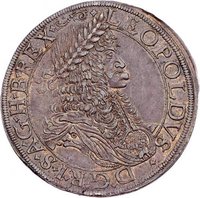
Obverse
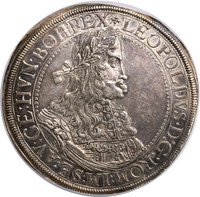
Description:
Armored laureate bust right, continuous legend.
Inscription:
LEOPOLDVS D G ROM IM SE AV GE HVN BOH REX
Script: Latin
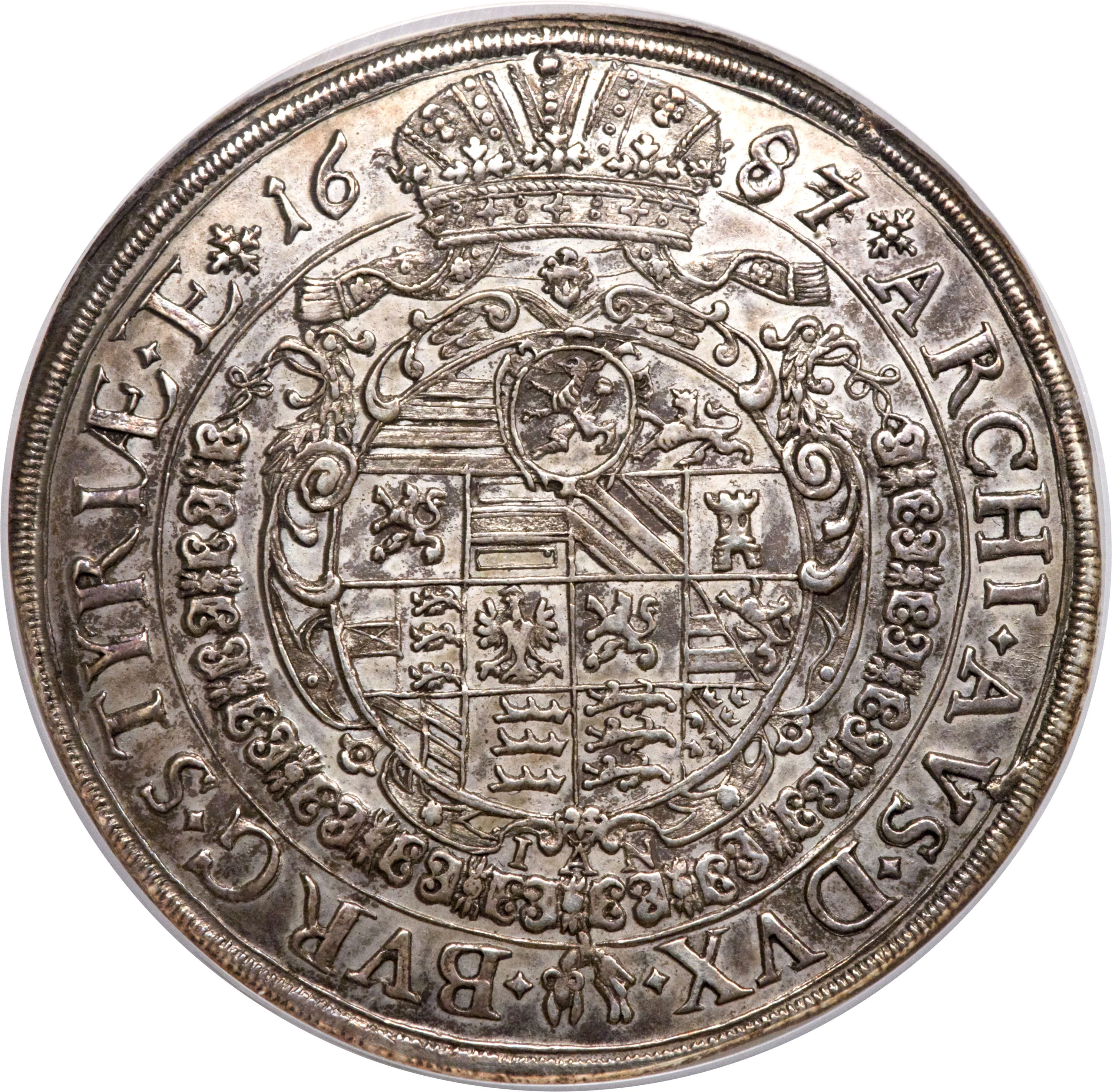
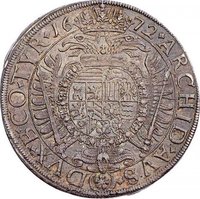
Reverse
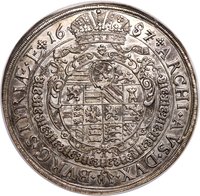
Description:
Crown above date, composite arms with Styrian shield.
Inscription:
ARCHI AVS DVX BVRG STYRIÆ ETC
Script: Latin
Edge
Mints
| Name | Mark |
|---|---|
| Graz | — |
Mintings
| Year | Mint Mark | Mintage | Quality | Collection |
|---|---|---|---|---|
| 1671 | IGW | — | ||
| 1672 | — | — | ||
| 1674 | — | — | ||
| 1676 | — | — | ||
| 1678 | — | — | ||
| 1682 | — | — | ||
| 1684 | — | — | ||
| 1687 | — | — | ||
| 1688 | — | — |
Historical background
In 1671, the currency system of the Habsburg Monarchy, often referred to as the Austrian Empire, was a complex and fragmented patchwork of coins, reflecting its diverse and non-centralized political structure. The empire lacked a single, unified currency. Instead, various constituent lands—such as the Archduchy of Austria, the Kingdom of Bohemia, and the Kingdom of Hungary—minted their own coins, most notably the silver Guldiner (or thaler) and smaller denominations like kreuzers. The official accounting unit was the gold Guiden (florin), but its value in relation to the myriad of circulating silver and copper coins was unstable and subject to frequent adjustment.
This period was one of significant monetary strain, largely due to the immense costs of continuous warfare, particularly the ongoing wars against the Ottoman Empire in the east and involvement in European conflicts like the Franco-Dutch War. To finance these military campaigns, the Habsburg state frequently resorted to debasement—reducing the precious metal content in coins while maintaining their face value. This practice, especially prevalent with smaller copper and billon (low-grade silver) coins used by the general populace, led to severe inflation, price volatility, and a loss of public trust in the currency. The situation created a chaotic monetary environment where the actual value of coins could differ greatly by region and over time.
Efforts at reform were piecemeal and often ineffective against these powerful fiscal pressures. The central authorities in Vienna struggled to impose order, but the autonomy of the estates (Stände) in different kingdoms and duchies, who often controlled minting rights, hindered unified policy. Consequently, by 1671, the empire's currency was characterized by a confusing multiplicity of coins of fluctuating intrinsic value, chronic inflation, and a structural tension between the Crown's urgent need for war finance and the long-term economic stability of its realms. This instability would persist until more comprehensive reforms were attempted in the following century.
This period was one of significant monetary strain, largely due to the immense costs of continuous warfare, particularly the ongoing wars against the Ottoman Empire in the east and involvement in European conflicts like the Franco-Dutch War. To finance these military campaigns, the Habsburg state frequently resorted to debasement—reducing the precious metal content in coins while maintaining their face value. This practice, especially prevalent with smaller copper and billon (low-grade silver) coins used by the general populace, led to severe inflation, price volatility, and a loss of public trust in the currency. The situation created a chaotic monetary environment where the actual value of coins could differ greatly by region and over time.
Efforts at reform were piecemeal and often ineffective against these powerful fiscal pressures. The central authorities in Vienna struggled to impose order, but the autonomy of the estates (Stände) in different kingdoms and duchies, who often controlled minting rights, hindered unified policy. Consequently, by 1671, the empire's currency was characterized by a confusing multiplicity of coins of fluctuating intrinsic value, chronic inflation, and a structural tension between the Crown's urgent need for war finance and the long-term economic stability of its realms. This instability would persist until more comprehensive reforms were attempted in the following century.
✨ Legendary