

1 Tallero – Republic of Ragusa
Croatia
Context
Years: 1738–1748
Country: Croatia 
Issuer: Republic of Ragusa
Period:
(1294—1803)
Currency:
(1294—1803)
Subdivision: 1 Tallero = 60 Grosetti
Demonetized: Yes
Material
References
KM: #Click to copy to clipboard17
Numista: #86638
Value
Bullion value: $80.82
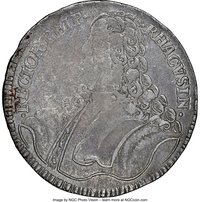
Obverse
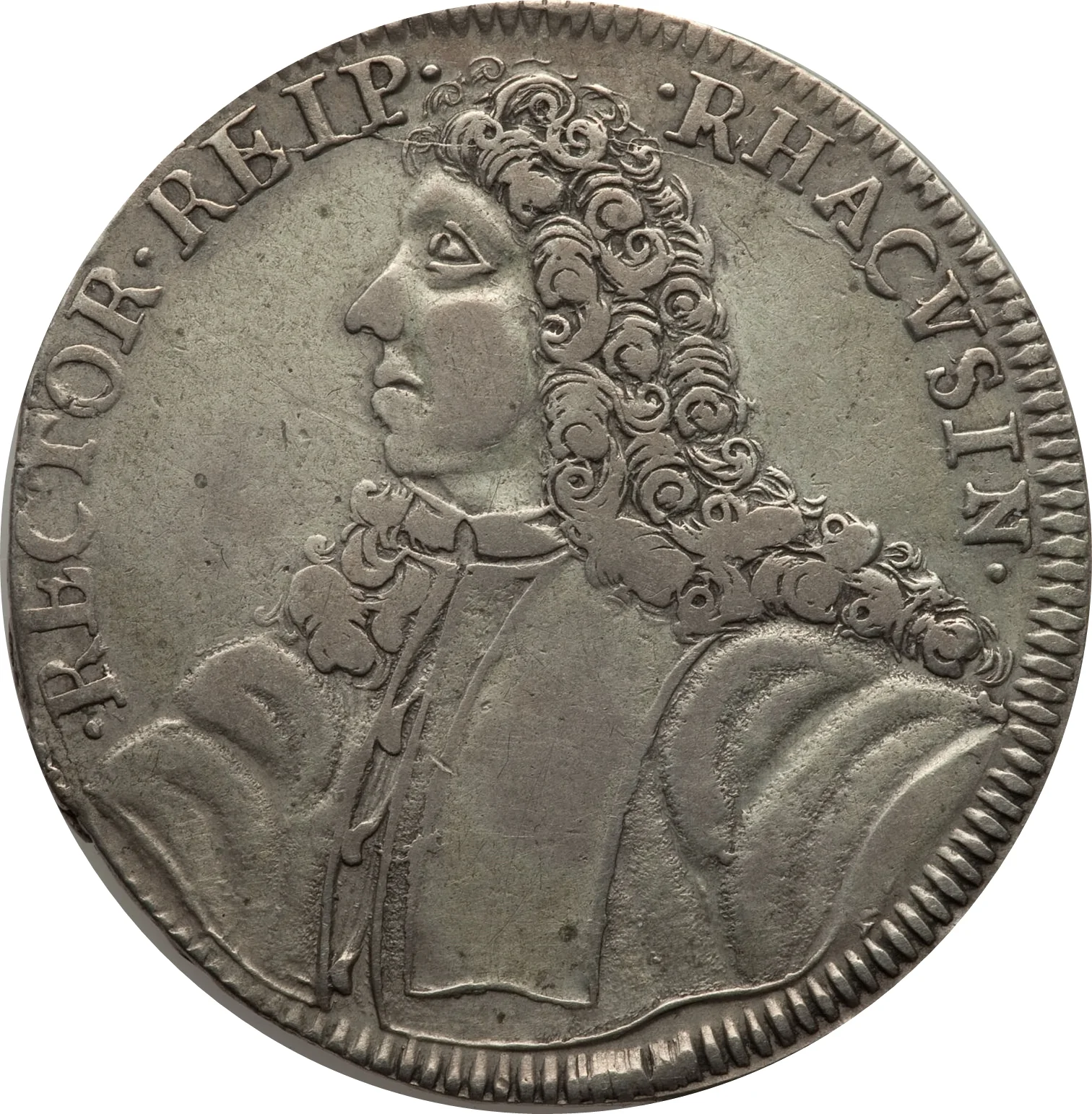
Description:
Bust left, encircled by lettering.
Inscription:
・RECTOR・REIP ・・ RHACVSIN・
Script: Latin
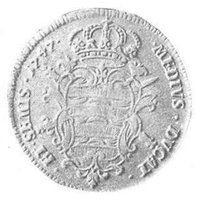
Reverse
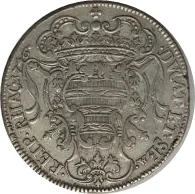
Description:
Crowned, ornate coat of arms with encircling lettering and date.
Inscription:
DVCAT・ ET・SEM・REIP・RHAG・
Script: Latin
Edge
Mintings
| Year | Mint Mark | Mintage | Quality | Collection |
|---|---|---|---|---|
| 1738 | — | — | ||
| 1743 | — | — | ||
| 1744 | — | — | ||
| 1745 | — | — | ||
| 1746 | — | — | ||
| 1747 | — | — | ||
| 1748 | — | — |
Historical background
In 1738, the Republic of Ragusa (modern-day Dubrovnik) operated within a complex and layered monetary system, a direct reflection of its geopolitical position. As a small, neutral maritime republic nestled between the Ottoman Empire and Venetian territories, Ragusa did not mint its own gold or silver coins for general circulation. Instead, its economy relied heavily on a multitude of foreign currencies. The most prominent of these was the Ottoman kuruş (piastre), a testament to Ragusa's status as a tributary state to the Sublime Porte and its extensive trade within the Balkans. Alongside this, Venetian ducats and sequins, Spanish pieces of eight, and various other Italian and Habsburg thalers circulated freely in its port, used for larger commerce and state finance.
For local, everyday transactions, the republic issued its own small-denomination coinage. These were copper or billon (debased silver) coins, such as the soldo and gazetta, minted in limited quantities at the state mint. Their primary purpose was to facilitate market trade and pay for small services, but their value was inherently unstable. Their worth was officially tied by proclamation to the dominant foreign silver coins, particularly the Ottoman piastre, creating a fixed exchange rate that the Senate struggled to maintain. This practice often led to discrepancies between the official and market rates, especially as the quality and supply of these local coins fluctuated.
The year 1738 falls within a period of relative stability for Ragusa, but its monetary situation was inherently fragile. The dependence on foreign specie meant that Ragusa's economic stability was vulnerable to the monetary policies and debasements of larger empires. Furthermore, the coexistence of so many currencies required sophisticated financial services, which Ragusan merchants and money-changers expertly provided. This system, while functional, underscored the republic's constrained sovereignty; its economic lifeblood was external, mirroring its delicate political balancing act between powerful neighbours to preserve its independence.
For local, everyday transactions, the republic issued its own small-denomination coinage. These were copper or billon (debased silver) coins, such as the soldo and gazetta, minted in limited quantities at the state mint. Their primary purpose was to facilitate market trade and pay for small services, but their value was inherently unstable. Their worth was officially tied by proclamation to the dominant foreign silver coins, particularly the Ottoman piastre, creating a fixed exchange rate that the Senate struggled to maintain. This practice often led to discrepancies between the official and market rates, especially as the quality and supply of these local coins fluctuated.
The year 1738 falls within a period of relative stability for Ragusa, but its monetary situation was inherently fragile. The dependence on foreign specie meant that Ragusa's economic stability was vulnerable to the monetary policies and debasements of larger empires. Furthermore, the coexistence of so many currencies required sophisticated financial services, which Ragusan merchants and money-changers expertly provided. This system, while functional, underscored the republic's constrained sovereignty; its economic lifeblood was external, mirroring its delicate political balancing act between powerful neighbours to preserve its independence.
💎 Extremely Rare