

1 Kuruş – Ottoman Empire
Turkey
Context
Years: 1767–1773
Country: Turkey 
Issuer: Ottoman Empire
Ruler: Mustafa III
Currency:
(1688—1844)
Demonetized: Yes
Material
References
KM: #Click to copy to clipboard321.2 (2)
Numista: #86320
Value
Bullion value: $52.06
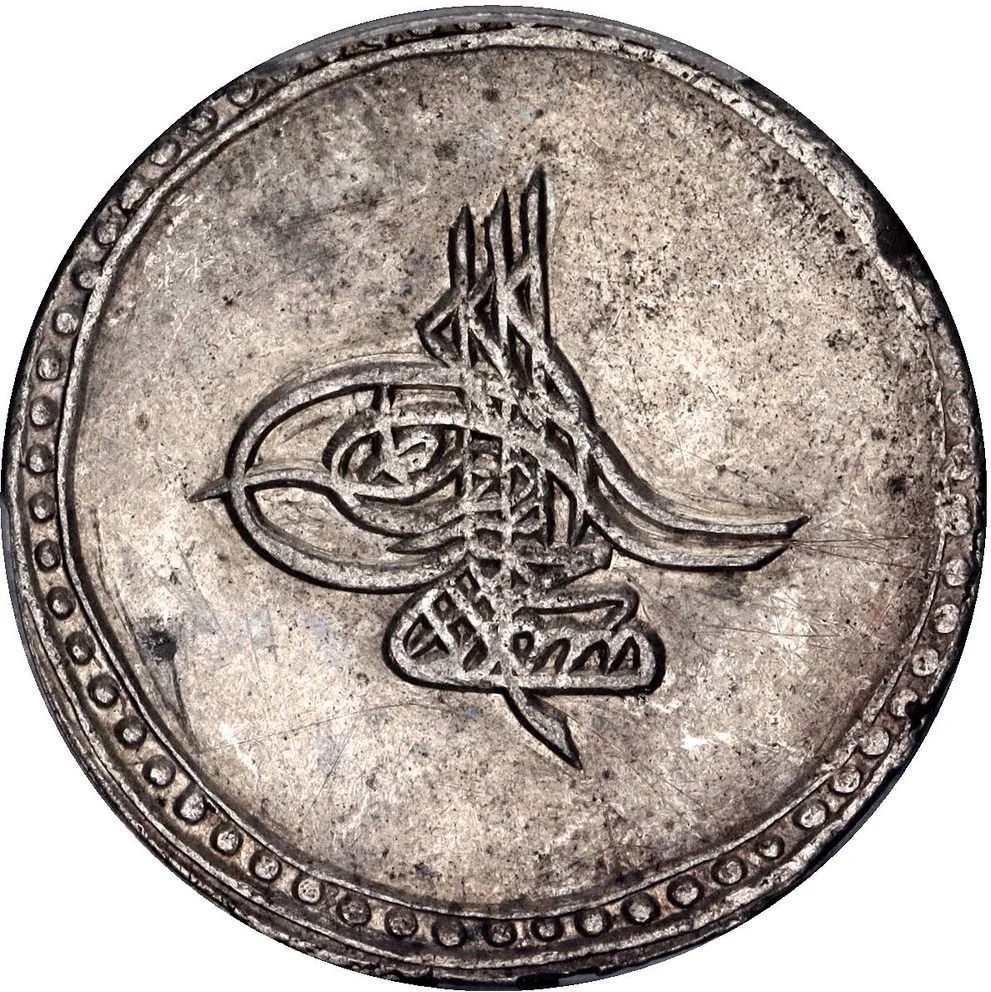
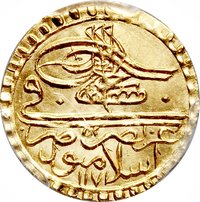
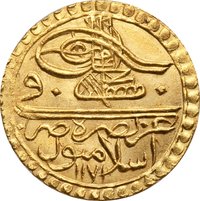
Obverse
Description:
Tughra of Sultan Mustafa III within a double pelleted border.
Script: Arabic
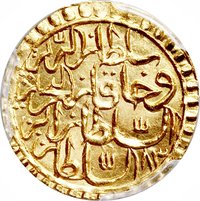
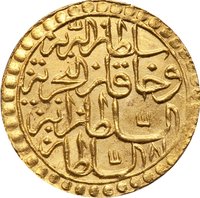
Reverse
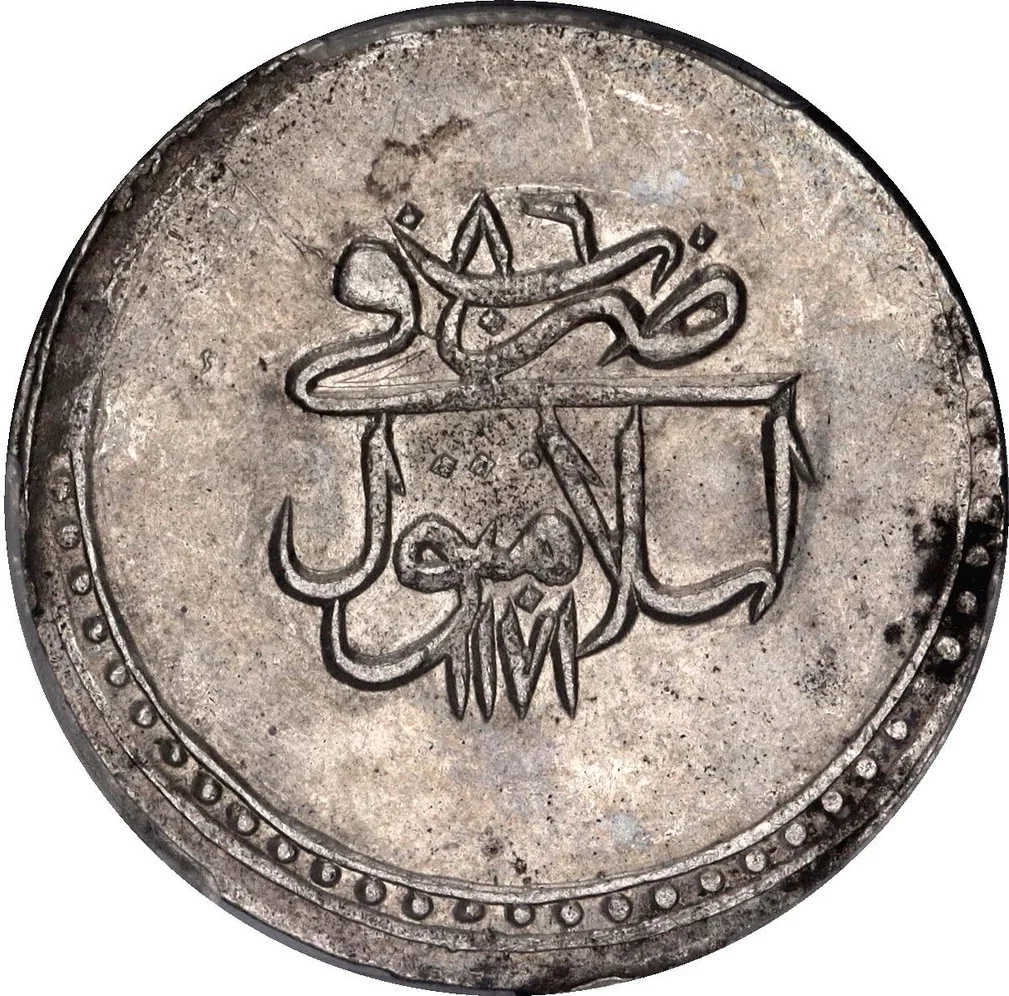
Description:
Issued '71, authorized 1171, within double pelleted rings.
Inscription:
٨٠
ضرب في
اسلامبول
١١٧١
ضرب في
اسلامبول
١١٧١
Script: Arabic
Edge
Plain
Mints
| Name | Mark |
|---|---|
| Constantinople | — |
Mintings
| Year | Mint Mark | Mintage | Quality | Collection |
|---|---|---|---|---|
| 1767 | — | — | ||
| 1768 | — | — | ||
| 1769 | — | — | ||
| 1770 | — | — | ||
| 1771 | — | — | ||
| 1772 | — | — | ||
| 1773 | — | — | ||
| 1773 | — | — |
Historical background
In 1767, the Ottoman Empire’s currency system was in a state of profound crisis, a culmination of decades of fiscal mismanagement and military overextension. The empire operated on a bimetallic system, with the silver akçe and the gold sultani as primary coins, but their values were unstable. Chronic budget deficits, driven by costly wars with Russia and Persia and the need to maintain a vast, decentralized administration, were financed through the repeated debasement of coinage. The state would recall coins, reduce their precious metal content, and reissue them, generating short-term revenue but eroding public trust and causing rampant inflation. This practice, known as tağşiş, had become a destructive habit by the mid-18th century.
The monetary chaos was exacerbated by the influx of foreign currency, particularly Spanish and Austrian silver thalers (riyals), which circulated widely due to their reliable silver content. These foreign coins were often preferred over debased Ottoman issues for large-scale trade, undermining the Sultan’s monetary sovereignty. Within the empire, the simultaneous circulation of old and new coins of the same denomination but different intrinsic value created a complex and inefficient market, where exchange rates fluctuated wildly. This environment severely disrupted both long-distance commerce and daily transactions, harming artisans, merchants, and soldiers whose fixed salaries lost purchasing power.
Ultimately, the currency instability of 1767 was a symptom of the empire’s struggle to adapt its medieval fiscal structures to the pressures of the modern world economy. It reflected a central government losing its grip on economic policy, with provincial elites and money changers (sarrafs) gaining significant power in managing the chaotic financial landscape. This period of monetary turmoil would contribute to the social and political unrest that culminated in the later reforms of Sultan Selim III, who recognized that financial and military modernization were inextricably linked for the empire’s survival.
The monetary chaos was exacerbated by the influx of foreign currency, particularly Spanish and Austrian silver thalers (riyals), which circulated widely due to their reliable silver content. These foreign coins were often preferred over debased Ottoman issues for large-scale trade, undermining the Sultan’s monetary sovereignty. Within the empire, the simultaneous circulation of old and new coins of the same denomination but different intrinsic value created a complex and inefficient market, where exchange rates fluctuated wildly. This environment severely disrupted both long-distance commerce and daily transactions, harming artisans, merchants, and soldiers whose fixed salaries lost purchasing power.
Ultimately, the currency instability of 1767 was a symptom of the empire’s struggle to adapt its medieval fiscal structures to the pressures of the modern world economy. It reflected a central government losing its grip on economic policy, with provincial elites and money changers (sarrafs) gaining significant power in managing the chaotic financial landscape. This period of monetary turmoil would contribute to the social and political unrest that culminated in the later reforms of Sultan Selim III, who recognized that financial and military modernization were inextricably linked for the empire’s survival.
💎 Extremely Rare