

20 scudi – Malta
Add to wishlist
Malta
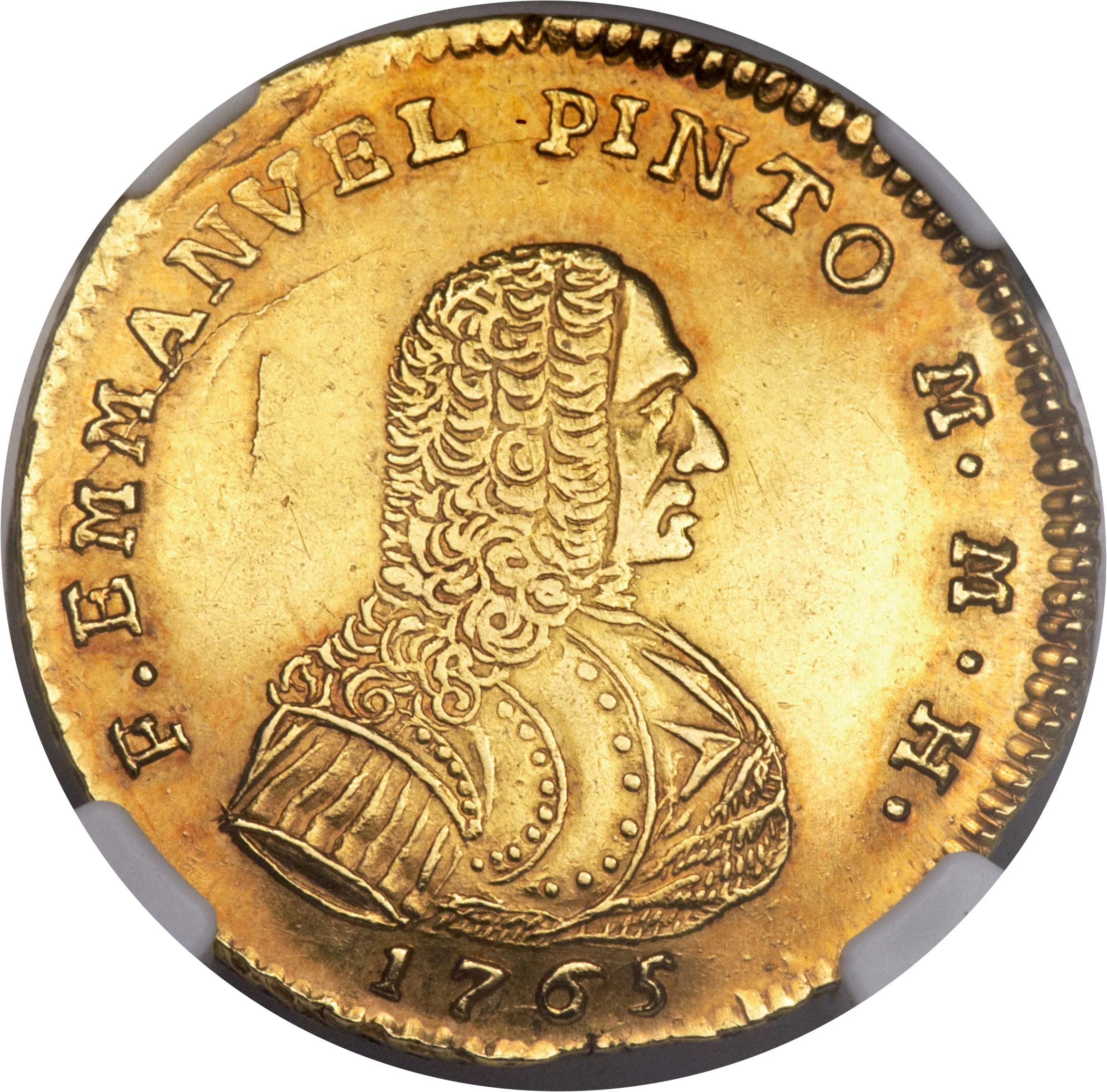
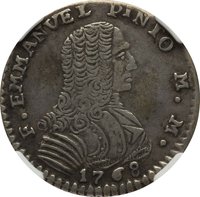
Obverse
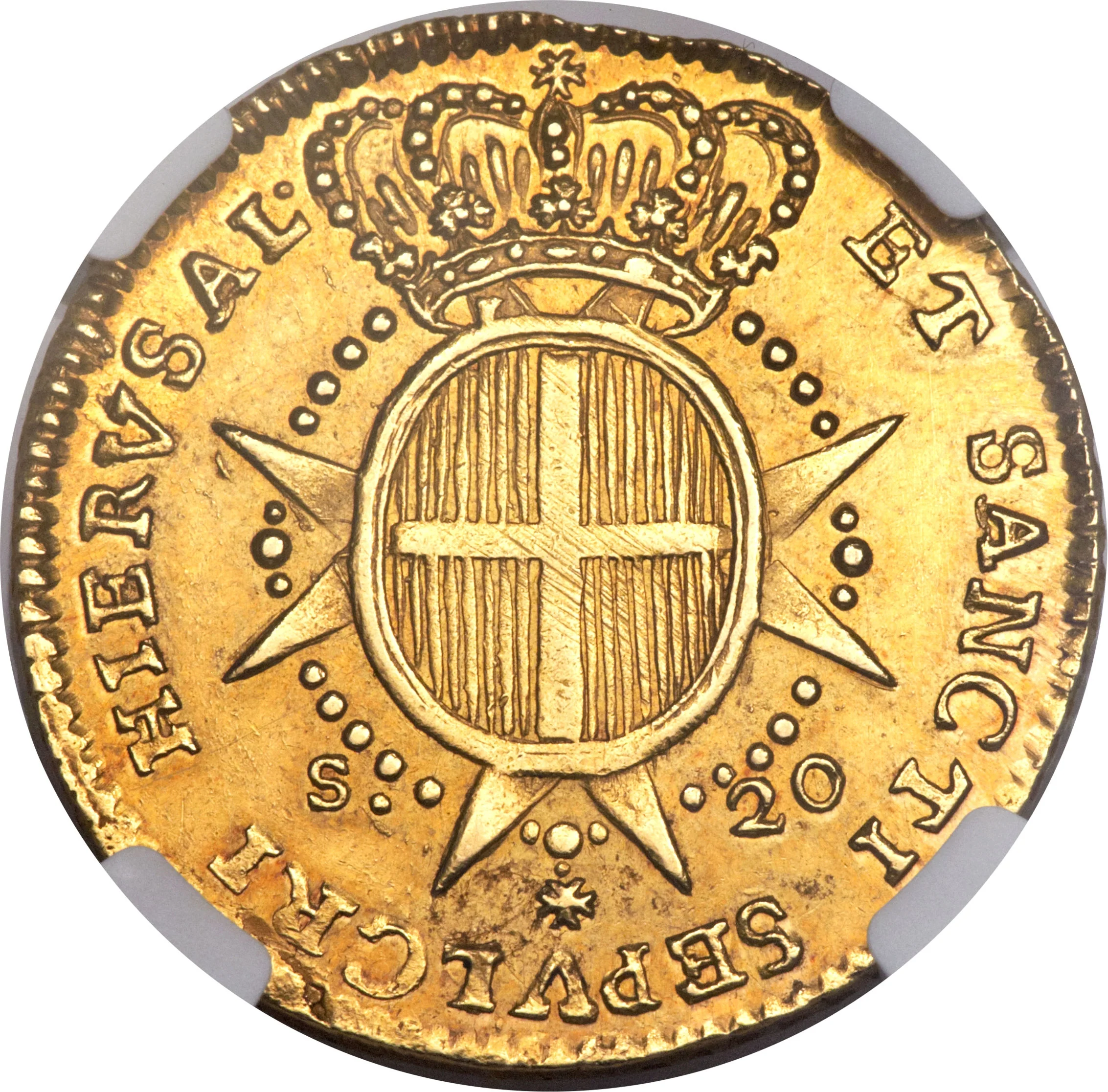
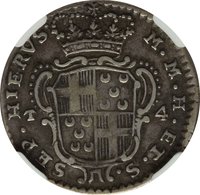
Reverse
Description:
Crowned beaded and spiked oval shield.
Inscription:
ET SANCTI SEPVLCRI HIERVSAL
S 20
S 20
Script: Latin
Edge
Mintings
| Year | Mint Mark | Mintage | Quality | Collection |
|---|---|---|---|---|
| 1765 | — | — | ||
| 1770 | — | — | ||
| 1772 | — | — |
Historical background
In 1765, Malta was under the rule of the Order of Saint John, a period marked by a complex and often chaotic monetary situation. The island functioned with a diverse mix of currencies circulating simultaneously. These included coins minted by the Order itself, such as the scudo and its subdivisions (tari and grani), alongside a plethora of foreign coins from major Mediterranean trading powers. Spanish pieces of eight, Venetian sequins, French écus, and Turkish piastres were all commonly used in commerce, their values fluctuating based on weight, metal content, and the volatile rates set by the Gran Corte della Castellania (the commercial court).
This multiplicity created significant problems for daily trade and the economy. The lack of a standardized, trusted local currency led to confusion, frequent disputes, and rampant clipping and counterfeiting of coins. The Order's own mint struggled with inconsistent bullion supplies and could not produce enough coinage to meet demand, further cementing reliance on foreign specie. Consequently, merchants and the public had to constantly refer to official "tariffs" published by the authorities, which attempted to fix the value of dozens of different coins in relation to the Maltese scudo.
Recognising the detrimental impact on commerce and public order, Grand Master Manuel Pinto da Fonseca took decisive action in the very year of 1765. He implemented a major monetary reform, introducing a new, unified coinage system. This reform standardised the Maltese scudo, clearly defining its subdivisions and their silver and copper content. The move was aimed at simplifying transactions, asserting the Order's sovereign authority, and stabilising the local economy by reducing dependence on the ebb and flow of foreign currencies, though the complete elimination of foreign coins from circulation remained a gradual process.
This multiplicity created significant problems for daily trade and the economy. The lack of a standardized, trusted local currency led to confusion, frequent disputes, and rampant clipping and counterfeiting of coins. The Order's own mint struggled with inconsistent bullion supplies and could not produce enough coinage to meet demand, further cementing reliance on foreign specie. Consequently, merchants and the public had to constantly refer to official "tariffs" published by the authorities, which attempted to fix the value of dozens of different coins in relation to the Maltese scudo.
Recognising the detrimental impact on commerce and public order, Grand Master Manuel Pinto da Fonseca took decisive action in the very year of 1765. He implemented a major monetary reform, introducing a new, unified coinage system. This reform standardised the Maltese scudo, clearly defining its subdivisions and their silver and copper content. The move was aimed at simplifying transactions, asserting the Order's sovereign authority, and stabilising the local economy by reducing dependence on the ebb and flow of foreign currencies, though the complete elimination of foreign coins from circulation remained a gradual process.
✨ Legendary