

8 escudos – Peru
Add to wishlist
Peru
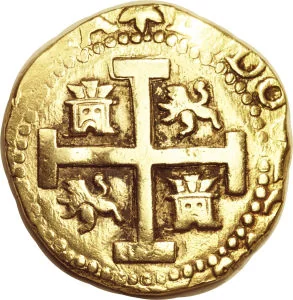
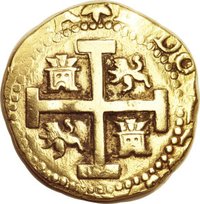
Obverse
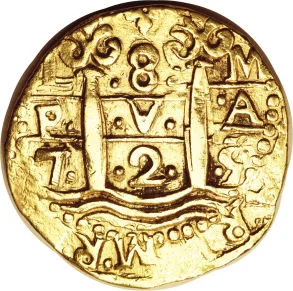
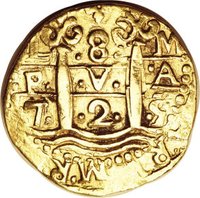
Reverse
Edge
Mintings
| Year | Mint Mark | Mintage | Quality | Collection |
|---|---|---|---|---|
| 1725 | — | — |
Historical background
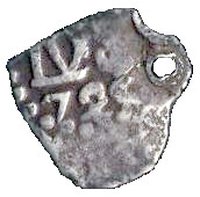
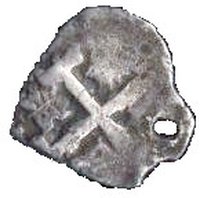
In 1725, the currency situation in the Viceroyalty of Peru was characterized by severe scarcity and administrative confusion, a direct legacy of the preceding decades. The primary unit of account was the silver peso (or "piece of eight"), minted at the famed Potosí mint, but its circulation was hampered by a chronic shortage of small-denomination coinage for daily transactions. This forced a reliance on crudely cut coin fragments (recortes) and a barter economy, especially outside major urban centers like Lima. Furthermore, the monetary system was still recovering from the widespread debasement scandal of the 1650s, where Potosí coins had been illegally alloyed with excess copper, damaging their reputation and causing regional trade partners to discount their value.
The Spanish Crown's mercantilist policies exacerbated the problem. A vast portion of the silver mined in the Andes was legally required to be shipped to Spain via the annual fleet, draining the colony of its primary monetary metal. Simultaneously, strict trade restrictions limited the inflow of goods and currency from other regions, stifling internal commerce. To manage local trade, colonial authorities and merchants often resorted to using non-metallic forms of money, including credit instruments, commodity money (like cacao beans in small-scale trade), and the widespread use of simple ledger accounting (cuentas de cargo y data) to settle debts without physical coin changing hands.
Administratively, the year 1725 fell within a period of attempted reform. The Bourbon monarchy, having recently ascended to the Spanish throne, was beginning to impose greater central control over its American colonies. Efforts were underway to improve the efficiency of tax collection and minting operations, though these would not culminate in major monetary overhaul until later decades with the establishment of new mint houses. Thus, the currency situation in 1725 was one of transition—caught between the lingering disorders of the 17th century and the impending, stricter Bourbon reforms that would seek to rationalize the Peruvian economy for the benefit of the metropolis.
The Spanish Crown's mercantilist policies exacerbated the problem. A vast portion of the silver mined in the Andes was legally required to be shipped to Spain via the annual fleet, draining the colony of its primary monetary metal. Simultaneously, strict trade restrictions limited the inflow of goods and currency from other regions, stifling internal commerce. To manage local trade, colonial authorities and merchants often resorted to using non-metallic forms of money, including credit instruments, commodity money (like cacao beans in small-scale trade), and the widespread use of simple ledger accounting (cuentas de cargo y data) to settle debts without physical coin changing hands.
Administratively, the year 1725 fell within a period of attempted reform. The Bourbon monarchy, having recently ascended to the Spanish throne, was beginning to impose greater central control over its American colonies. Efforts were underway to improve the efficiency of tax collection and minting operations, though these would not culminate in major monetary overhaul until later decades with the establishment of new mint houses. Thus, the currency situation in 1725 was one of transition—caught between the lingering disorders of the 17th century and the impending, stricter Bourbon reforms that would seek to rationalize the Peruvian economy for the benefit of the metropolis.
Series: 1725 Peru circulation coins

✨ Legendary