

1 farthing – England
Add to wishlist
United Kingdom
Context
Years: 1690–1692
Country: United Kingdom
Issuer: England
Ruler: William III
Currency:
(1158—1970)
Demonetization: 31 December 1869
Material
References
KM: #
Numista: #8481
Obverse
Description:
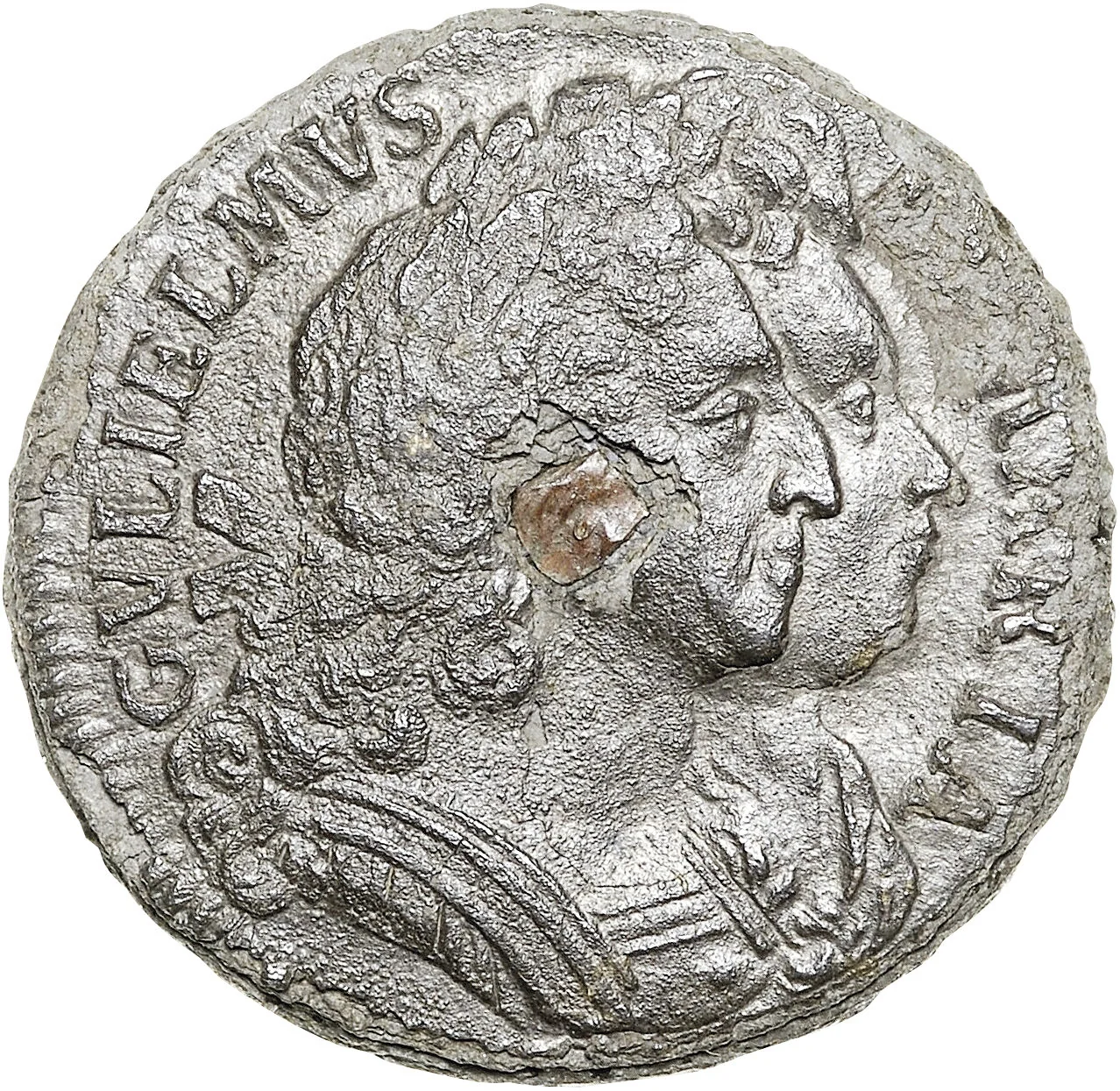
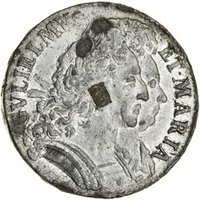
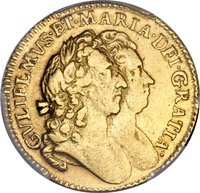
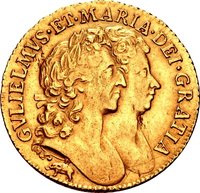
Conjoined busts of William and Mary in armor, facing right, with surrounding legend.
Inscription:
GVLIELMVS ET MARIA
Script: Latin
Reverse
Description:
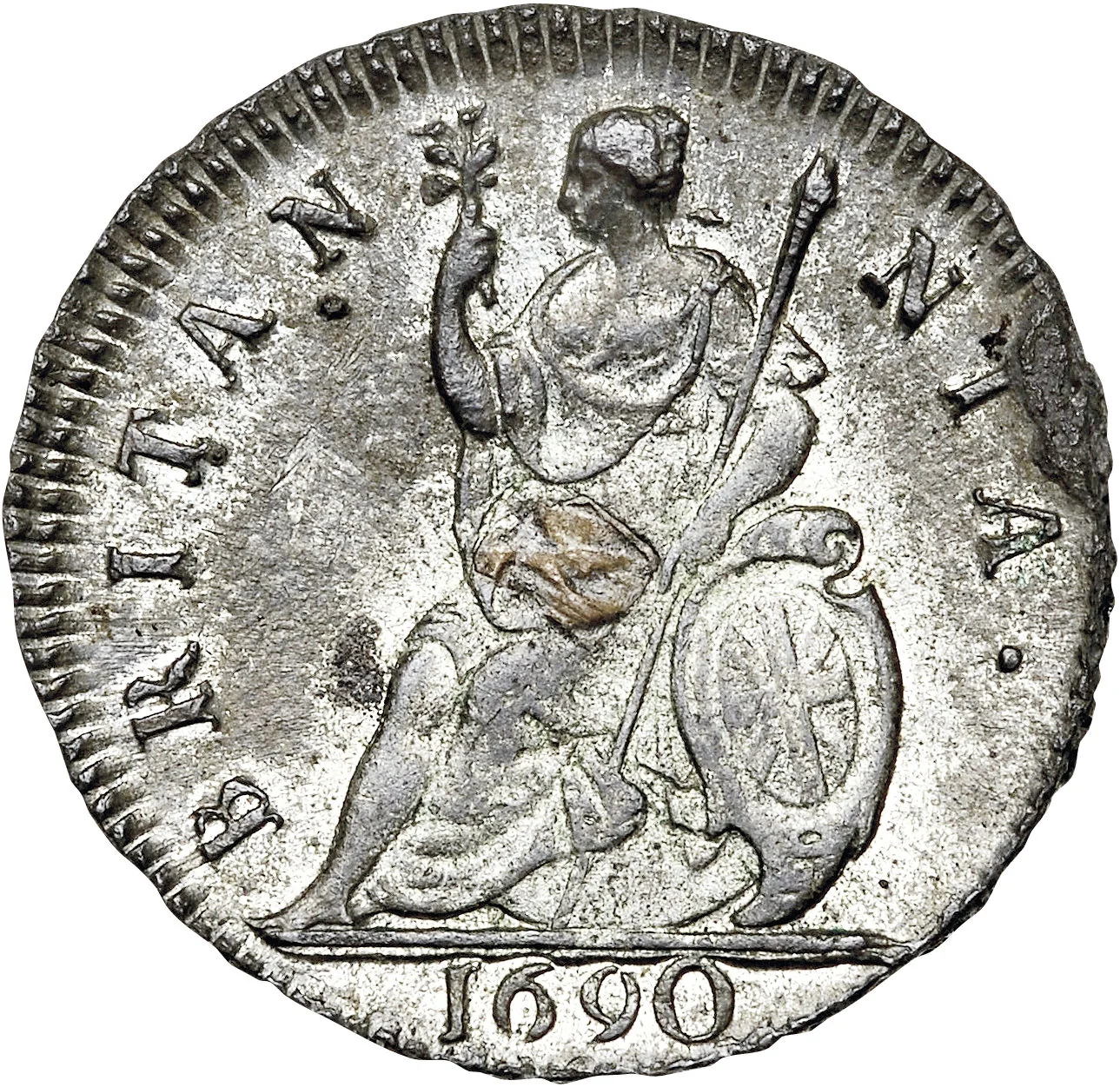
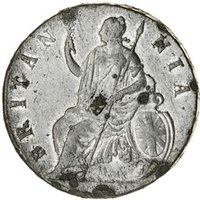
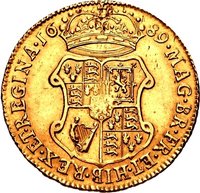
Britannia seated left, holding spear and olive branch, shield with Union flag beside, legend around, date below.
Inscription:
BRITANNIA.
1690
1690
Script: Latin
Edge
Plain
Mintings
| Year | Mint Mark | Mintage | Quality | Collection |
|---|---|---|---|---|
| 1690 | — | — | ||
| 1691 | — | — | ||
| 1692 | — | — |
Historical background
In 1690, England’s currency system was in a state of profound crisis, rooted in the financial demands of the Nine Years' War against France. The government, under King William III, was resorting to heavy borrowing and the creation of new forms of credit to fund the war effort, straining the monetary system. Compounding this was a severe problem with the physical coinage: silver coins, the backbone of the economy, were heavily worn, clipped, and counterfeited, causing their bullion value to exceed their face value. This led to Gresham’s Law in action, where "good" unclipped coins were hoarded or melted down for export, leaving only "bad" money in circulation, which merchants refused at full value. This debasement crippled everyday trade and government revenue collection, creating economic chaos and a loss of public confidence.
The core of the problem was the Mint’s inability to produce enough new, full-weight silver coins. The official mint price for silver was set too low compared to European markets, making it unprofitable for bullion dealers to bring their silver to the Tower Mint for coining. Furthermore, the ancient "hammered" coinage method was slow and vulnerable to clipping. The situation reached a nadir in the early 1690s, with the currency in such disarray that it threatened to undermine the war effort and destabilize the state itself, prompting urgent calls for a complete monetary overhaul.
This crisis set the stage for the Great Recoinage of 1696, a drastic and expensive state intervention. However, the immediate background of 1690 is also marked by the search for stopgap solutions and the rise of fiduciary money. The establishment of the Bank of England in 1694 was a direct response to this currency turmoil, created to manage government debt and issue banknotes—a new form of credit that would gradually reduce reliance on physical specie. Thus, the currency situation of 1690 was not merely a tale of degraded coin but a pivotal moment forcing England toward modern financial structures, laying the groundwork for a system based on public credit and managed money.
The core of the problem was the Mint’s inability to produce enough new, full-weight silver coins. The official mint price for silver was set too low compared to European markets, making it unprofitable for bullion dealers to bring their silver to the Tower Mint for coining. Furthermore, the ancient "hammered" coinage method was slow and vulnerable to clipping. The situation reached a nadir in the early 1690s, with the currency in such disarray that it threatened to undermine the war effort and destabilize the state itself, prompting urgent calls for a complete monetary overhaul.
This crisis set the stage for the Great Recoinage of 1696, a drastic and expensive state intervention. However, the immediate background of 1690 is also marked by the search for stopgap solutions and the rise of fiduciary money. The establishment of the Bank of England in 1694 was a direct response to this currency turmoil, created to manage government debt and issue banknotes—a new form of credit that would gradually reduce reliance on physical specie. Thus, the currency situation of 1690 was not merely a tale of degraded coin but a pivotal moment forcing England toward modern financial structures, laying the groundwork for a system based on public credit and managed money.
💎 Extremely Rare