

2 Zecchini – Malta
Malta
Context
Material
References
KM: #Click to copy to clipboard235
Numista: #83758
Value
Bullion value: $1103.12
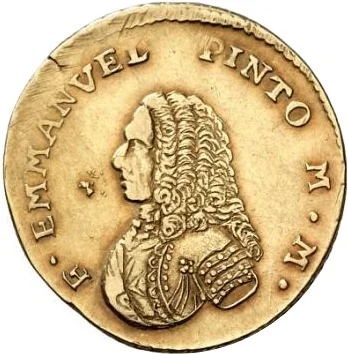
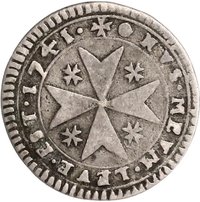
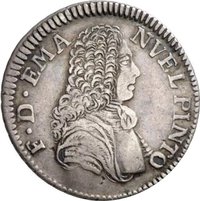
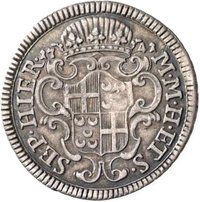
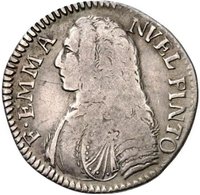
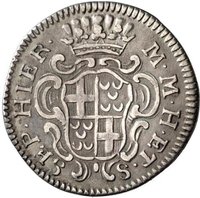
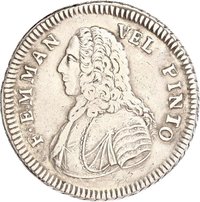
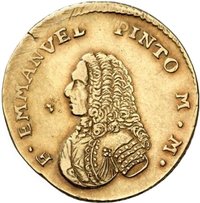
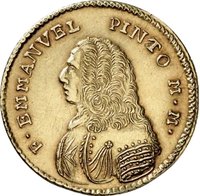
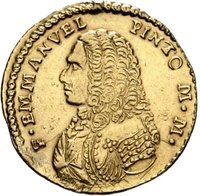
Obverse
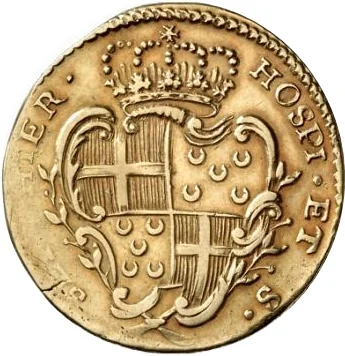
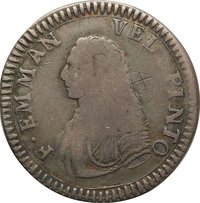
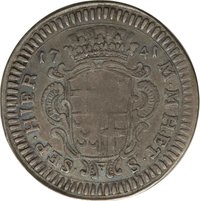
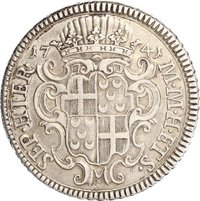
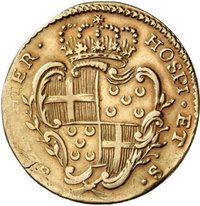
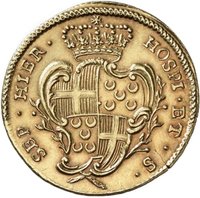
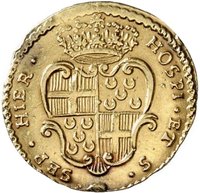
Reverse
Edge
Mintings
| Year | Mint Mark | Mintage | Quality | Collection |
|---|---|---|---|---|
| — | — | — |
Historical background
In 1741, Malta's currency situation was complex and challenging, reflecting its dual role as a strategic fortress under the Knights of Saint John and a vibrant, trade-dependent Mediterranean hub. The islands operated on a bimetallic system, but it was inundated with a vast array of foreign coins. Spanish pieces of eight, Venetian sequins, French louis d'or, and Turkish piastres all circulated freely alongside the Knights' own limited coinage. This proliferation created constant confusion in commerce, as merchants and officials had to navigate fluctuating exchange rates and the varying intrinsic silver or gold content of each foreign issue.
The primary problem was a severe shortage of small-denomination coinage for everyday transactions. The Knights minted copper grani and tari, but in insufficient quantities, leading to widespread use of cut fractions of larger silver coins and private tokens issued by merchants. This scarcity crippled the local market and caused hardship for the common population. Furthermore, the Knights' own fiscal policies exacerbated the issue; they often manipulated the official valuation of coins through proclamations to try to retain precious metal specie on the island, but these attempts were frequently undermined by market forces and the arbitrage of savvy international traders.
Consequently, the currency chaos of 1741 was a point of economic weakness and administrative frustration for the Order. It highlighted the tension between Malta's international mercantile character and the sovereign authority's struggle to impose a stable and unified monetary standard. This unstable environment would persist until more substantive reforms were attempted later in the 18th century, aiming to streamline the coinage in circulation and assert greater control over the island's monetary economy.
The primary problem was a severe shortage of small-denomination coinage for everyday transactions. The Knights minted copper grani and tari, but in insufficient quantities, leading to widespread use of cut fractions of larger silver coins and private tokens issued by merchants. This scarcity crippled the local market and caused hardship for the common population. Furthermore, the Knights' own fiscal policies exacerbated the issue; they often manipulated the official valuation of coins through proclamations to try to retain precious metal specie on the island, but these attempts were frequently undermined by market forces and the arbitrage of savvy international traders.
Consequently, the currency chaos of 1741 was a point of economic weakness and administrative frustration for the Order. It highlighted the tension between Malta's international mercantile character and the sovereign authority's struggle to impose a stable and unified monetary standard. This unstable environment would persist until more substantive reforms were attempted later in the 18th century, aiming to streamline the coinage in circulation and assert greater control over the island's monetary economy.
Series: 1741 Malta circulation coins
✨ Legendary