

3 Kreuzer – Austrian Empire
Austria
Context
Years: 1637–1658
Country: Austria 
Issuer: Austrian Empire
Ruler: Ferdinand III
Currency:
(1520—1754)
Demonetized: Yes
Material
References
KM: #Click to copy to clipboard837
Numista: #83555
Value
Bullion value: $4.63
Obverse
Description:
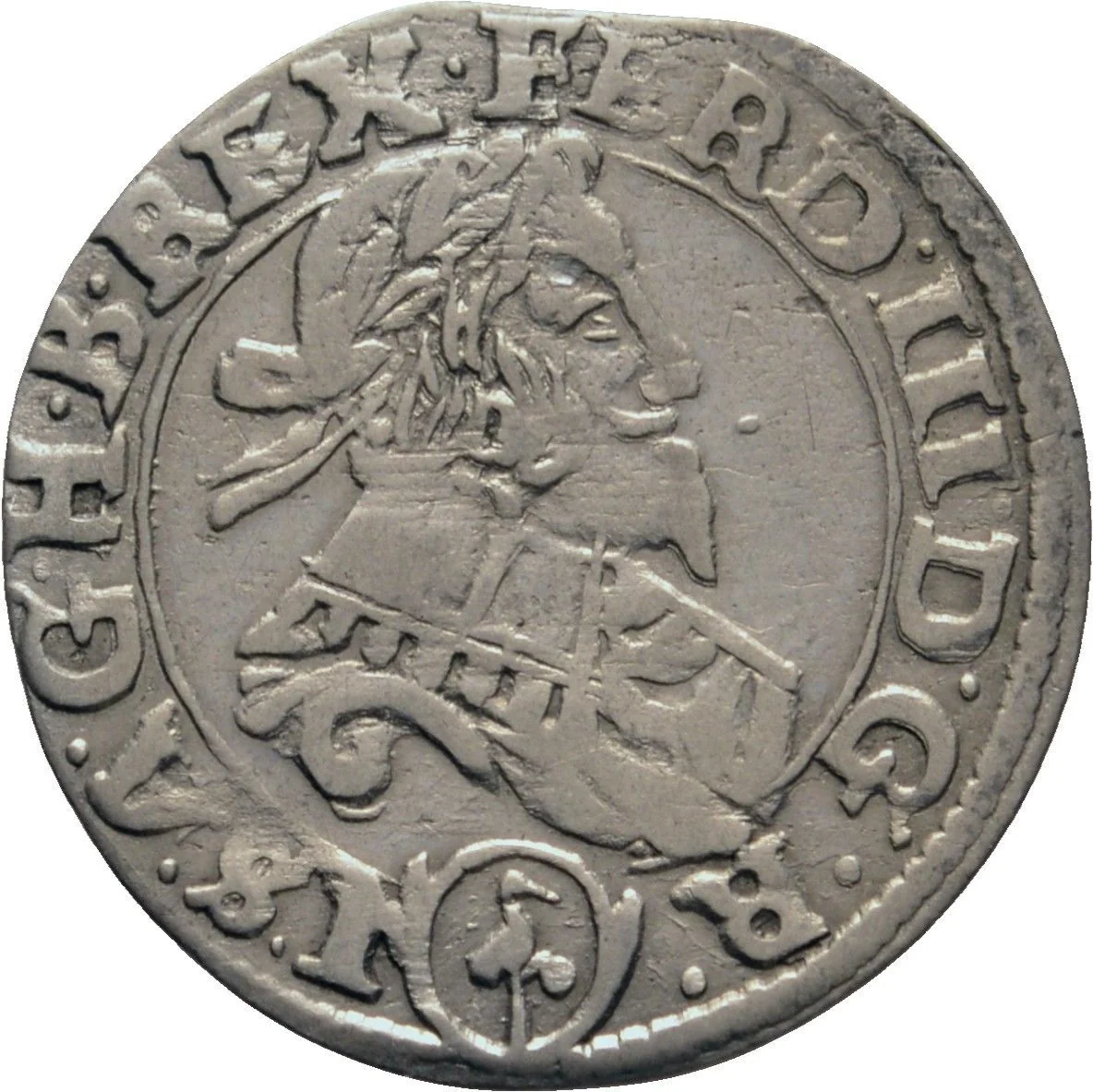
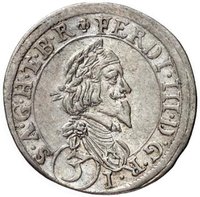
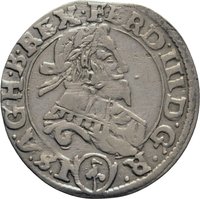
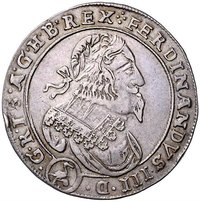
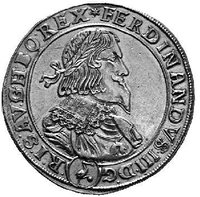
Laureate portrait right in circle. Mint mark below legend.
Inscription:
FERD III D G R ( ) I S A G H B REX.
Script: Latin
Reverse
Description:
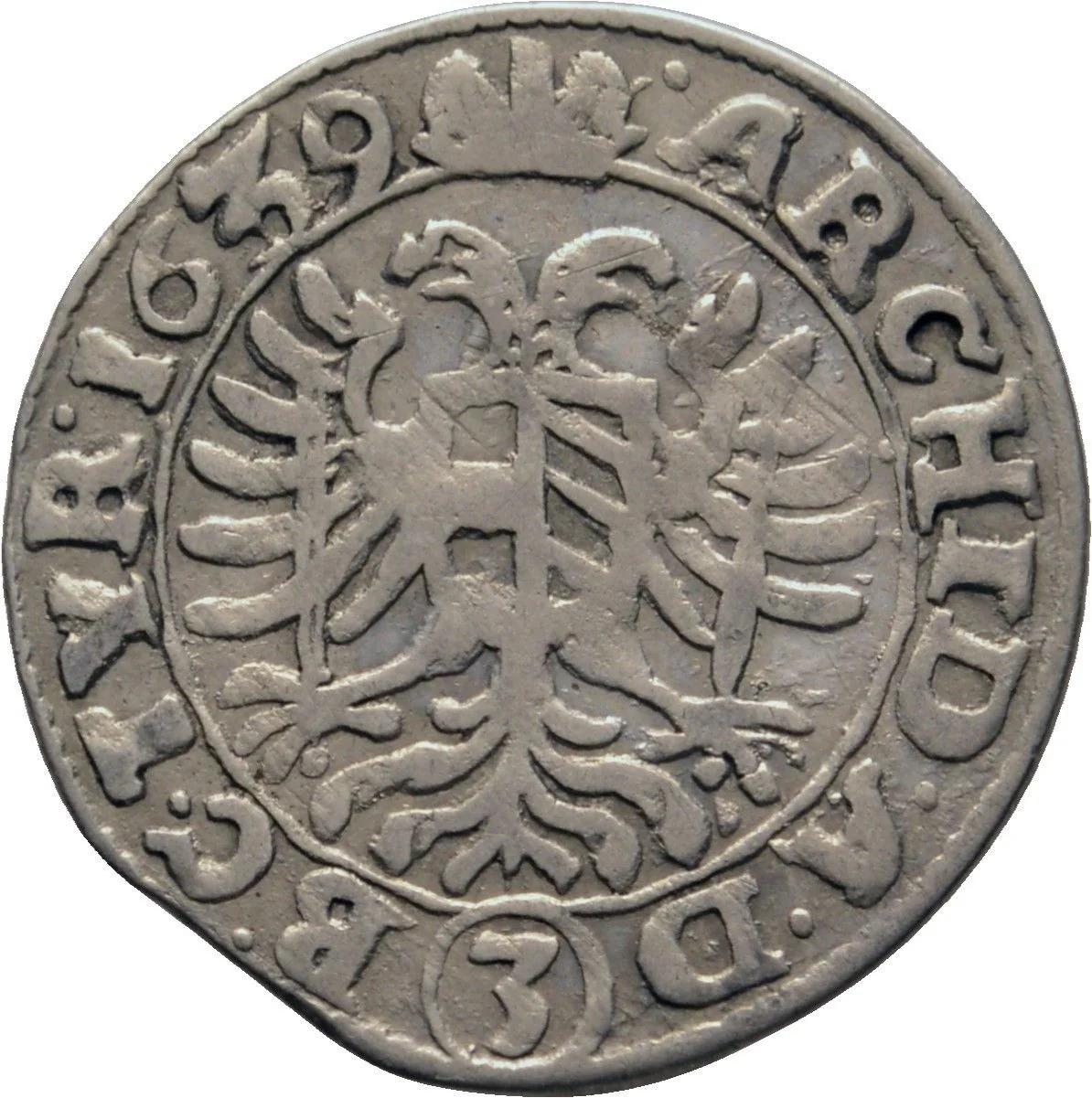
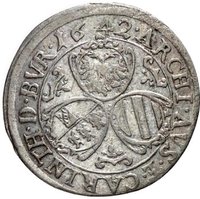
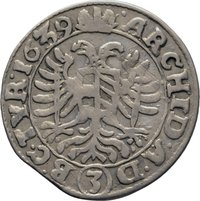
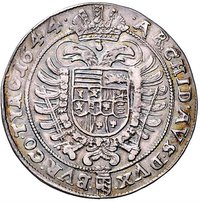
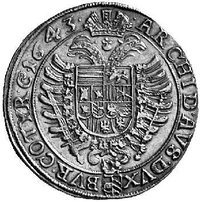
Imperial double-headed eagle with Austrian and Burgundian arms on breast within circle. Value in legend below.
Inscription:
ARCHID A D (3) B C TYR date
Script: Latin
Edge
Mints
| Name | Mark |
|---|---|
| Münze Österreich | — |
Mintings
| Year | Mint Mark | Mintage | Quality | Collection |
|---|---|---|---|---|
| 1637 | — | — | ||
| 1638 | — | — | ||
| 1639 | — | — | ||
| 1640 | — | — | ||
| 1641 | — | — | ||
| 1642 | — | — | ||
| 1643 | — | — | ||
| 1644 | — | — | ||
| 1645 | — | — | ||
| 1646 | — | — | ||
| 1647 | — | — | ||
| 1651 | — | — | ||
| 1657 | — | — | ||
| 1658 | — | — |
Historical background
In 1637, the Habsburg Monarchy, often referred to as the Austrian Empire, was embroiled in the devastating Thirty Years' War (1618-1648). The financial demands of maintaining vast mercenary armies and funding the Imperial war effort against Protestant states and their allies were catastrophic for the imperial treasury. Emperor Ferdinand II and his successor Ferdinand III resorted to extreme fiscal measures, including heavy taxation, confiscations, and the systematic debasement of coinage, which was the primary method of generating immediate revenue to stave off bankruptcy.
The currency situation was therefore one of profound crisis and complexity. The official currency was based on the silver Guldiner (later the Thaler), but the state's urgent need for cash led to the minting of vastly inferior coins, particularly the small Kreuzer denominations used by common people. Mints operated across the hereditary lands (like Austria, Bohemia, and Hungary) and were often leased to private "contractors" who profited by increasing the alloy of copper to silver, flooding the market with lightweight, poor-quality money. This resulted in severe inflation, a collapse in public trust, and a chaotic monetary environment where the real value of coins fluctuated wildly and was often determined by weight and metal content rather than face value.
This debasement had dire economic and social consequences. Peasants and soldiers paid in debased coin found their purchasing power evaporated, leading to widespread hardship and social unrest. Furthermore, the patchwork of the Habsburg lands meant that alongside these imperial issues, older regional currencies and foreign coins, especially stable Dutch or Saxon thalers, remained in circulation and were hoarded, creating a dual system where "bad money drove out the good." The monetary disorder of 1637 was not an isolated issue but a symptomatic crisis of the war-weary Habsburg state, reflecting its strained resources and contributing to the general economic exhaustion of Central Europe.
The currency situation was therefore one of profound crisis and complexity. The official currency was based on the silver Guldiner (later the Thaler), but the state's urgent need for cash led to the minting of vastly inferior coins, particularly the small Kreuzer denominations used by common people. Mints operated across the hereditary lands (like Austria, Bohemia, and Hungary) and were often leased to private "contractors" who profited by increasing the alloy of copper to silver, flooding the market with lightweight, poor-quality money. This resulted in severe inflation, a collapse in public trust, and a chaotic monetary environment where the real value of coins fluctuated wildly and was often determined by weight and metal content rather than face value.
This debasement had dire economic and social consequences. Peasants and soldiers paid in debased coin found their purchasing power evaporated, leading to widespread hardship and social unrest. Furthermore, the patchwork of the Habsburg lands meant that alongside these imperial issues, older regional currencies and foreign coins, especially stable Dutch or Saxon thalers, remained in circulation and were hoarded, creating a dual system where "bad money drove out the good." The monetary disorder of 1637 was not an isolated issue but a symptomatic crisis of the war-weary Habsburg state, reflecting its strained resources and contributing to the general economic exhaustion of Central Europe.

💎 Very Rare