

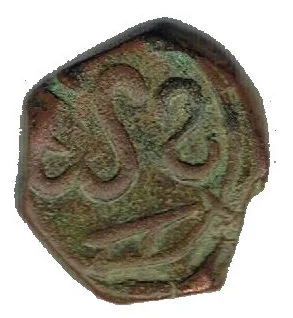
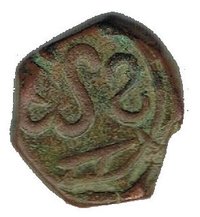
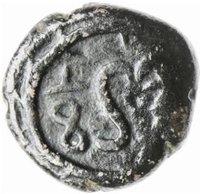
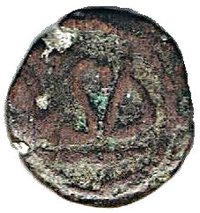
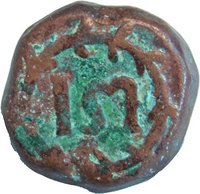
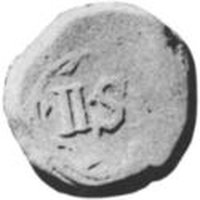
Obverse
Description:
Denomination
Inscription:
1/2 S T
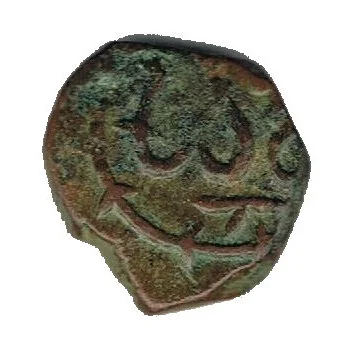
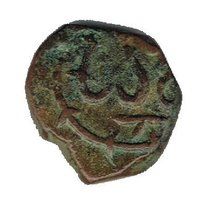
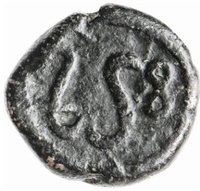
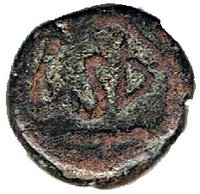
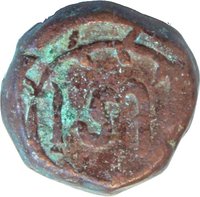
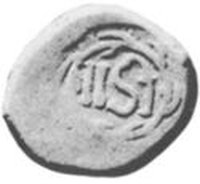
Reverse
Description:
Denomination
Inscription:
1/2 S T
Edge
Plain
Mintings
| Year | Mint Mark | Mintage | Quality | Collection |
|---|---|---|---|---|
| 1660 | — | — |
Historical background
In 1660, Ceylon (modern Sri Lanka) was a fractured and contested economic space, dominated by European colonial powers but not yet under their complete control. The island's monetary system was a complex tapestry of indigenous, regional, and introduced currencies. The Kingdom of Kandy, which held the mountainous interior, operated on a traditional economy using gold kahavanu coins and silver panams for high-value transactions, while barter and cowrie shells facilitated local trade. Along the coasts, however, the Portuguese, who had established forts and trading posts since the 16th century, were the dominant force, circulating their own silver tanga and reis coins.
This Portuguese dominance was, however, being violently challenged. The Dutch East India Company (VOC), having formed an alliance with the Kingdom of Kandy, was in the midst of a prolonged military campaign to expel the Portuguese from the island's coastal regions. By 1660, the Dutch had captured key territories including Colombo (1656) and Jaffna (1658), but the process of consolidating their economic control was ongoing. Consequently, in the captured territories, Portuguese coinage remained in widespread circulation alongside the incoming Dutch silver leeuendaalder and copper doit, creating a chaotic and multi-currency environment.
The fundamental driver of this monetary complexity was Ceylon's position in the global spice trade, particularly for cinnamon. Both European powers sought to monetize the local economy to facilitate the collection of taxes and the purchase of spices, often compelling cultivators to pay in cash rather than kind. The year 1660 thus represents a pivotal moment of transition: the Portuguese system was in decay, the Dutch system was not yet fully imposed, and the Kandyan kingdom maintained its separate monetary traditions, leading to a period of significant instability and variety in the island's currency situation.
This Portuguese dominance was, however, being violently challenged. The Dutch East India Company (VOC), having formed an alliance with the Kingdom of Kandy, was in the midst of a prolonged military campaign to expel the Portuguese from the island's coastal regions. By 1660, the Dutch had captured key territories including Colombo (1656) and Jaffna (1658), but the process of consolidating their economic control was ongoing. Consequently, in the captured territories, Portuguese coinage remained in widespread circulation alongside the incoming Dutch silver leeuendaalder and copper doit, creating a chaotic and multi-currency environment.
The fundamental driver of this monetary complexity was Ceylon's position in the global spice trade, particularly for cinnamon. Both European powers sought to monetize the local economy to facilitate the collection of taxes and the purchase of spices, often compelling cultivators to pay in cash rather than kind. The year 1660 thus represents a pivotal moment of transition: the Portuguese system was in decay, the Dutch system was not yet fully imposed, and the Kandyan kingdom maintained its separate monetary traditions, leading to a period of significant instability and variety in the island's currency situation.
Series: 1660 Ceylon circulation coins
💎 Extremely Rare