

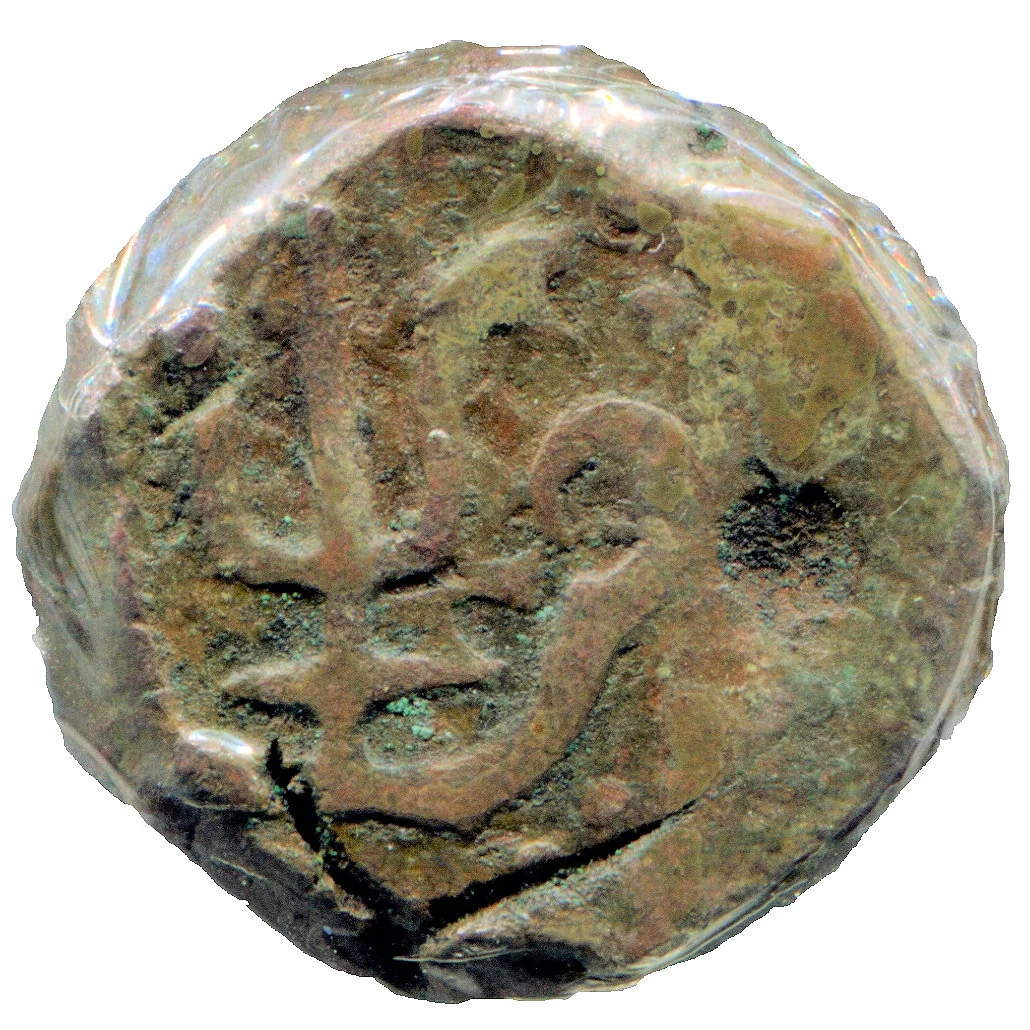
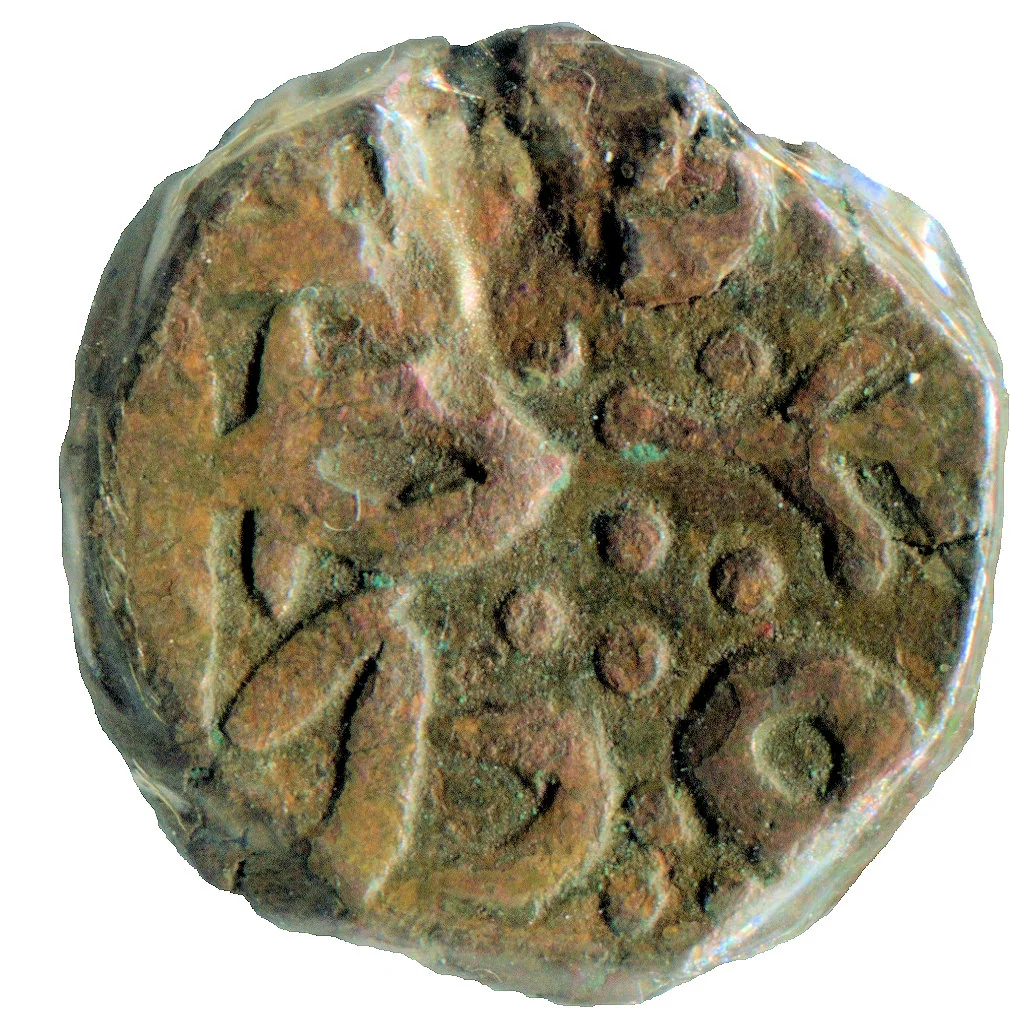
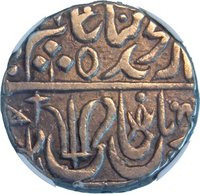
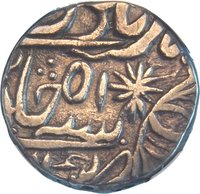
1 Paisa – Maratha Empire
India

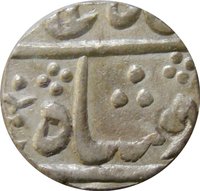
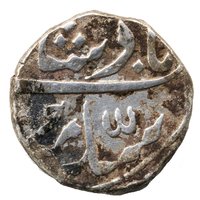
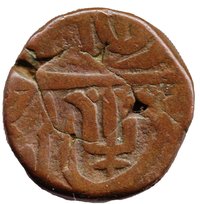
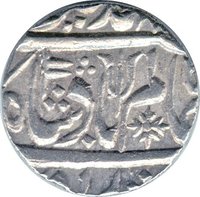
Obverse
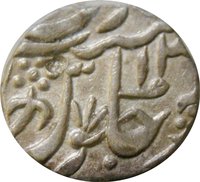
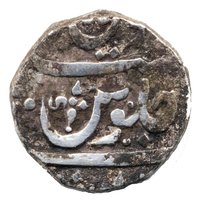
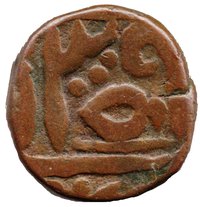
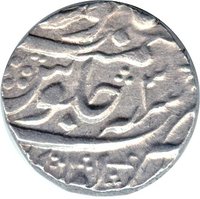
Reverse
Edge
Mintings
| Year | Mint Mark | Mintage | Quality | Collection |
|---|---|---|---|---|
| — | — | — |
Historical background
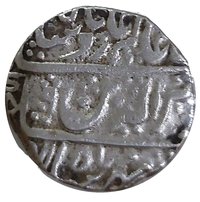
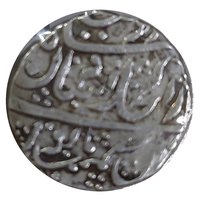
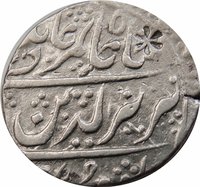
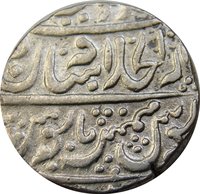
By 1759, the Maratha Empire's currency system reflected its vast, decentralized power and the lingering influence of the Mughal framework it had superseded. The primary circulating coins were the silver rupee and the copper paisa, with the gold mohur used for larger state transactions and hoarding. However, there was no single, standardized Maratha coinage. Instead, mints (taksals) across the confederacy—in Pune, Satara, Nagpur, and major regional centres—struck coins in the name of the titular Chhatrapati, but often under the control of local sardars or ministers like the Peshwa. These rupees largely followed the weight and fineness of the ubiquitous Mughal Rupee, particularly the Sicca type, to ensure wide acceptance in trade across the subcontinent.
This period was marked by significant financial strain due to constant military campaigning. The Third Battle of Panipat (1761) loomed just two years away, and the empire was expending enormous resources on northern expeditions. This drained the treasury of precious metals, leading to sporadic debasement of coinage at some mints to meet wartime expenses. Furthermore, the system was complicated by the circulation of older Mughal coins, rupees from other Indian powers, and even European currencies from coastal trade. The Peshwa's administration in Pune attempted to exert control by regulating minting rights and demanding tribute in silver bullion, but its authority over the confederacy's currency remained inconsistent.
Consequently, the currency situation in 1759 was one of functional but fragile heterogeneity. Trade and revenue collection continued, relying on the established reputation of the rupee as a unit of account, but the system was vulnerable to the pressures of war and political fragmentation. The lack of centralized numismatic authority would become a growing economic weakness, especially after the devastating defeat at Panipat, which would further strain the empire's financial cohesion and accelerate the shift of fiscal power to the individual Maratha chiefs and the emerging British East India Company.
This period was marked by significant financial strain due to constant military campaigning. The Third Battle of Panipat (1761) loomed just two years away, and the empire was expending enormous resources on northern expeditions. This drained the treasury of precious metals, leading to sporadic debasement of coinage at some mints to meet wartime expenses. Furthermore, the system was complicated by the circulation of older Mughal coins, rupees from other Indian powers, and even European currencies from coastal trade. The Peshwa's administration in Pune attempted to exert control by regulating minting rights and demanding tribute in silver bullion, but its authority over the confederacy's currency remained inconsistent.
Consequently, the currency situation in 1759 was one of functional but fragile heterogeneity. Trade and revenue collection continued, relying on the established reputation of the rupee as a unit of account, but the system was vulnerable to the pressures of war and political fragmentation. The lack of centralized numismatic authority would become a growing economic weakness, especially after the devastating defeat at Panipat, which would further strain the empire's financial cohesion and accelerate the shift of fiscal power to the individual Maratha chiefs and the emerging British East India Company.
✨ Legendary