

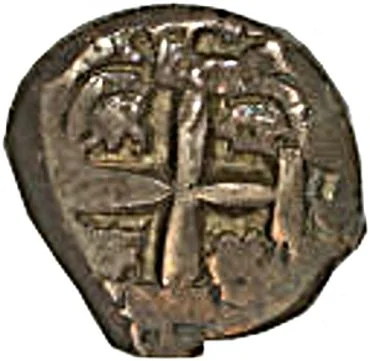
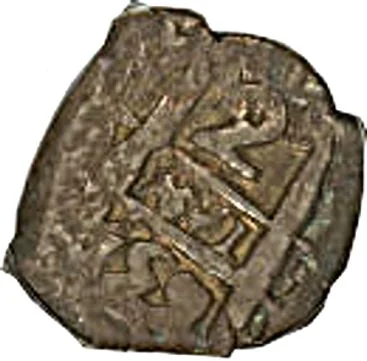
2 reales – Bolivia
Add to wishlist
Bolivia
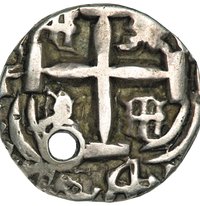
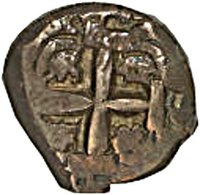
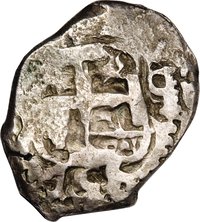
Obverse
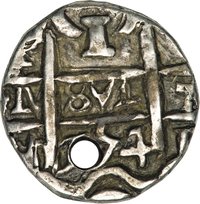
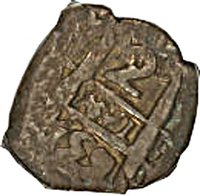
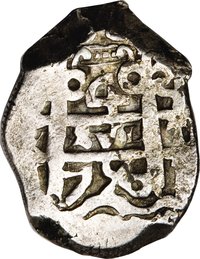
Reverse
Edge
Irregular
Mintings
| Year | Mint Mark | Mintage | Quality | Collection |
|---|---|---|---|---|
| 1747 | PQ | — | ||
| 1748 | PQ | — | ||
| 1749 | PQ | — | ||
| 1750 | PE | — | ||
| 1750 | PE/Q | — | ||
| 1750 | PQ | — | ||
| 1750 | PQ/E | — | ||
| 1751 | PE | — | ||
| 1751 | PQ | — | ||
| 1751 | PQ/E | — | ||
| 1752 | PQ | — | ||
| 1753 | PC | — | ||
| 1753 | PE | — | ||
| 1753 | PQ | — | ||
| 1754 | PC | — | ||
| 1754 | PQ | — | ||
| 1755 | PQ | — | ||
| 1756 | PQ | — | ||
| 1757 | PQ | — | ||
| 1758 | PM | — | ||
| 1758 | PQ | — | ||
| 1759 | PH | — | ||
| 1759 | PQ | — | ||
| 1760 | PQ | — |
Historical background
In 1747, the currency situation in the Province of Charcas (modern Bolivia) within the Spanish Viceroyalty of Peru was defined by a severe shortage of official coinage and a reliance on a chaotic, multi-tiered monetary system. The primary source of silver, the legendary Cerro Rico of Potosí, continued to produce vast wealth, but its minted output was strictly controlled and largely exported to Spain or used for regional trade in larger centers. This left the local economy of Alto Peru chronically starved of legal tender, especially low-denomination coins needed for everyday transactions in markets and wages.
To fill this void, a widespread and officially tolerated system of moneda feble (weak money) or macuquina circulated. This consisted of crudely chopped and irregularly shaped pieces of silver, often cut from bars, which were valued by their weight and rough silver content. Alongside this, a vast quantity of counterfeit coins, known as calanchinas, flooded the region, further eroding trust. The Spanish crown’s attempts to suppress this illicit currency through periodic recoinage campaigns were only partially successful and often disruptive, as they invalidated the existing macuquina without providing sufficient replacement.
Consequently, the economy operated on a complex and unstable credit system. Merchants, hacendados (landowners), and even religious institutions issued their own credit notes and tokens, while barter remained common, especially in indigenous communities. This monetary fragmentation reflected the broader colonial reality: while Bolivia’s silver was the engine of the Spanish empire’s wealth, the region itself suffered from a dysfunctional currency system that hindered internal commerce and reinforced social divisions based on access to reliable money.
To fill this void, a widespread and officially tolerated system of moneda feble (weak money) or macuquina circulated. This consisted of crudely chopped and irregularly shaped pieces of silver, often cut from bars, which were valued by their weight and rough silver content. Alongside this, a vast quantity of counterfeit coins, known as calanchinas, flooded the region, further eroding trust. The Spanish crown’s attempts to suppress this illicit currency through periodic recoinage campaigns were only partially successful and often disruptive, as they invalidated the existing macuquina without providing sufficient replacement.
Consequently, the economy operated on a complex and unstable credit system. Merchants, hacendados (landowners), and even religious institutions issued their own credit notes and tokens, while barter remained common, especially in indigenous communities. This monetary fragmentation reflected the broader colonial reality: while Bolivia’s silver was the engine of the Spanish empire’s wealth, the region itself suffered from a dysfunctional currency system that hindered internal commerce and reinforced social divisions based on access to reliable money.
Series: 1747 Bolivia circulation coins
💎 Very Rare