

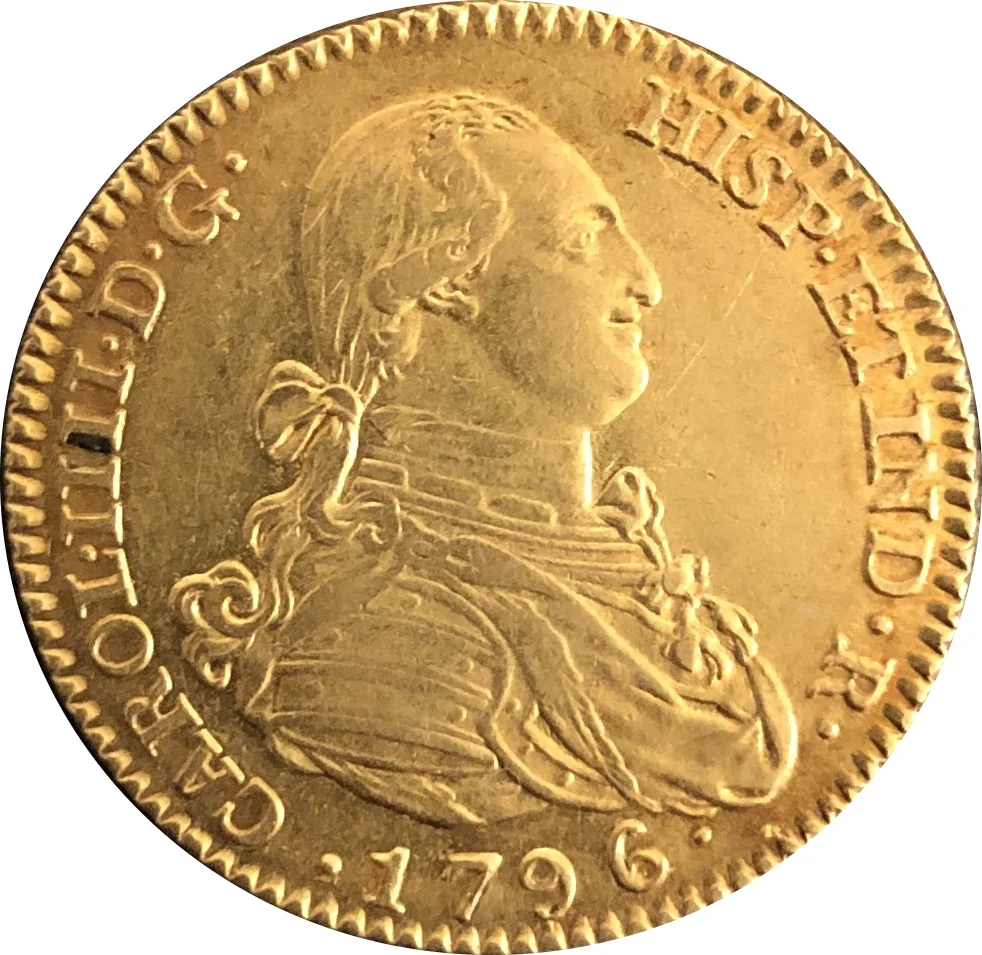
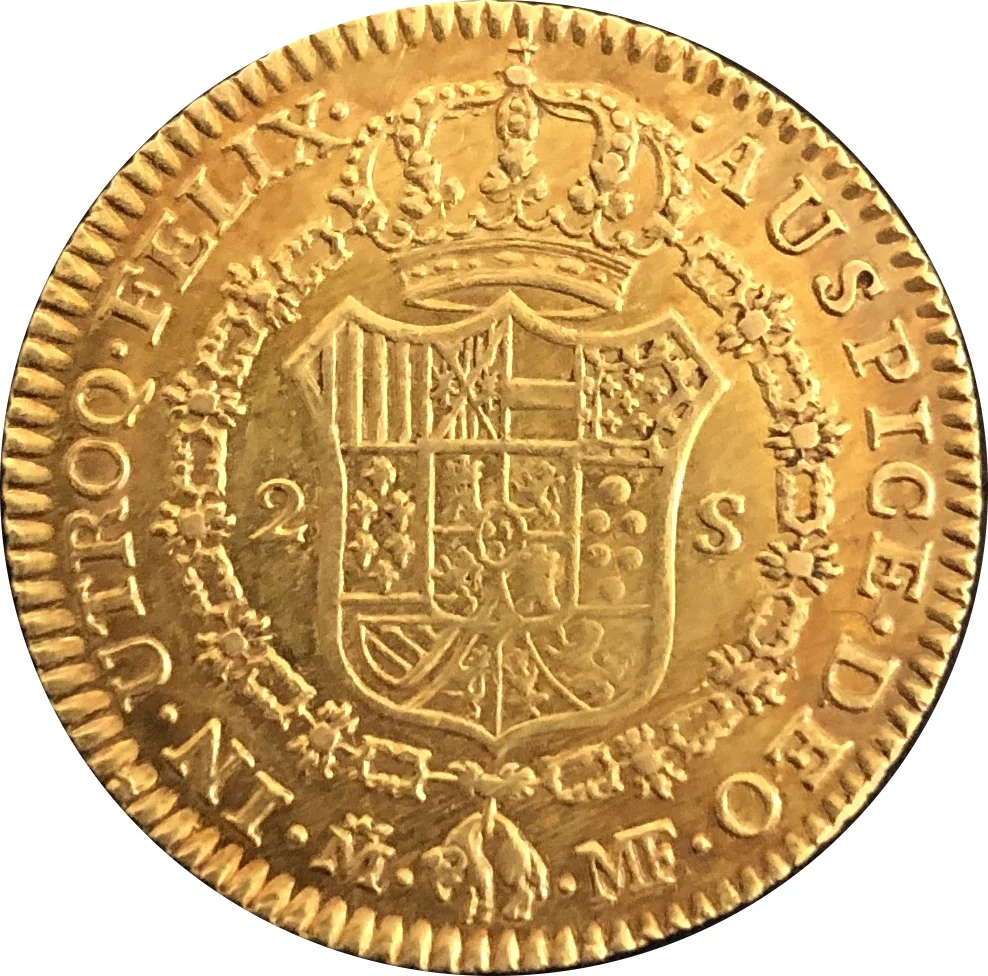
2 escudos – Bolivia
Add to wishlist
Bolivia
Context
Years: 1791–1808
Issuer: Bolivia
Ruler: Charles IV
Currency:
(1574—1825)
Demonetized: Yes
Total mintage: 3,472
Material
References
KM: #
Numista: #82024
Value
Bullion value: $903.11
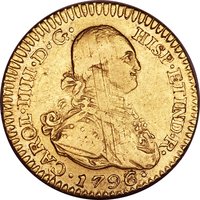
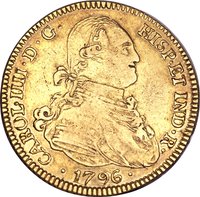
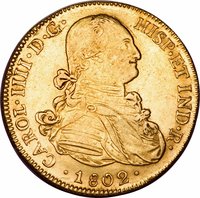
Obverse
Description:
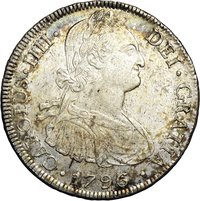
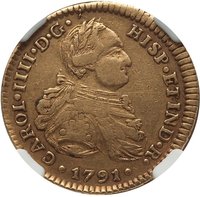
Carlos IV bust
Inscription:
· CAROLUS · IIII · D · G · HISP · ET IND · R ·
Script: Latin
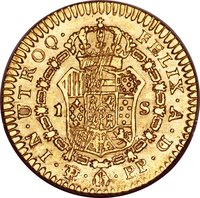
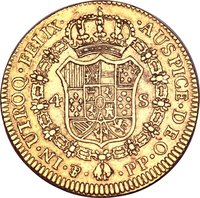
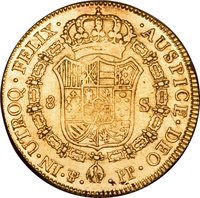
Reverse
Description:
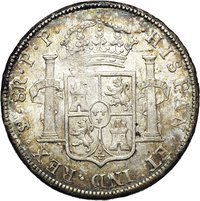
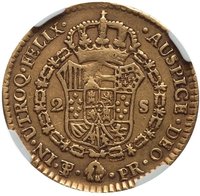
Heraldic emblem
Script: Latin
Edge
Mints
| Name | Mark |
|---|---|
| Potosi | — |
Mintings
| Year | Mint Mark | Mintage | Quality | Collection |
|---|---|---|---|---|
| 1791 | PR | — | ||
| 1793 | PR | — | ||
| 1794 | PR | — | ||
| 1795 | PP | — | ||
| 1796 | PP | — | ||
| 1797 | PP | — | ||
| 1798 | PP | — | ||
| 1799 | PP | — | ||
| 1800 | PP | — | ||
| 1801 | PTS | 545 | ||
| 1802 | PTS | 273 | ||
| 1803 | PTS | 273 | ||
| 1804 | PTS | 204 | ||
| 1805 | PTS | 306 | ||
| 1806 | PTS | 476 | ||
| 1807 | PTS | 748 | ||
| 1808 | PTS | 647 |
Historical background
In 1791, Bolivia, then known as the Viceroyalty of Río de la Plata and home to the legendary silver mountain of Potosí, was grappling with a complex and strained currency system. The primary economic driver was silver, mined by forced Indigenous labor under the mita system, which was minted into coins at the Potosí Mint. However, the colony suffered from a severe shortage of small-denomination currency for daily transactions. The famous peso de ocho (piece of eight) was too valuable for common use, leading to widespread reliance on awkward barter, clipped coins, and a proliferation of crude, unofficial tokens issued by merchants and hacienda owners.
This scarcity was exacerbated by Spain's mercantilist policies, which drained vast quantities of silver bullion and high-value coinage to the metropolis, leaving the local economy starved of circulating medium. Furthermore, the Potosí Mint itself was still recovering from a massive scandal decades earlier involving the debasement of coinage with excess copper, which had severely damaged the credibility of its currency throughout the Atlantic world. Royal authorities were attempting to restore integrity and increase production, but the system remained inefficient and failed to meet the needs of the growing internal market.
Consequently, the monetary landscape was one of official scarcity and local improvisation. The Spanish Crown's focus on extracting wealth, combined with a lack of investment in a functional fractional currency system, created significant economic friction. This environment hindered local commerce and highlighted the growing disconnect between the colony's immense mineral wealth and the everyday economic hardships faced by its population, a tension that would contribute to the ferment for independence in the coming decades.
This scarcity was exacerbated by Spain's mercantilist policies, which drained vast quantities of silver bullion and high-value coinage to the metropolis, leaving the local economy starved of circulating medium. Furthermore, the Potosí Mint itself was still recovering from a massive scandal decades earlier involving the debasement of coinage with excess copper, which had severely damaged the credibility of its currency throughout the Atlantic world. Royal authorities were attempting to restore integrity and increase production, but the system remained inefficient and failed to meet the needs of the growing internal market.
Consequently, the monetary landscape was one of official scarcity and local improvisation. The Spanish Crown's focus on extracting wealth, combined with a lack of investment in a functional fractional currency system, created significant economic friction. This environment hindered local commerce and highlighted the growing disconnect between the colony's immense mineral wealth and the everyday economic hardships faced by its population, a tension that would contribute to the ferment for independence in the coming decades.
Series: 1791 Bolivia circulation coins

✨ Legendary