

1 Rupee – Bengal Presidency
India

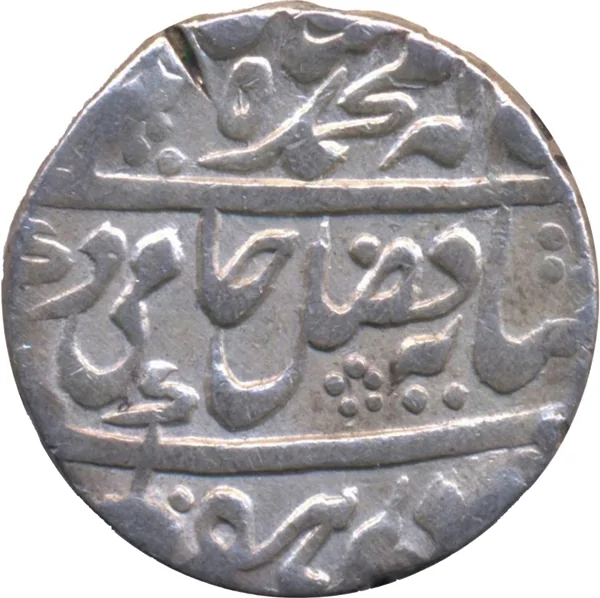
Obverse
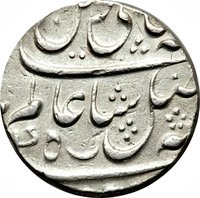
Description:
Coins struck across seven realms in the shadow of Emperor Shah Alam II, defender of faith.
Reverse
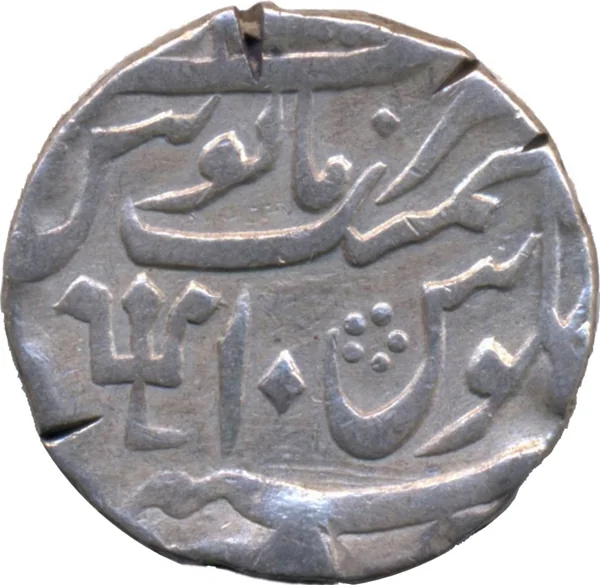
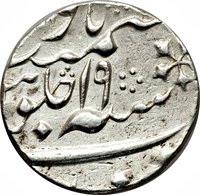
Description:
Zarb Azimabad, 10 Julus Maimanat Manus (RY)
Inscription:
١٠
Edge
Plain
Mints
| Name | Mark |
|---|---|
| Azimabad | — |
Mintings
| Year | Mint Mark | Mintage | Quality | Collection |
|---|---|---|---|---|
| 1766 | — | — | ||
| 1767 | — | — | ||
| 1768 | — | — | ||
| 1769 | — | — | ||
| 1770 | — | — |
Historical background
In 1766, the Bengal Presidency under the East India Company was grappling with a severe and multifaceted currency crisis. The root cause was the Company's own extractive fiscal policies, particularly the massive drain of wealth from Bengal to Britain in the form of silver bullion and specie (coin). This "Great Drain" stripped the region of its primary metallic base for currency, creating a critical shortage of circulating silver rupees, the standard medium for revenue collection and large-scale trade. The problem was exacerbated by the Company's insistence on collecting land revenue (the diwani, acquired in 1765) almost exclusively in silver, further sucking coinage out of the rural economy and into the Company's treasury in Calcutta.
The scarcity of official, full-weight Sicca rupees led to widespread monetary chaos. A profusion of debased, imitation, and older Mughal coins circulated at varying and unstable discount rates, causing confusion and facilitating fraud. Merchants and peasants alike struggled with unreliable valuations, which disrupted commerce and agriculture. Furthermore, the Company's own attempts to mint new coins at its Calcutta and Murshidabad mints were insufficient to meet demand and were undermined by persistent problems with standardization and the illicit clipping and melting of coins for their residual silver content.
This monetary instability directly undermined the Bengal economy, compounding the devastation of the 1770 famine. The currency crisis crippled internal trade, increased the burden on a peasantry already facing excessive revenue demands, and revealed the Company's administrative failure in managing a fundamental pillar of sovereignty—the currency system. The situation would eventually force the Company to enact reforms, culminating in the Bengal Coinage Act of 1793, but in 1766, the Presidency remained mired in a self-inflicted financial disorder that deepened its economic exploitation.
The scarcity of official, full-weight Sicca rupees led to widespread monetary chaos. A profusion of debased, imitation, and older Mughal coins circulated at varying and unstable discount rates, causing confusion and facilitating fraud. Merchants and peasants alike struggled with unreliable valuations, which disrupted commerce and agriculture. Furthermore, the Company's own attempts to mint new coins at its Calcutta and Murshidabad mints were insufficient to meet demand and were undermined by persistent problems with standardization and the illicit clipping and melting of coins for their residual silver content.
This monetary instability directly undermined the Bengal economy, compounding the devastation of the 1770 famine. The currency crisis crippled internal trade, increased the burden on a peasantry already facing excessive revenue demands, and revealed the Company's administrative failure in managing a fundamental pillar of sovereignty—the currency system. The situation would eventually force the Company to enact reforms, culminating in the Bengal Coinage Act of 1793, but in 1766, the Presidency remained mired in a self-inflicted financial disorder that deepened its economic exploitation.
✨ Legendary