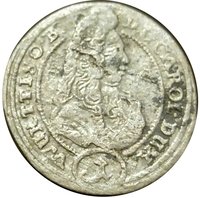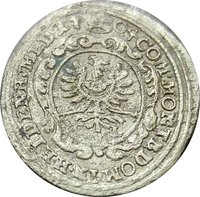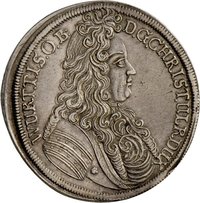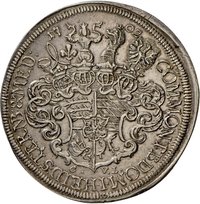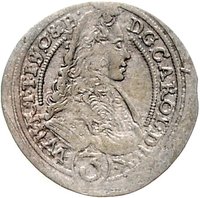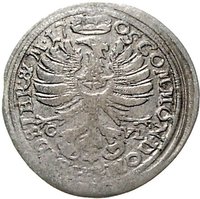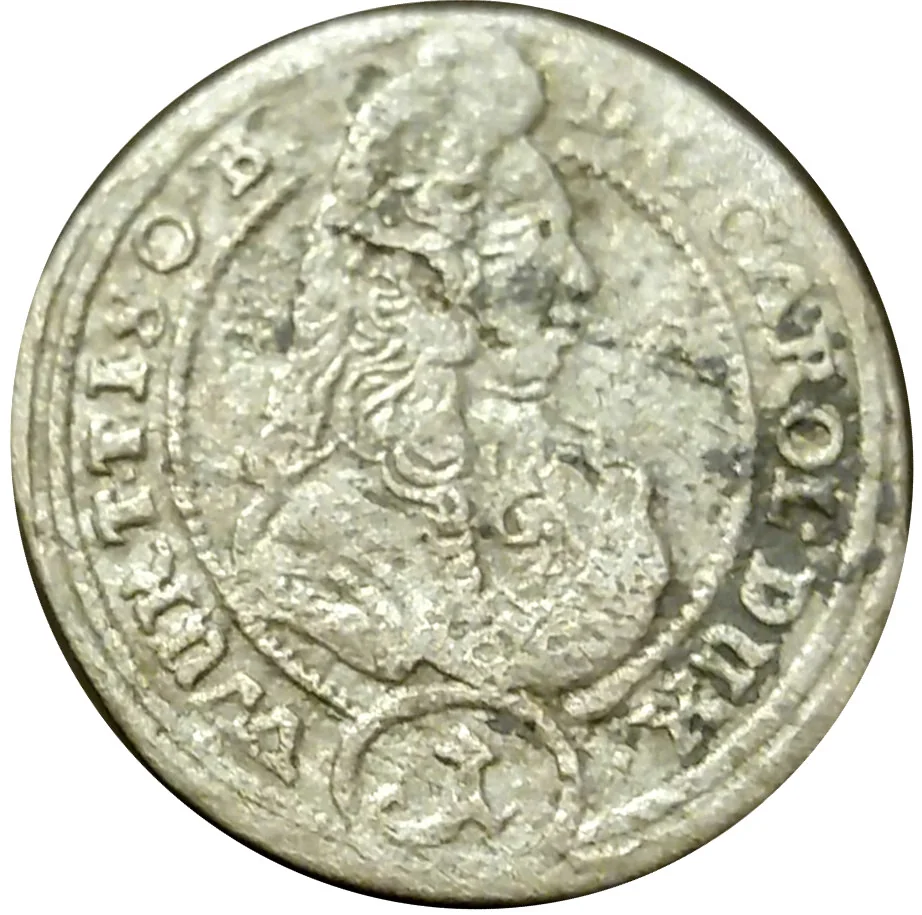
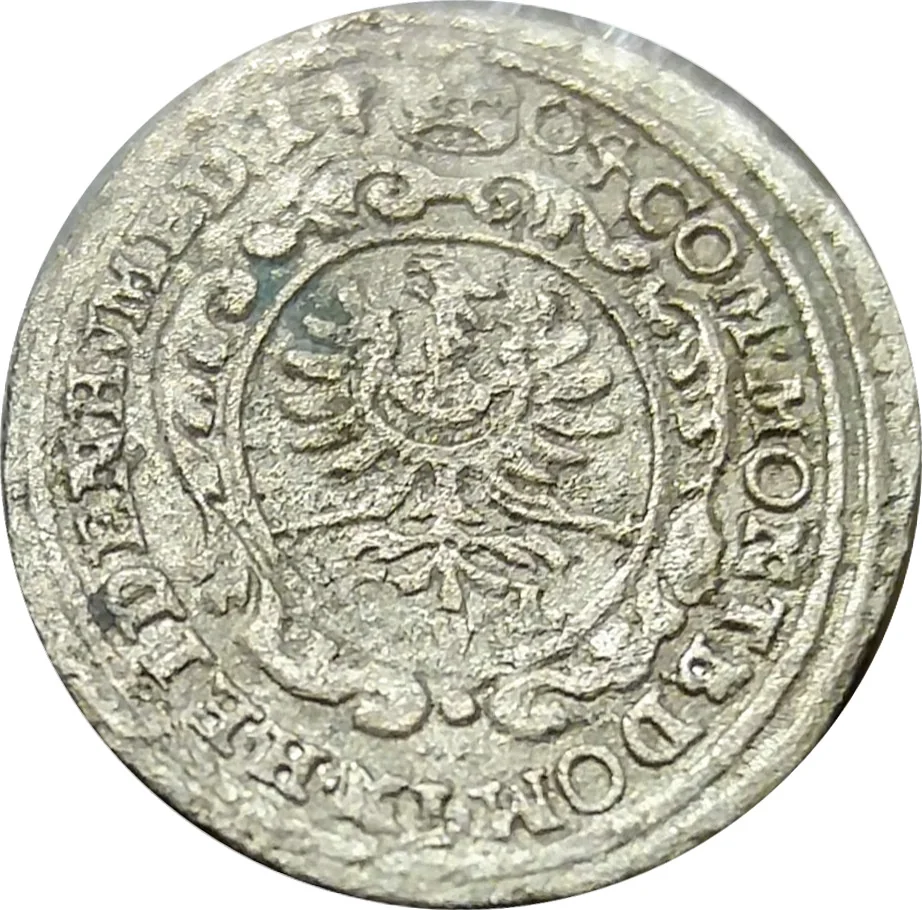
In 1704, the Duchy of Württemberg-Oels, a small Silesian territory ruled by a cadet branch of the Württemberg dynasty, was deeply entangled in the financial and monetary chaos of the Great Northern War. The region was a theatre of military operations, with Swedish and Saxon armies marching through and occupying areas, severely disrupting local economies. Like many German states at the time, the duchy faced immense pressure to fund its own defence and satisfy the exorbitant "contributions" (essentially extortion) demanded by the warring powers, which drained its treasury and destabilized its fiscal system.
The currency situation was characterized by severe inflation and debasement. To raise funds quickly, the ruling Duke Christian Ulrich II, like his contemporaries, was almost certainly compelled to engage in the practice of
Kippermünze (clip coinage). This involved reducing the precious metal content in newly minted coins while maintaining their face value, a form of short-term debt financing that eroded public trust. The circulation was likely a confusing mix of older, better-quality Reichsthalers and newer, debased local coins, alongside various currencies from neighbouring states and occupying armies, creating a chaotic and inefficient monetary environment.
Consequently, the year 1704 would have seen a period of significant monetary crisis for Württemberg-Oels. The combination of wartime extraction, coinage debasement, and competing currencies led to soaring prices for basic goods, hardship for the population, and a breakdown in commercial reliability. This situation was not unique to the duchy but was a acute symptom of the wider imperial monetary disorder exacerbated by the war, leaving small states like Württemberg-Oels with little autonomy to stabilize their currency until broader peace was achieved.