

2 Mun – Joseon
Context
Material
Weight: 6.75 g
Shape: Round with a square hole
Composition: Bronze
Magnetic: No
Technique: Cast
Alignment: Medal alignment
flip
References
KM: #Click to copy to clipboard313
Numista: #78655
Obverse
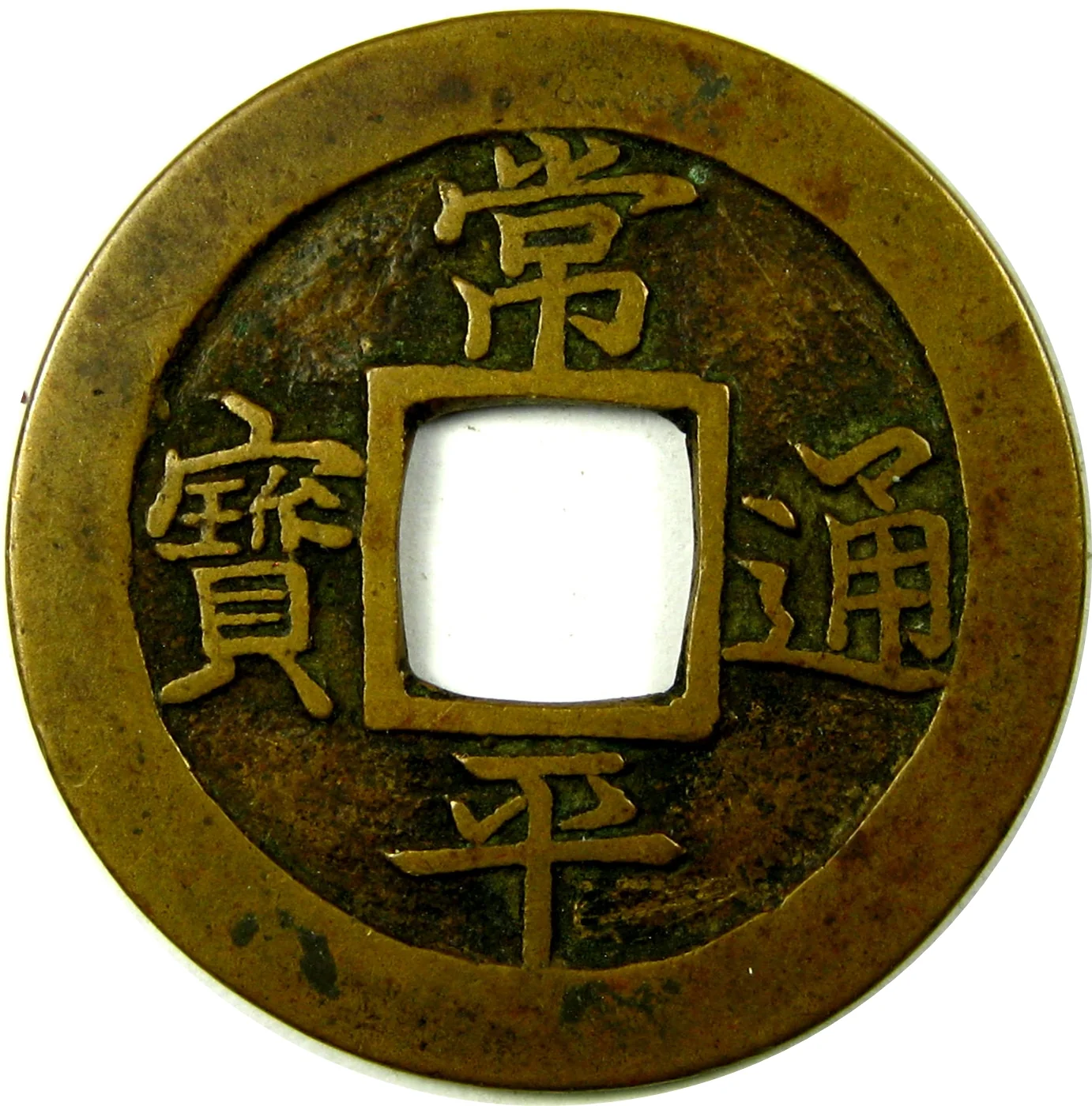
Description:
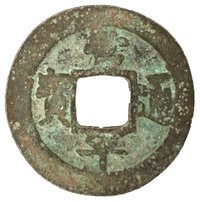
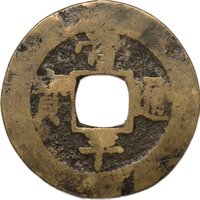
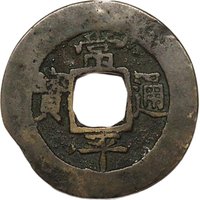
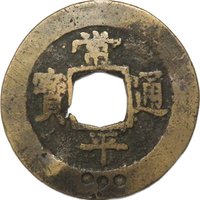
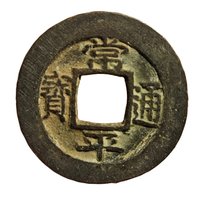
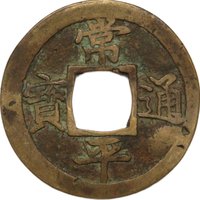
常平通寶 (Sang pyong Tong bo) - Yi Dynasty Korean currency.
Inscription:
常
寶 通
平
寶 通
平
Scripts: Chinese (traditional, regular script)
Reverse
Description:
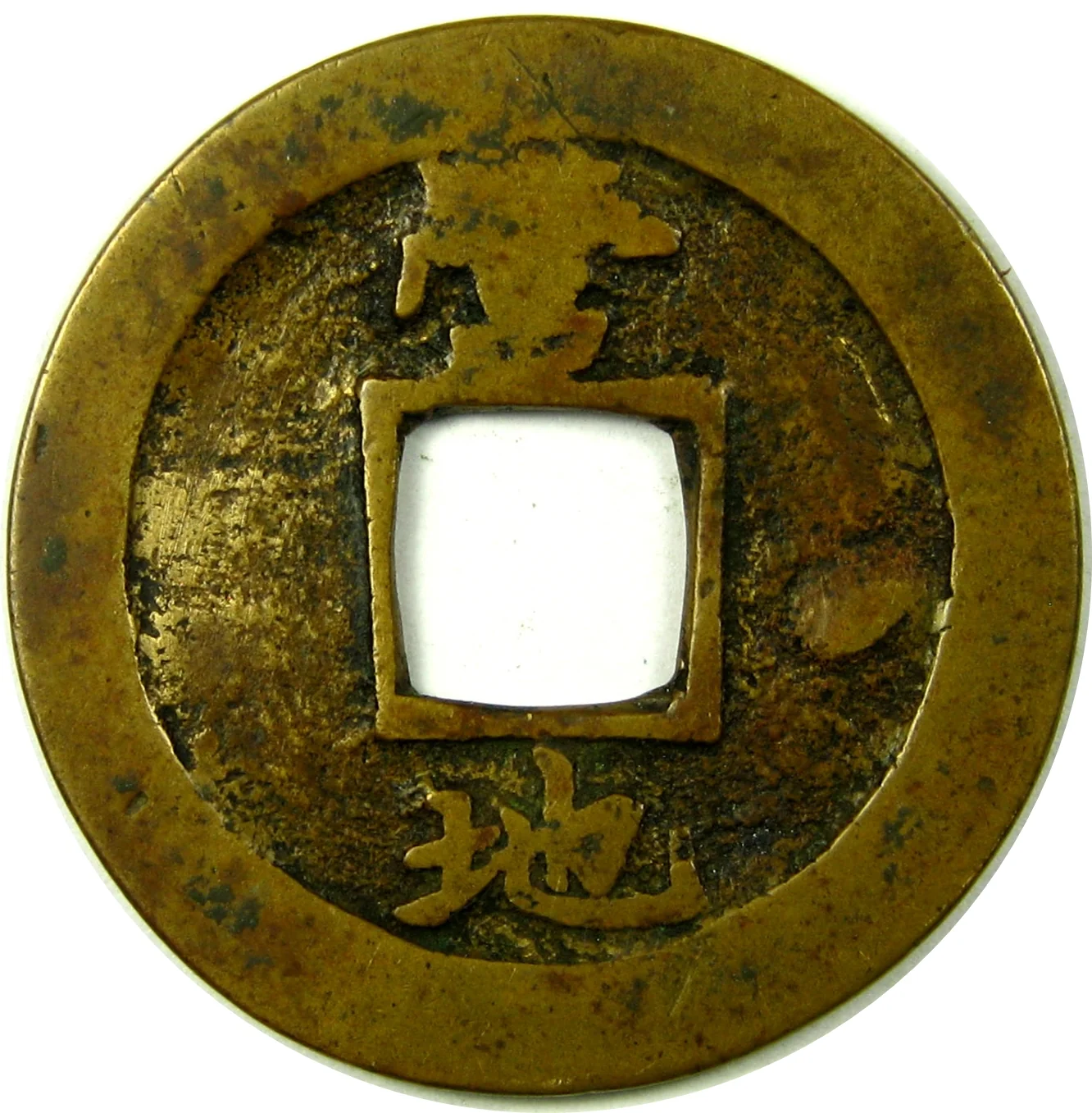
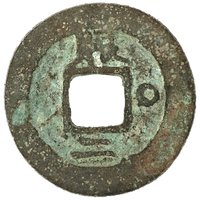
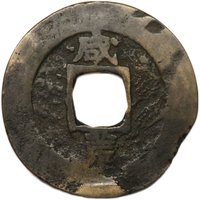
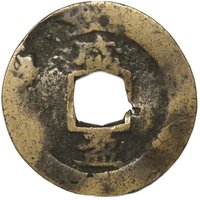
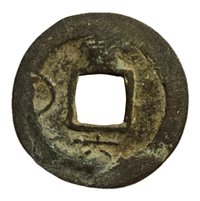
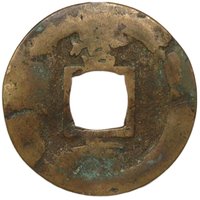
Mint mark above, *營 (Yŏng) below.
Inscription:
營
地
地
Scripts: Chinese (traditional, regular script)
Edge
Mints
| Name | Mark |
|---|---|
| Special Army Unit | 營 |
Mintings
| Year | Mint Mark | Mintage | Quality | Collection |
|---|---|---|---|---|
| — | 營 | — |
Historical background
In 1742, the currency system of Joseon Korea was in a state of profound strain and transition, caught between the theoretical framework of a state-monetized economy and the harsh realities of scarcity and debasement. The primary currency was the yeopjeon, a brass coin minted with the inscription "Sangpyeong Tongbo" (常平通寶), which had been introduced in 1633 to stabilize the economy after the devastating Imjin Wars. However, by the mid-18th century, chronic shortages of these coins plagued the kingdom. The government's minting capacity was limited by shortages of copper and zinc, while a significant portion of the coinage was hoarded by wealthy families and yangban elites or drained out of the country through trade with Qing China and Japan, creating a crippling deflationary pressure on everyday commerce.
This coin shortage forced the continued and widespread use of alternative currencies, creating a complex and unstable multi-currency environment. The most important of these was bohwa, or cotton cloth, which served as a de facto currency, especially for large transactions and tax payments. Rice and hemp cloth also circulated commonly. This reliance on commodity money was inefficient and cumbersome, hindering commercial growth and causing price fluctuations tied to harvest yields. Furthermore, the scarcity of official coinage led to the proliferation of privately minted and often debased yeopjeon, which further eroded public trust in the currency system and complicated transactions.
The reign of King Yeongjo (r. 1724-1776) was a period of active reform, and by 1742, the monarch was deeply engaged in addressing this monetary crisis. His government had already attempted measures like the Kyunyukbeop (均役法) tax reform to stabilize state finances, but the currency problem persisted. The state response oscillated between attempts to increase minting, crack down on hoarding and counterfeit coins, and manage the use of cloth currency. The situation in 1742 was thus one of acute tension, marking a critical juncture where the state's ability to control the monetary system was being severely tested, setting the stage for Yeongjo's more concerted efforts in the following decades to unify and stabilize the currency through increased minting and standardized regulations.
This coin shortage forced the continued and widespread use of alternative currencies, creating a complex and unstable multi-currency environment. The most important of these was bohwa, or cotton cloth, which served as a de facto currency, especially for large transactions and tax payments. Rice and hemp cloth also circulated commonly. This reliance on commodity money was inefficient and cumbersome, hindering commercial growth and causing price fluctuations tied to harvest yields. Furthermore, the scarcity of official coinage led to the proliferation of privately minted and often debased yeopjeon, which further eroded public trust in the currency system and complicated transactions.
The reign of King Yeongjo (r. 1724-1776) was a period of active reform, and by 1742, the monarch was deeply engaged in addressing this monetary crisis. His government had already attempted measures like the Kyunyukbeop (均役法) tax reform to stabilize state finances, but the currency problem persisted. The state response oscillated between attempts to increase minting, crack down on hoarding and counterfeit coins, and manage the use of cloth currency. The situation in 1742 was thus one of acute tension, marking a critical juncture where the state's ability to control the monetary system was being severely tested, setting the stage for Yeongjo's more concerted efforts in the following decades to unify and stabilize the currency through increased minting and standardized regulations.
Series: 1742 Joseon circulation coins

💎 Extremely Rare