

1 Speciedaler – Norway
Norway
Context

Material
References
KM: #Click to copy to clipboardA57
Numista: #118947
Value
Bullion value: $72.60
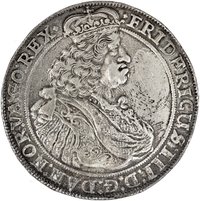
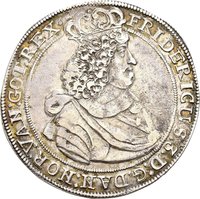
Obverse
Description:
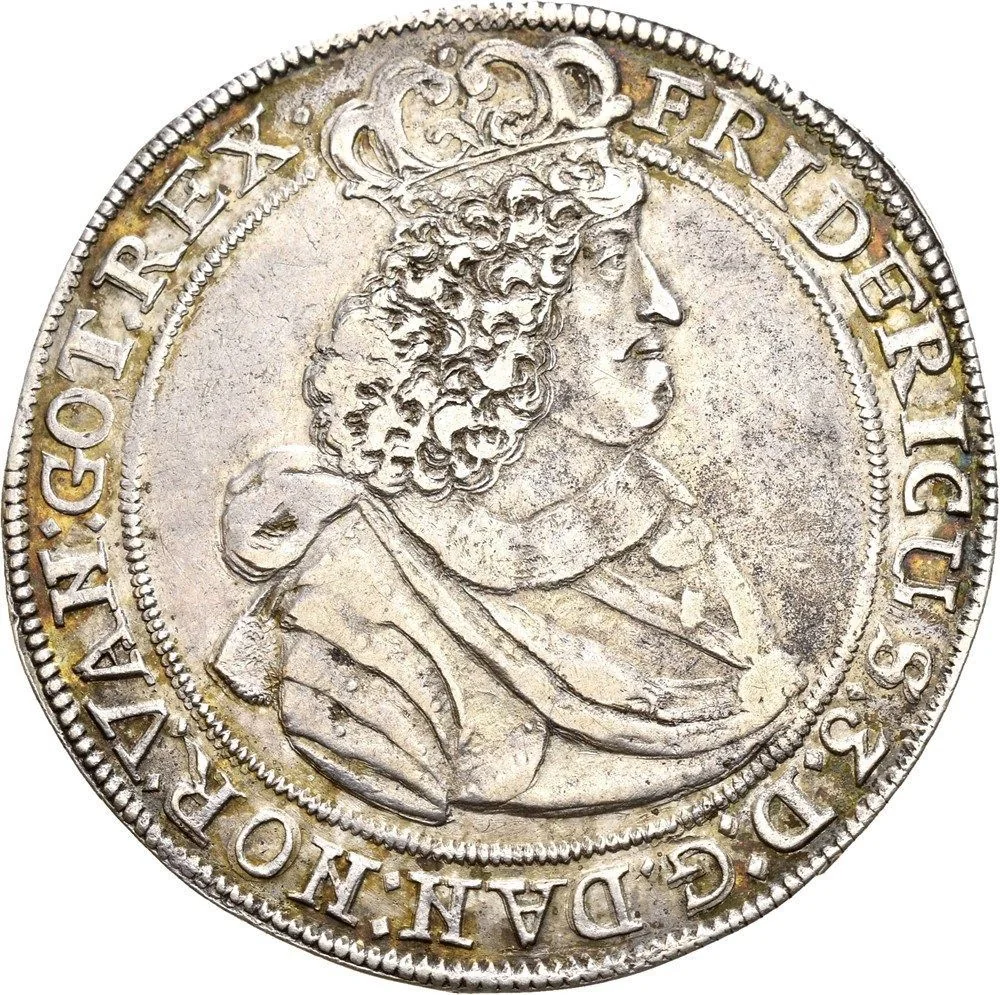
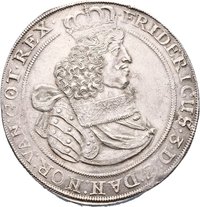
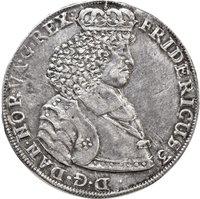
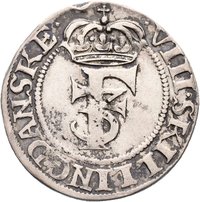
Right-facing crowned bust of Frederick III with long hair within a beaded circle and inscription. Beaded rim.
Inscription:
FRIDERICUS.3.D:G.DAN:NOR:VAN:GOT.REX·
Script: Latin
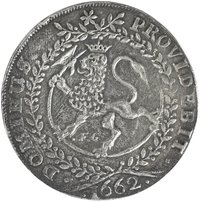
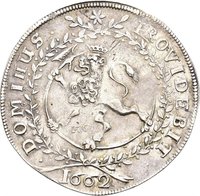
Reverse
Description:
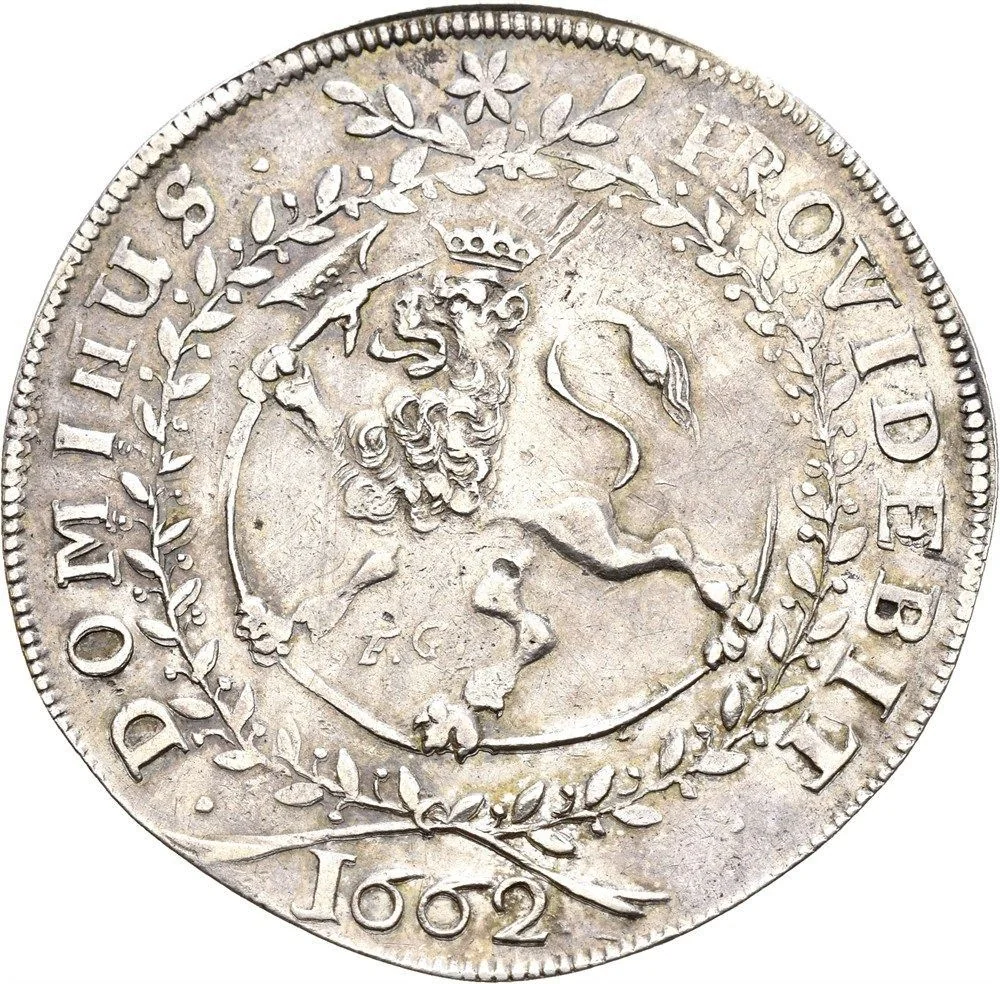
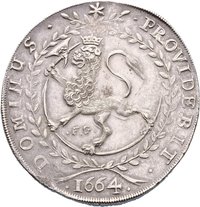
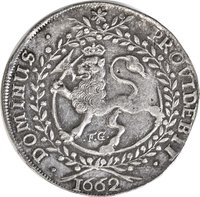
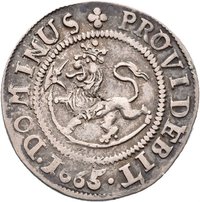
Rampant crowned lion left, holding a curved halberd, within a laurel wreath and inscription. Beaded rim.
Inscription:
· DOMINUS · ✽ PROVIDEBIT ·
.F.G.
1662
.F.G.
1662
Script: Latin
Edge
Plain.
Categories
| Animal |
| Object> Cold weapons |
| Person> Monarch |
| Symbol> Crown |
| Symbols> Coat of Arms |
| Symbol> Wreath |
Mints
| Name | Mark |
|---|---|
| Christiania | — |
Mintings
| Year | Mint Mark | Mintage | Quality | Collection |
|---|---|---|---|---|
| 1662 | — | — | ||
| 1663 | — | — | ||
| 1664 | — | — |
Historical background
In 1662, Norway was part of the dual monarchy of Denmark-Norway, and its currency situation was characterized by severe instability and devaluation. The primary currency was the silver riksdaler, but the state's finances were crippled by debts from the recent wars with Sweden. To meet these obligations, the government, under King Frederik III, resorted to repeatedly debasing the coinage by reducing its silver content and issuing vast quantities of low-quality subsidiary coins. This led to rampant inflation, a loss of public trust in the monetary system, and a confusing array of coins with fluctuating values in circulation.
The crisis culminated in a major monetary reform in 1662, which aimed to stabilize the situation by introducing a new standard. The government called in all old, debased coins and mandated they be exchanged for new coins with a fixed, lower nominal value—a process that effectively constituted a state bankruptcy for creditors and a heavy loss for the general populace. The new system established the riksdaler specie (based on its actual silver content) and the riksdaler courant (for daily accounting, which was subject to devaluation), creating a dual system that would persist for centuries.
This turbulent period was not merely a financial event but also a significant political one. The financial strain contributed to the king's establishment of absolute monarchy in 1660-1661, as the nobility's resistance to taxation was overcome. Thus, the currency situation of 1662 reflects a moment of profound state transformation, where fiscal desperation drove both monetary upheaval and a permanent shift in the balance of power within the kingdom.
The crisis culminated in a major monetary reform in 1662, which aimed to stabilize the situation by introducing a new standard. The government called in all old, debased coins and mandated they be exchanged for new coins with a fixed, lower nominal value—a process that effectively constituted a state bankruptcy for creditors and a heavy loss for the general populace. The new system established the riksdaler specie (based on its actual silver content) and the riksdaler courant (for daily accounting, which was subject to devaluation), creating a dual system that would persist for centuries.
This turbulent period was not merely a financial event but also a significant political one. The financial strain contributed to the king's establishment of absolute monarchy in 1660-1661, as the nobility's resistance to taxation was overcome. Thus, the currency situation of 1662 reflects a moment of profound state transformation, where fiscal desperation drove both monetary upheaval and a permanent shift in the balance of power within the kingdom.
Series: 1662 Norway circulation coins
✨ Legendary