

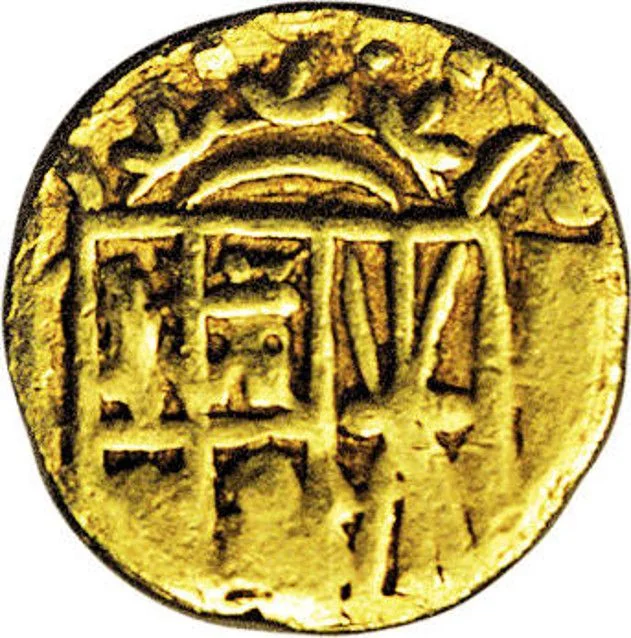
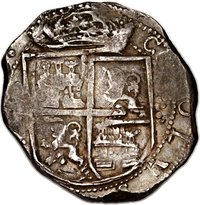
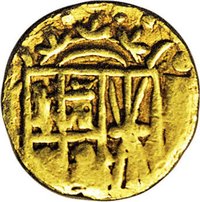
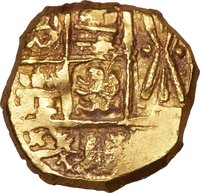
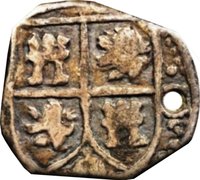
Obverse
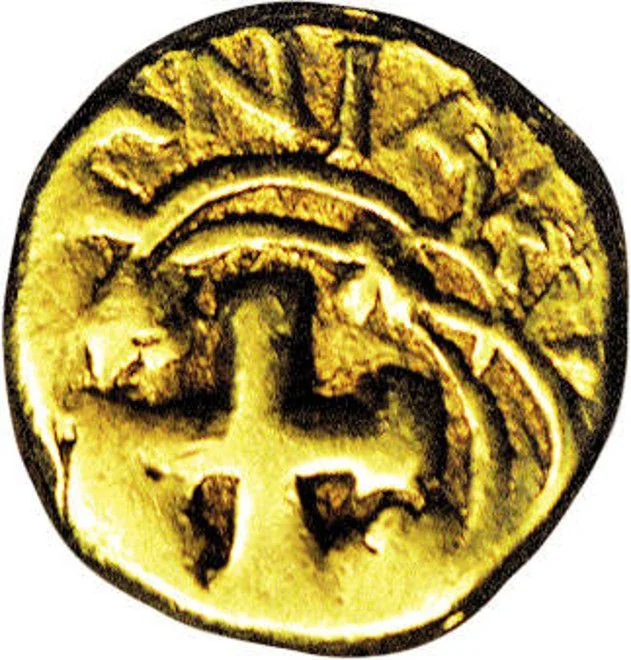
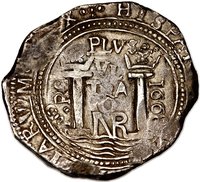
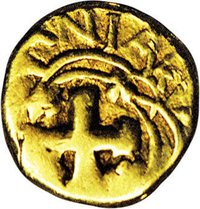
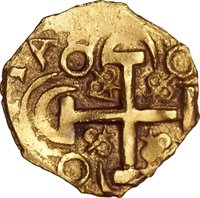
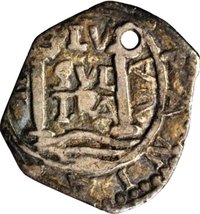
Reverse
Edge
Mintings
| Year | Mint Mark | Mintage | Quality | Collection |
|---|---|---|---|---|
| 1666 | SF | — | ||
| 1678 | SF | — | ||
| 1708 | SF | — |
Historical background
In 1666, the currency situation in the Kingdom of New Granada (modern-day Colombia) was characterized by severe scarcity, rampant counterfeiting, and administrative confusion. The Spanish Crown’s strict mercantilist policies meant that precious metals mined in the colony, primarily from the rich veins of the Andes, were required to be shipped to Spain, leaving the local economy chronically short of official coinage. This scarcity was exacerbated by the use of a multitude of circulating mediums, including worn and clipped Spanish reales, crude locally minted macuquinas (cob coins) of irregular weight and fineness, and even cacao beans in some regional markets.
The primary response to this shortage was the proliferation of counterfeit and adulterated coins, which reached crisis levels by the mid-17th century. Unscrupulous individuals would shave or "clip" silver from the edges of legitimate coins or produce crude forgeries, severely undermining trust in the monetary system. This devaluation created price inflation and hindered commerce, as merchants and officials struggled to assess the true value of payments. The colonial authorities, including the Real Audiencia in Santafé de Bogotá, issued repeated decrees against such practices, but enforcement across the vast and rugged territory was ineffective.
Ultimately, the monetary chaos of 1666 reflected the broader weaknesses of Spanish imperial administration. The colony lacked an official mint (the Casa de Moneda in Bogotá would not be established until 1627, and its operations were still inconsistent), and royal fiscal policy prioritized the extraction of bullion over the stability of the colonial economy. Consequently, daily transactions were conducted with a fragile and unreliable mixture of coins, leading to economic uncertainty that stifled local trade and integration, a problem that would persist for decades.
The primary response to this shortage was the proliferation of counterfeit and adulterated coins, which reached crisis levels by the mid-17th century. Unscrupulous individuals would shave or "clip" silver from the edges of legitimate coins or produce crude forgeries, severely undermining trust in the monetary system. This devaluation created price inflation and hindered commerce, as merchants and officials struggled to assess the true value of payments. The colonial authorities, including the Real Audiencia in Santafé de Bogotá, issued repeated decrees against such practices, but enforcement across the vast and rugged territory was ineffective.
Ultimately, the monetary chaos of 1666 reflected the broader weaknesses of Spanish imperial administration. The colony lacked an official mint (the Casa de Moneda in Bogotá would not be established until 1627, and its operations were still inconsistent), and royal fiscal policy prioritized the extraction of bullion over the stability of the colonial economy. Consequently, daily transactions were conducted with a fragile and unreliable mixture of coins, leading to economic uncertainty that stifled local trade and integration, a problem that would persist for decades.
Series: 1666 Colombia circulation coins
✨ Legendary