

1 Schilling – County of East Frisia
Context
Years: 1614–1617
Issuer: County of East Frisia
Ruler: Matthias
Currency:
Subdivision: 1 Schilling = 6 Stüber
Demonetized: Yes
Material
References
KM: #Click to copy to clipboard70
Numista: #78184
Value
Bullion value: $14.20
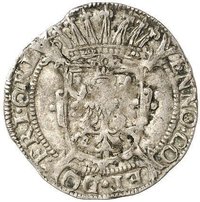
Obverse
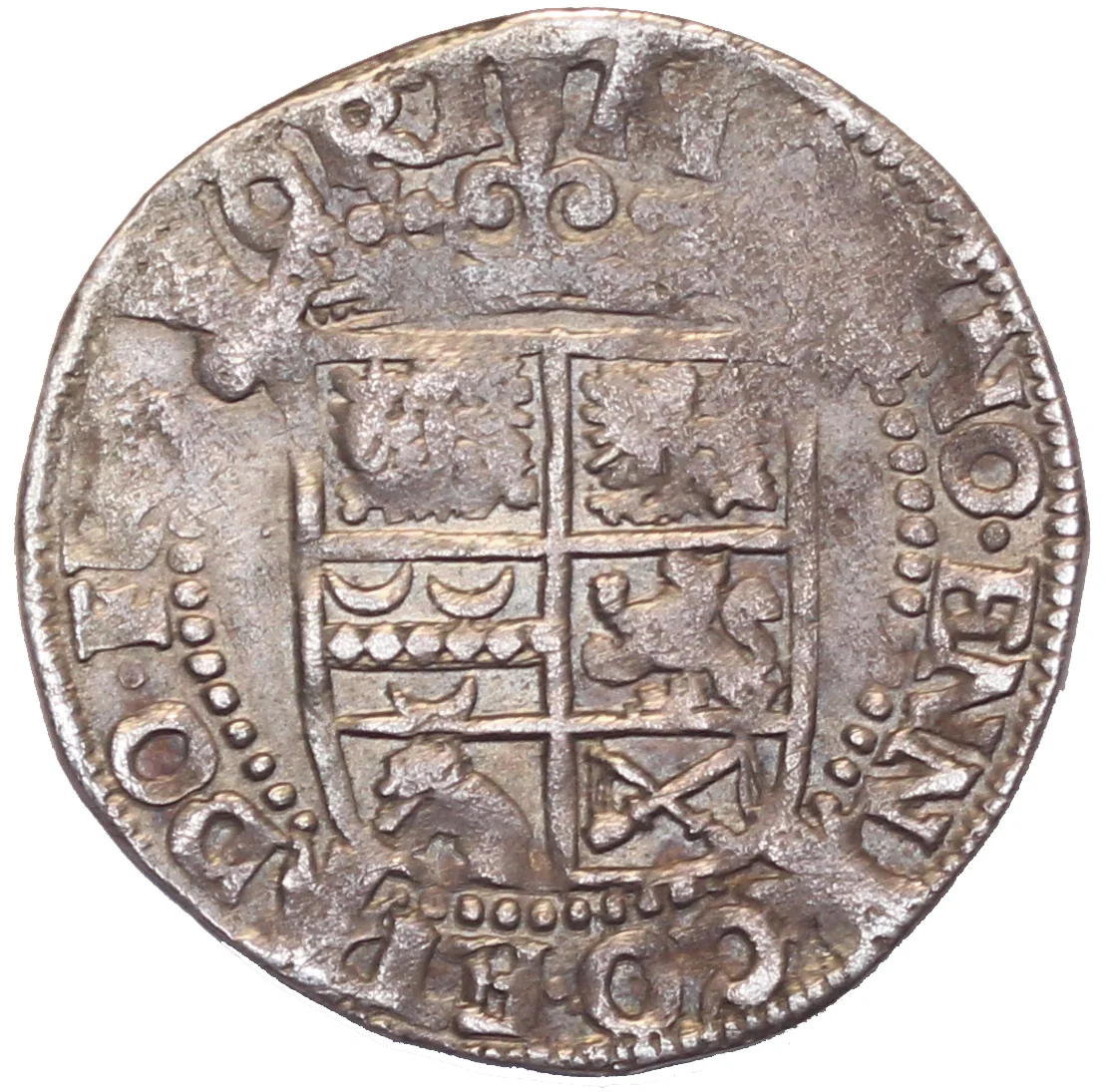
Description:
Six-armed crowned shield.
Inscription:
MO — NO . ENN — CO . ET — DO . FRI — ORI
Script: Latin
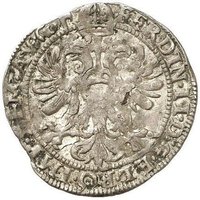
Reverse
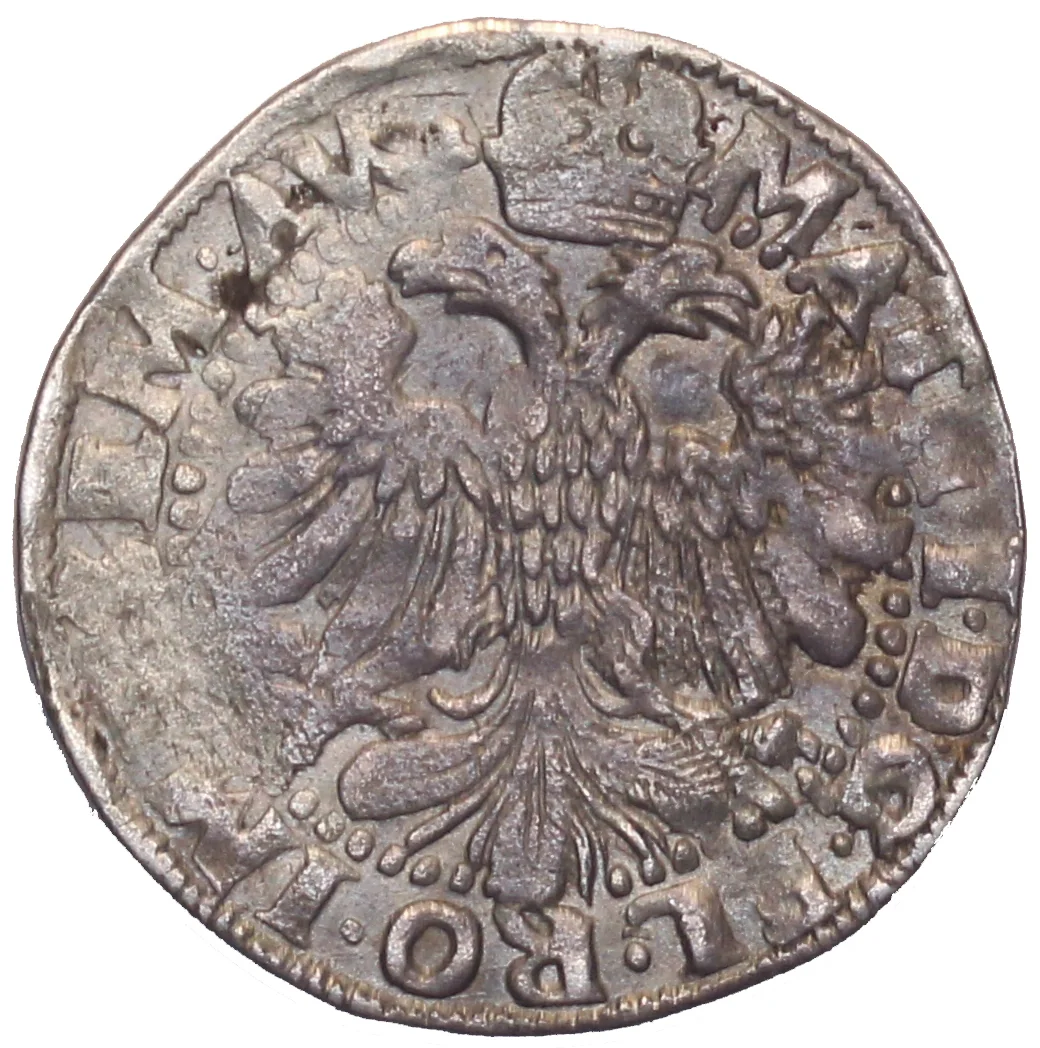
Description:
Imperial eagle with crown.
Inscription:
MATH . I . D : G . EL . RO . IMP . SEM . AVG
Script: Latin
Edge
Mints
| Name | Mark |
|---|---|
| Emden | — |
Mintings
| Year | Mint Mark | Mintage | Quality | Collection |
|---|---|---|---|---|
| 1614 | — | — | ||
| 1617 | — | — |
Historical background
In 1614, the County of East Frisia found itself in a precarious monetary situation, caught between the powerful currency systems of its neighbors. The region was nominally part of the Holy Roman Empire's monetary framework, which relied on the Reichsthaler as a large silver unit. However, the daily reality was one of significant complexity and debasement. The county's own circulating coinage, particularly lower-denomination issues like the Grote and Stüber, was often of inferior silver content and subject to frequent devaluation. This created a dual system where high-value foreign coins (like Dutch Daalders and Reichsthalers) were used for trade and savings, while poor-quality local coins plagued everyday transactions.
This instability was exacerbated by the constitutional struggle between Count Enno III and the East Frisian estates, particularly the city of Emden. The right to mint coins was a key point of contention, with both sides seeking control over this lucrative sovereign privilege. The estates, representing the wealthy merchant class, desired a stable currency to facilitate trade, especially with the economically dominant Dutch Republic. The count, often in financial straits, was tempted to engage in Kipper- und Wipperzeit practices—clipping coins, debasing metal content, or operating temporary mints—to generate short-term revenue, further eroding trust in the local currency.
Consequently, the East Frisian economy in 1614 was highly monetized but unstable, heavily influenced by Dutch monetary influx. The upcoming year would prove pivotal, as the conflict culminated in the Treaty of Osterhusen, which stripped Count Enno III of his sole minting rights and granted control to the estates. This shift aimed to impose monetary discipline and align East Frisia more closely with the reliable Dutch system, setting the stage for a period of stabilization, though full resolution of the currency chaos would take years to achieve.
This instability was exacerbated by the constitutional struggle between Count Enno III and the East Frisian estates, particularly the city of Emden. The right to mint coins was a key point of contention, with both sides seeking control over this lucrative sovereign privilege. The estates, representing the wealthy merchant class, desired a stable currency to facilitate trade, especially with the economically dominant Dutch Republic. The count, often in financial straits, was tempted to engage in Kipper- und Wipperzeit practices—clipping coins, debasing metal content, or operating temporary mints—to generate short-term revenue, further eroding trust in the local currency.
Consequently, the East Frisian economy in 1614 was highly monetized but unstable, heavily influenced by Dutch monetary influx. The upcoming year would prove pivotal, as the conflict culminated in the Treaty of Osterhusen, which stripped Count Enno III of his sole minting rights and granted control to the estates. This shift aimed to impose monetary discipline and align East Frisia more closely with the reliable Dutch system, setting the stage for a period of stabilization, though full resolution of the currency chaos would take years to achieve.
✨ Legendary