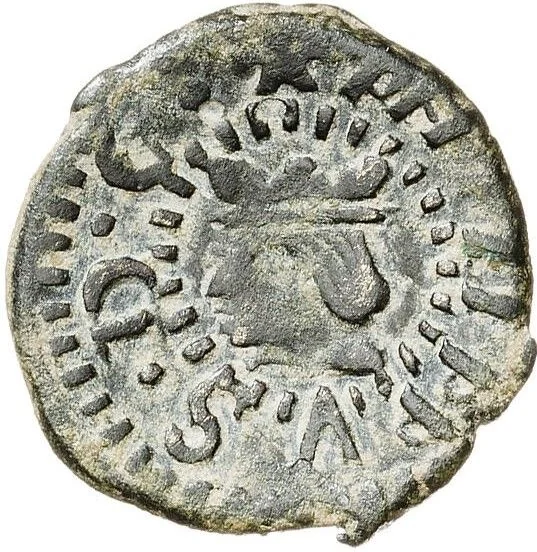
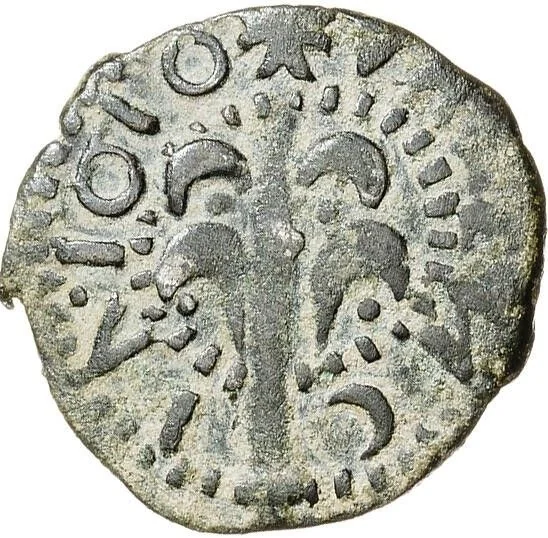
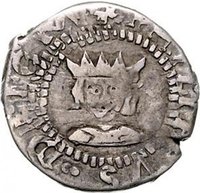
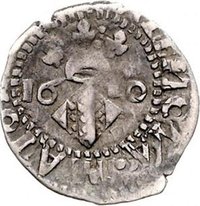
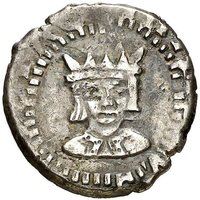
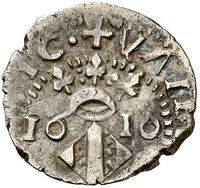
In 1610, the Kingdom of Valencia, a constituent realm of the Spanish Crown under Philip III, operated within the complex and strained monetary system of Habsburg Spain. The primary circulating coin was the
real, with the silver
real de a ocho (piece of eight) serving as a key unit for larger transactions and international trade, heavily reliant on bullion from the Americas. However, the kingdom also saw a proliferation of
vellón coinage—a debased copper or billon (copper-silver alloy) currency minted in vast quantities by the Crown to finance its endless military commitments in Europe. This created a disruptive two-tier system: high-value silver for external commerce and increasingly worthless copper for daily local life.
The situation was one of profound crisis and inflation. The Crown's repeated attempts to solve its debt by flooding the economy with base
vellón, including setting its value by arbitrary decree (
curso forzoso), led to a severe loss of public confidence. Gresham's Law took hold, as good silver coins were hoarded or exported, leaving only the devalued copper in common circulation. This devastated Valencia's vibrant mercantile and agricultural economy, as prices for basic goods became unstable and contractual agreements were fraught with uncertainty over which type of money would be used for payment.
This monetary instability was exacerbated by local demographics and politics. The 1609 expulsion of the Moriscos (Muslims forcibly converted to Christianity) had just been decreed, removing a crucial agricultural workforce and further disrupting the local economy. Tensions flared between the Valencia's representative assembly, the
Corts, which sought monetary stability for its landed nobility and merchants, and the centralizing Crown in Madrid, which viewed currency as a fiscal tool for imperial needs. Thus, in 1610, Valencia was caught in a perfect storm: a destabilized currency, a deepening economic recession, and profound social upheaval, all of which undermined the kingdom's former prosperity.