

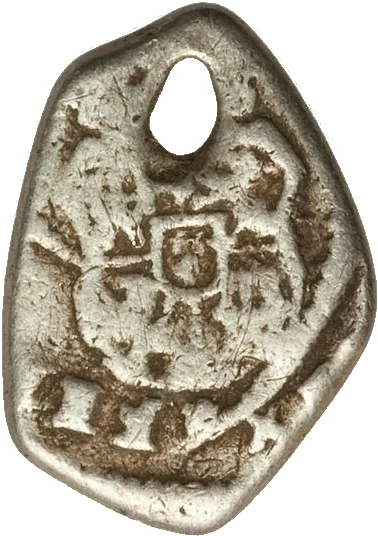
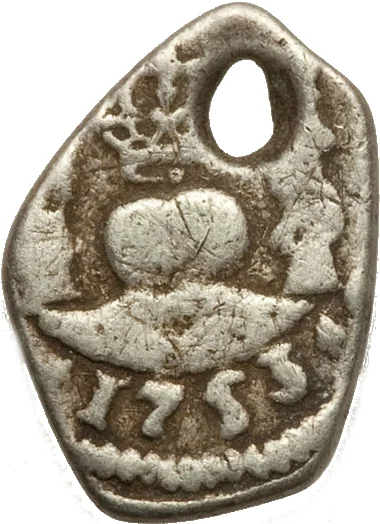
½ real – Guatemala
Add to wishlist
Guatemala
Context
Years: 1747–1753
Issuer: Guatemala
Ruler: Ferdinand VI
Currency:
(1733—1859)
Demonetization: 23 August 1873
Material
References
KM: #
Numista: #75032
Value
Bullion value: $3.80
Obverse
Description:
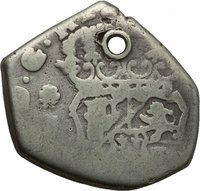
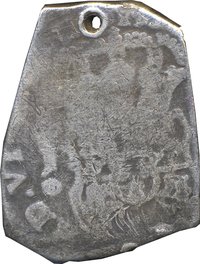
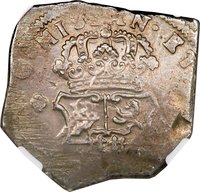
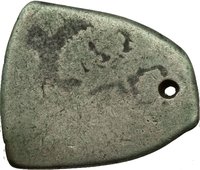
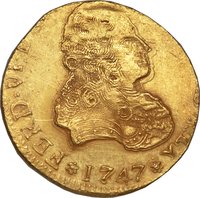
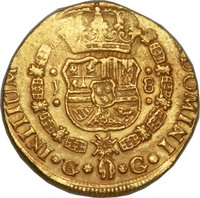
Shielded crowned arms flanked by initial and value, encircled by legend.
Script: Latin
Reverse
Description:
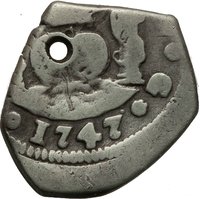
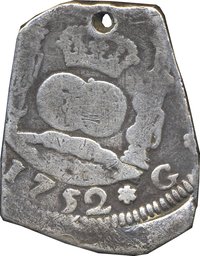
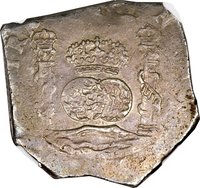
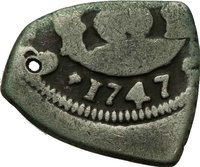
Crowned hemispheres between pillars, encircled by legend.
Script: Latin
Edge
Categories
| Symbols> Coat of Arms |
Mints
| Name | Mark |
|---|---|
| Casa de Moneda de Guatemala | — |
Mintings
| Year | Mint Mark | Mintage | Quality | Collection |
|---|---|---|---|---|
| 1747 | J | — | ||
| 1748 | J | — | ||
| 1749 | J | — | ||
| 1750 | J | — | ||
| 1751 | J | — | ||
| 1752 | J | — | ||
| 1753 | J | — |
Historical background
In 1747, the currency situation in the Kingdom of Guatemala (which included modern-day Guatemala and much of Central America) was complex and strained, operating under the monetary system of the Spanish Empire. The primary circulating coin was the silver real, with eight reales equaling one peso or "piece of eight." Gold escudos were also minted but were less common in everyday transactions. However, a chronic shortage of official, minted coinage was a defining problem. The region had no local mint (the nearest was in Mexico), and the supply of coins arriving from Spain via the annual fleet system and from the Mexican mint was irregular and often insufficient for the local economy. This scarcity was exacerbated by the export of coins to pay for imported goods and to satisfy royal taxes, leaving the provincial economy perpetually under-monetized.
To compensate for this shortage, a widespread practice of using cacao beans as a supplementary currency, especially for small-scale and indigenous market transactions, persisted from the pre-Columbian era. More critically, due to the lack of official coins, people often resorted to cutting whole coins into fractional pieces (like pesos into reales or tomines) to make change, a practice that led to further degradation and confusion in the money supply. Furthermore, the circulation of foreign coins, particularly from other Spanish colonies and even counterfeits, was common, further complicating trade and valuation. The colonial government frequently issued proclamations against the cutting of coins and the use of cacao, but with little practical effect, as the structural shortage remained unresolved.
This monetary environment created significant challenges for commerce, tax collection, and economic planning. Merchants and hacienda owners faced difficulties in obtaining liquid capital, while the general populace struggled with the inconsistent value and authenticity of the media of exchange. The situation reflected the broader administrative and economic tensions of a distant colony: a growing local economy was stifled by a rigid imperial system that failed to provide an adequate and reliable monetary base, forcing Guatemala to rely on a fragile and makeshift currency system throughout the mid-18th century.
To compensate for this shortage, a widespread practice of using cacao beans as a supplementary currency, especially for small-scale and indigenous market transactions, persisted from the pre-Columbian era. More critically, due to the lack of official coins, people often resorted to cutting whole coins into fractional pieces (like pesos into reales or tomines) to make change, a practice that led to further degradation and confusion in the money supply. Furthermore, the circulation of foreign coins, particularly from other Spanish colonies and even counterfeits, was common, further complicating trade and valuation. The colonial government frequently issued proclamations against the cutting of coins and the use of cacao, but with little practical effect, as the structural shortage remained unresolved.
This monetary environment created significant challenges for commerce, tax collection, and economic planning. Merchants and hacienda owners faced difficulties in obtaining liquid capital, while the general populace struggled with the inconsistent value and authenticity of the media of exchange. The situation reflected the broader administrative and economic tensions of a distant colony: a growing local economy was stifled by a rigid imperial system that failed to provide an adequate and reliable monetary base, forcing Guatemala to rely on a fragile and makeshift currency system throughout the mid-18th century.
Series: 1747 Guatemala circulation coins
✨ Legendary