

1 Rupee – Mughal Empire
India
Context
Years: 1629–1659
Country: India 
Issuer: Mughal Empire
Ruler: Shah Jahan
Currency:
(1540—1842)
Demonetized: Yes
Material
References
KM: #Click to copy to clipboard224.18
Numista: #72913
Value
Bullion value: $32.81
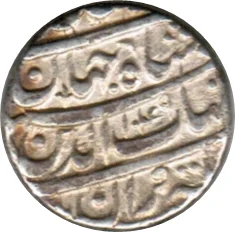
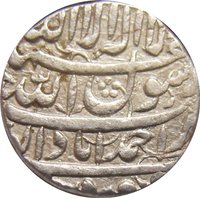
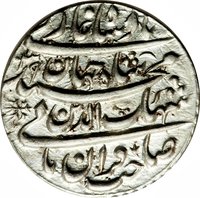
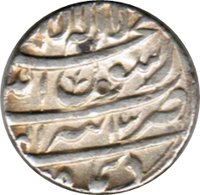
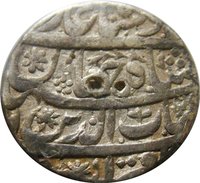
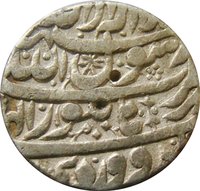
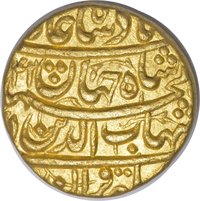
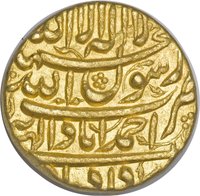
Obverse
Description:
Shahada date
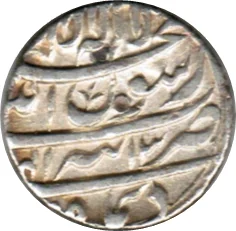
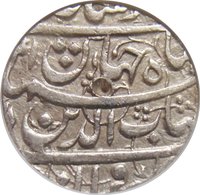
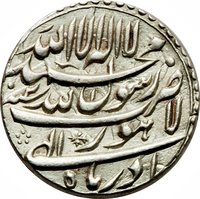
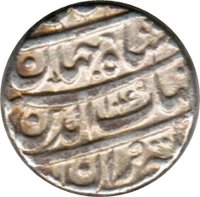
Reverse
Description:
Badshah Ghazi, month and year.
Edge
Mintings
| Year | Mint Mark | Mintage | Quality | Collection |
|---|---|---|---|---|
| 1629 | — | — | ||
| 1630 | — | — | ||
| 1631 | — | — | ||
| 1632 | — | — | ||
| 1633 | — | — | ||
| 1634 | — | — | ||
| 1635 | — | — | ||
| 1636 | — | — | ||
| 1637 | — | — | ||
| 1638 | — | — | ||
| 1639 | — | — | ||
| 1640 | — | — | ||
| 1641 | — | — | ||
| 1642 | — | — | ||
| 1643 | — | — | ||
| 1643 | — | — | ||
| 1644 | — | — | ||
| 1645 | — | — | ||
| 1646 | — | — | ||
| 1647 | — | — | ||
| 1648 | — | — | ||
| 1649 | — | — | ||
| 1650 | — | — | ||
| 1651 | — | — | ||
| 1652 | — | — | ||
| 1653 | — | — | ||
| 1654 | — | — | ||
| 1655 | — | — | ||
| 1656 | — | — | ||
| 1657 | — | — | ||
| 1658 | — | — | ||
| 1659 | — | — |
Historical background
In 1629, the Mughal Empire under Shah Jahan was in the midst of a severe monetary and economic crisis, precipitated by a devastating famine known as the Durga Devi famine. This catastrophe, caused by consecutive monsoon failures, crippled agricultural revenue—the empire's financial backbone—and led to widespread starvation and depopulation. The state's income plummeted just as its expenditures, particularly for ongoing military campaigns in the Deccan and monumental building projects like the Taj Mahal, remained immense. This created a critical fiscal shortfall, putting immense strain on the imperial treasury.
The currency system itself, a tri-metallic structure of gold mohurs, silver rupees, and copper dams, was thrown into disarray. The famine drastically reduced the supply of copper, as mines were abandoned and transport networks collapsed, leading to a scarcity of copper coins (dams), the primary currency for everyday taxation and small-scale trade. This scarcity caused their value to rise abnormally against the silver rupee, disrupting the carefully maintained exchange rates and causing administrative chaos in revenue collection, which was assessed in dams but often collected in kind or other currencies.
In response, the imperial mints worked to stabilize the situation by increasing the output of silver rupees, relying on the steady influx of New World silver entering the economy via trade. However, the core problem was a lack of agricultural wealth, not just specie. Consequently, the state resorted to desperate measures, including the ruthless collection of taxes despite the famine, the sale of crown jewels, and the melting of gold and silver ornaments from the treasury to mint new coins. Thus, the currency situation in 1629 was not an isolated monetary event but a stark reflection of an agrarian crisis testing the administrative and economic foundations of the empire.
The currency system itself, a tri-metallic structure of gold mohurs, silver rupees, and copper dams, was thrown into disarray. The famine drastically reduced the supply of copper, as mines were abandoned and transport networks collapsed, leading to a scarcity of copper coins (dams), the primary currency for everyday taxation and small-scale trade. This scarcity caused their value to rise abnormally against the silver rupee, disrupting the carefully maintained exchange rates and causing administrative chaos in revenue collection, which was assessed in dams but often collected in kind or other currencies.
In response, the imperial mints worked to stabilize the situation by increasing the output of silver rupees, relying on the steady influx of New World silver entering the economy via trade. However, the core problem was a lack of agricultural wealth, not just specie. Consequently, the state resorted to desperate measures, including the ruthless collection of taxes despite the famine, the sale of crown jewels, and the melting of gold and silver ornaments from the treasury to mint new coins. Thus, the currency situation in 1629 was not an isolated monetary event but a stark reflection of an agrarian crisis testing the administrative and economic foundations of the empire.

💎 Extremely Rare