

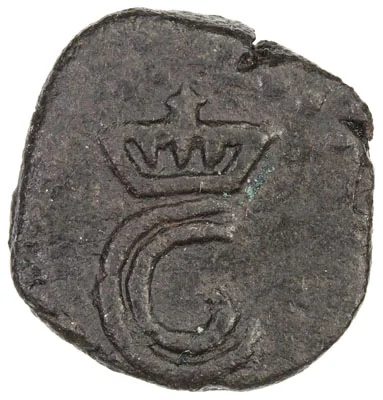
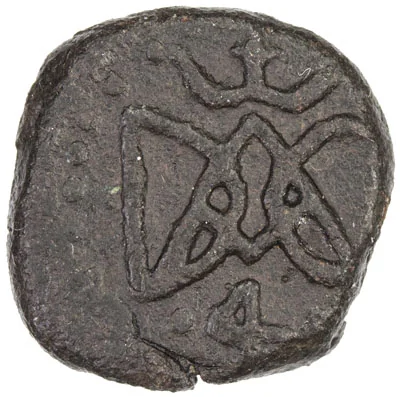
4 cash – Danish India
Add to wishlist
India
Context
Years: 1730–1746
Country: India
Issuer: Danish India
Ruler: Christian VI
Currency:
(1730—1818)
Demonetized: Yes
Material
Weight: 3.2 g
Shape: Irregular round
Composition: Copper
Magnetic: No
Alignment: Coin alignment
flip
References
KM: #
Numista: #72634
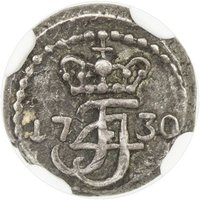
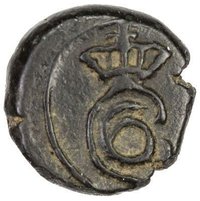
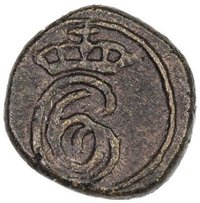
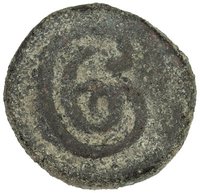
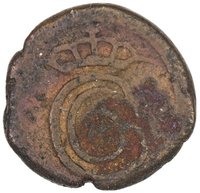
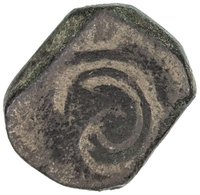
Obverse
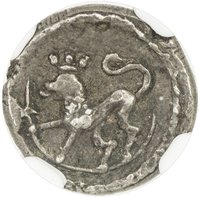
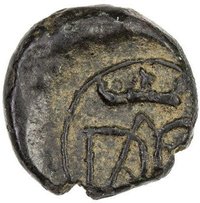
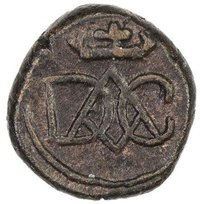
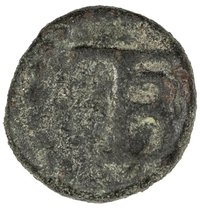
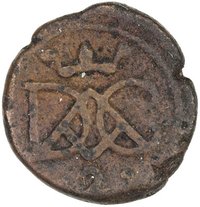
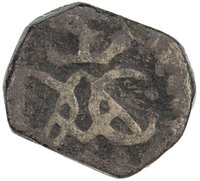
Reverse
Edge
Mintings
| Year | Mint Mark | Mintage | Quality | Collection |
|---|---|---|---|---|
| — | — | — |
Historical background
In 1730, the currency situation in Danish India, centered on the trading enclaves of Tranquebar (Tharangambadi) on the Coromandel Coast and the outpost of Serampore (Frederiksnagore) in Bengal, was complex and dominated by local and regional monetary systems. The Danish Asiatic Company, operating with limited capital and influence compared to its European rivals, did not impose a unified Danish currency. Instead, its trade was conducted primarily using a variety of already-circulating silver coins, most notably the Spanish 8-Reales piece (the "Piece of Eight") and its local derivatives. These coins were the de facto international trade currency of the era, valued for their consistent silver content.
The daily economic life within the settlements, however, revolved around South Indian monetary units. The principal accounting system was based on the fanam and the pagoda, a gold coin minted by neighboring Indian powers like the Nawab of Arcot. Transactions were often calculated in these units, even when physical payment was made in silver rupees or their fractions. The Danish company did occasionally strike its own coins, such as copper kasi or cash for small local transactions, and even some silver fanams, but these were limited in scope and intended primarily to facilitate local trade and wages rather than to establish a sovereign currency.
This multi-currency environment created a constant need for assayers and money-changers, as exchange rates between gold pagodas, silver rupees, and various European coins fluctuated based on weight, purity, and market demand. The Danish authorities published official exchange tariffs (tariffer) to standardize these conversions for company accounts and trade duties, but the system remained inherently complicated. Ultimately, Denmark's monetary policy in its Indian possessions was pragmatic and reactive, adapting to the well-established commercial networks of the Indian Ocean world rather than attempting to overhaul them.
The daily economic life within the settlements, however, revolved around South Indian monetary units. The principal accounting system was based on the fanam and the pagoda, a gold coin minted by neighboring Indian powers like the Nawab of Arcot. Transactions were often calculated in these units, even when physical payment was made in silver rupees or their fractions. The Danish company did occasionally strike its own coins, such as copper kasi or cash for small local transactions, and even some silver fanams, but these were limited in scope and intended primarily to facilitate local trade and wages rather than to establish a sovereign currency.
This multi-currency environment created a constant need for assayers and money-changers, as exchange rates between gold pagodas, silver rupees, and various European coins fluctuated based on weight, purity, and market demand. The Danish authorities published official exchange tariffs (tariffer) to standardize these conversions for company accounts and trade duties, but the system remained inherently complicated. Ultimately, Denmark's monetary policy in its Indian possessions was pragmatic and reactive, adapting to the well-established commercial networks of the Indian Ocean world rather than attempting to overhaul them.
💎 Extremely Rare