

4 Öre – Sweden
Sweden
Context
Years: 1716–1718
Issuer: Sweden 
Ruler: Charles XII
Currency:
(1715—1719)
Demonetized: Yes
Total mintage: 642,310
Material
References
KM: #Click to copy to clipboard257
Numista: #67656
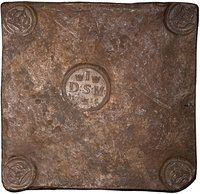
Obverse
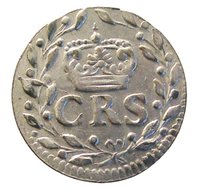
Description:
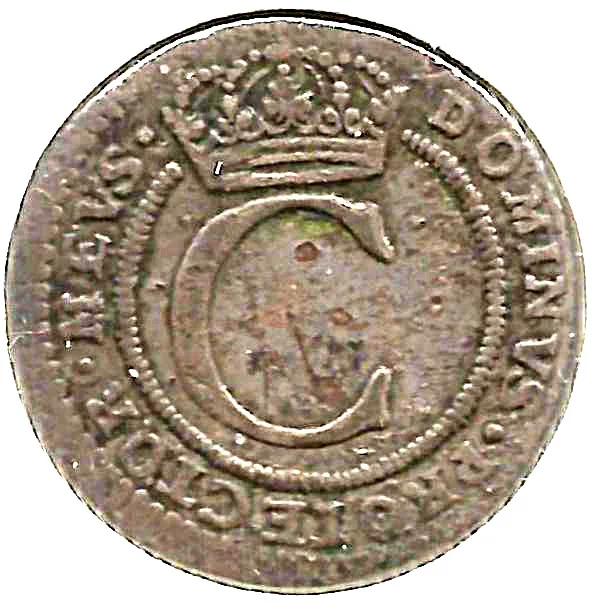
Crowned C in circle, legend outside. Note: Crown size and shape may vary on obverse and reverse. Design differs from Karl XI coins (always Km# 257).
Inscription:
C
.DOMINVS.PROTECTOR.MEVS.
.DOMINVS.PROTECTOR.MEVS.
Script: Latin
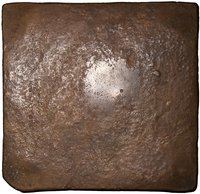
Reverse
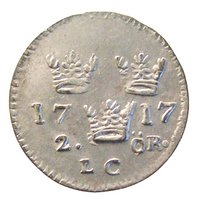
Description:
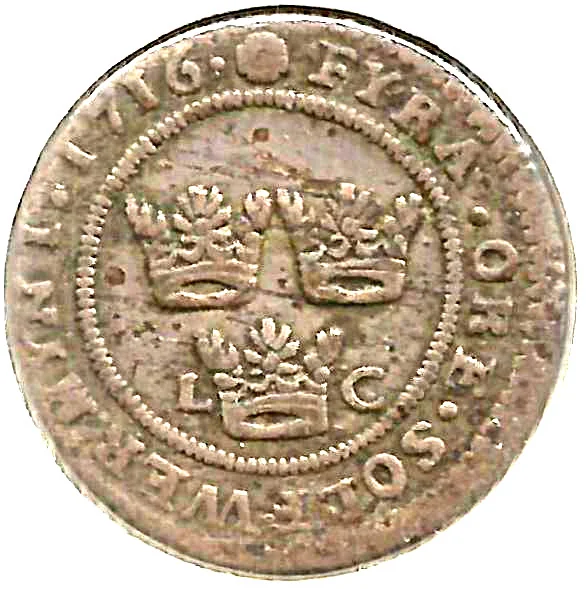
Three crowns in circle, legend around.
Inscription:
FYRA.ÖRE.SÖLFWER MYNT. 1718
LC
LC
Script: Latin
Edge
Mintings
| Year | Mint Mark | Mintage | Quality | Collection |
|---|---|---|---|---|
| 1716 | LC | 163,372 | ||
| 1717 | LC | 75,168 | ||
| 1718 | LC | 403,770 |
Historical background
In 1716, Sweden was embroiled in the Great Northern War (1700-1721), a prolonged and costly conflict that had drained the royal treasury. King Charles XII, having returned from his long exile in the Ottoman Empire, was desperately trying to defend the remaining Swedish empire against a coalition of enemies, including Russia, Denmark-Norway, and Saxony-Poland. The primary economic reality was one of severe strain: traditional revenues from taxes and tolls were disrupted by war and blockade, while military expenditures were enormous. To finance his campaigns, Charles had already resorted to borrowing heavily and melting down church bells and other metal objects for coinage, but these measures were insufficient.
Faced with this crisis, the Swedish government, under the king's direction, took the radical step of issuing the first paper money in Europe intended for general circulation. This currency, known as transportsedlar (transport notes), was introduced in 1715 and was in active use by 1716. They were not true banknotes but rather credit notes, originally intended to be redeemable in copper coin from the Riksens Ständers Bank (precursor to the Riksbank) at a future date. Their value was nominally tied to the Swedish daler silvermynt, but their practical value was immediately undermined by the lack of sufficient metallic backing.
Consequently, the year 1716 saw Sweden grappling with the early stages of a severe currency depreciation and a dual monetary system. The new paper money began to circulate at a discount compared to scarce silver and copper coins, leading to inflation and public distrust. This experimental foray into fiduciary currency was a direct wartime emergency measure, setting a precarious financial precedent. The situation would deteriorate further in the coming years, as the state issued more notes to cover its deficits, leading to a deep monetary crisis that would long outlast the war itself.
Faced with this crisis, the Swedish government, under the king's direction, took the radical step of issuing the first paper money in Europe intended for general circulation. This currency, known as transportsedlar (transport notes), was introduced in 1715 and was in active use by 1716. They were not true banknotes but rather credit notes, originally intended to be redeemable in copper coin from the Riksens Ständers Bank (precursor to the Riksbank) at a future date. Their value was nominally tied to the Swedish daler silvermynt, but their practical value was immediately undermined by the lack of sufficient metallic backing.
Consequently, the year 1716 saw Sweden grappling with the early stages of a severe currency depreciation and a dual monetary system. The new paper money began to circulate at a discount compared to scarce silver and copper coins, leading to inflation and public distrust. This experimental foray into fiduciary currency was a direct wartime emergency measure, setting a precarious financial precedent. The situation would deteriorate further in the coming years, as the state issued more notes to cover its deficits, leading to a deep monetary crisis that would long outlast the war itself.
Series: 1716 Sweden circulation coins
💎 Extremely Rare