

1 real – Bolivia
Add to wishlist
Bolivia
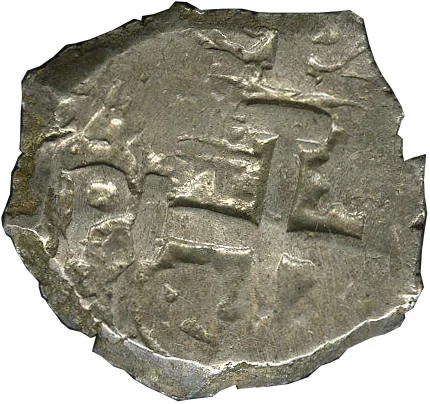
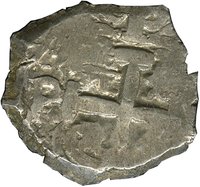
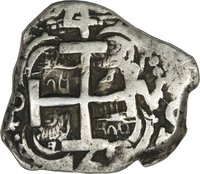
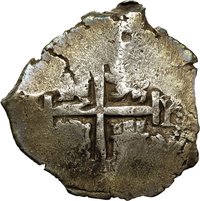
Obverse
Description:
Jerusalem Cross with lions and castles.
Inscription:
CAROLVS TERTIVS
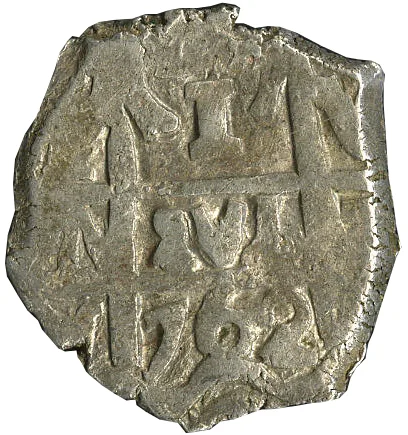
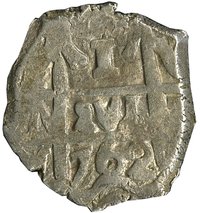
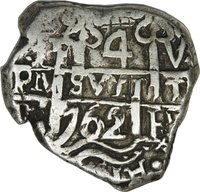
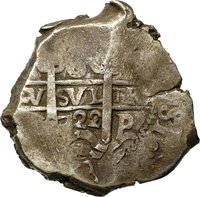
Reverse
Description:
Pillars, I, PLVS VLTRA.
Inscription:
PLVS VLTRA
1762
1762
Edge
Mintings
| Year | Mint Mark | Mintage | Quality | Collection |
|---|---|---|---|---|
| 1760 | PV | — | ||
| 1761 | PV | — | ||
| 1762 | PV | — | ||
| 1763 | PV | — | ||
| 1764 | PV | — | ||
| 1765 | PV | — | ||
| 1766 | PV | — | ||
| 1767 | PV | — | ||
| 1768 | PV | — | ||
| 1769 | PV | — | ||
| 1770 | PV | — | ||
| 1771 | PV | — | ||
| 1772 | PV | — | ||
| 1773 | PV | — |
Historical background
In 1760, the currency situation in the Bolivian region—then known as the Audiencia of Charcas within the Spanish Viceroyalty of Peru—was defined by the overwhelming dominance of silver. The city of Potosí, home to the legendary Cerro Rico mountain, was the economic heart of the Spanish Empire and the source of most of the world's silver. This immense mineral wealth made the region a hub of global finance, with silver coins minted at the Potosí Mint (Casa de la Moneda) circulating across continents. The primary unit was the silver peso, or "piece of eight," which served as a de facto global currency.
However, this silver-based economy created profound internal contradictions. While vast quantities of silver were extracted and exported, there was a chronic shortage of low-denomination currency for everyday transactions among the general population. This led to the widespread use of informal and substitute currencies, such as token coins made of base metals, clipped pieces of silver coins, and even coca leaves, which served as a common medium of exchange in indigenous markets. The Spanish crown's insistence on controlling minting and its focus on exporting bulk silver to Spain often stifled the local economy, failing to provide a sufficient and stable monetary supply for internal trade.
Furthermore, the system was plagued by corruption and debasement. Following the great scandal of the 1640s, where Potosí officials systematically produced underweight coins, royal authorities had tightened controls. Yet, by 1760, smuggling of unminted silver (plata piña) to avoid the royal fifth tax remained rampant, undermining the official economy. The Bourbon Reforms, which were beginning to be implemented, sought to increase efficiency and royal revenue, but had not yet resolved these fundamental monetary issues. Thus, the currency landscape was one of immense global wealth coexisting with local scarcity and instability.
However, this silver-based economy created profound internal contradictions. While vast quantities of silver were extracted and exported, there was a chronic shortage of low-denomination currency for everyday transactions among the general population. This led to the widespread use of informal and substitute currencies, such as token coins made of base metals, clipped pieces of silver coins, and even coca leaves, which served as a common medium of exchange in indigenous markets. The Spanish crown's insistence on controlling minting and its focus on exporting bulk silver to Spain often stifled the local economy, failing to provide a sufficient and stable monetary supply for internal trade.
Furthermore, the system was plagued by corruption and debasement. Following the great scandal of the 1640s, where Potosí officials systematically produced underweight coins, royal authorities had tightened controls. Yet, by 1760, smuggling of unminted silver (plata piña) to avoid the royal fifth tax remained rampant, undermining the official economy. The Bourbon Reforms, which were beginning to be implemented, sought to increase efficiency and royal revenue, but had not yet resolved these fundamental monetary issues. Thus, the currency landscape was one of immense global wealth coexisting with local scarcity and instability.
Series: 1760 Bolivia circulation coins
💎 Extremely Rare