

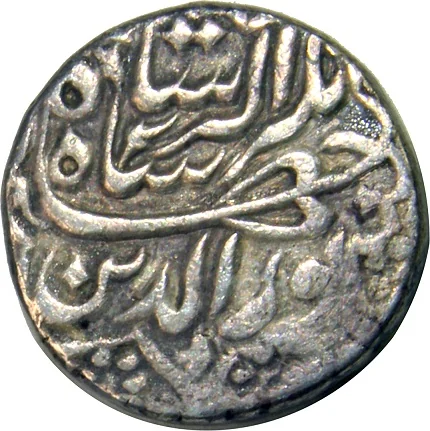
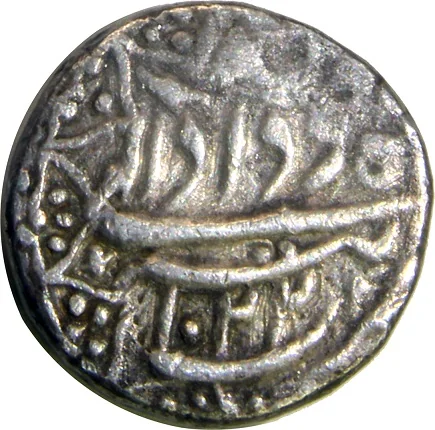
1 Rupee – Mughal Empire
India
Context
Years: 1611–1628
Country: India 
Issuer: Mughal Empire
Ruler: Jahangir I
Currency:
(1540—1842)
Demonetized: Yes
Material
References
KM: #Click to copy to clipboard145.17
Numista: #65316
Value
Bullion value: $32.49
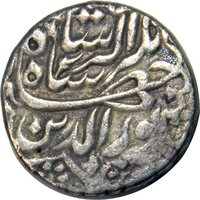
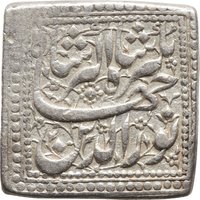
Obverse
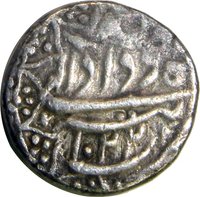
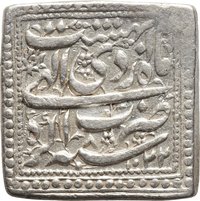
Reverse
Description:
AH Date
Inscription:
۱۰۲۲
Edge
Plain
Mintings
| Year | Mint Mark | Mintage | Quality | Collection |
|---|---|---|---|---|
| 1611 | — | — | ||
| 1612 | — | — | ||
| 1613 | — | — | ||
| 1614 | — | — | ||
| 1615 | — | — | ||
| 1616 | — | — | ||
| 1617 | — | — | ||
| 1618 | — | — | ||
| 1619 | — | — | ||
| 1620 | — | — | ||
| 1625 | — | — | ||
| 1626 | — | — | ||
| 1628 | — | — |
Historical background
In 1611, the Mughal Empire's currency system was a well-established and sophisticated bimetallic structure, operating under the reign of Emperor Jahangir. The system was centrally controlled from the imperial mints (dar-ul-zarb), with the silver rupee and the gold mohur as the primary coins. The rupee, struck from high-purity silver, was the dominant currency for revenue collection, large-scale trade, and state expenditure, while the gold mohur served more as a store of value and for ceremonial purposes. Copper dams formed the essential fractional currency for daily market transactions among the common people. This tri-metallic system, inherited and refined from the reforms of Emperor Akbar, ensured a stable and widely accepted medium of exchange across the vast empire.
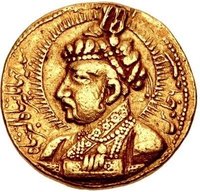
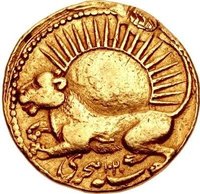
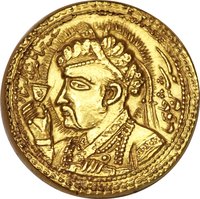
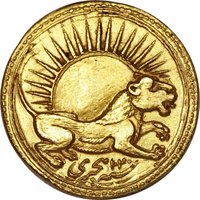
The year 1611 falls within a period of notable monetary experimentation under Jahangir, who had a personal interest in numismatics. Most famously, he had begun issuing the highly distinctive "Nur Jahan" coin series around 1611, featuring the name of his beloved wife, Mehr-un-Nissa (later titled Nur Jahan), alongside his own—an unprecedented act in Mughal history. Furthermore, Jahangir was known for issuing ornate "picture mohurs" and "picture rupees" bearing zodiacal symbols and even his own portrait, breaking from the traditional Islamic prohibition of figural representation on currency. These issues, however, were largely commemorative and did not disrupt the standard monetary system used in the empire's economy.
Economically, the currency's stability was underpinned by the empire's immense wealth, particularly the steady inflow of New World silver via European trade at Surat and other ports. This bullion helped maintain the rupee's purity and weight, which were crucial for both domestic confidence and international trade. The system faced no major crisis in 1611, operating efficiently to facilitate agricultural revenue collection, fund the lavish imperial court and military, and support the vibrant commercial networks linking India to Central Asia, the Middle East, and the maritime world.
The year 1611 falls within a period of notable monetary experimentation under Jahangir, who had a personal interest in numismatics. Most famously, he had begun issuing the highly distinctive "Nur Jahan" coin series around 1611, featuring the name of his beloved wife, Mehr-un-Nissa (later titled Nur Jahan), alongside his own—an unprecedented act in Mughal history. Furthermore, Jahangir was known for issuing ornate "picture mohurs" and "picture rupees" bearing zodiacal symbols and even his own portrait, breaking from the traditional Islamic prohibition of figural representation on currency. These issues, however, were largely commemorative and did not disrupt the standard monetary system used in the empire's economy.
Economically, the currency's stability was underpinned by the empire's immense wealth, particularly the steady inflow of New World silver via European trade at Surat and other ports. This bullion helped maintain the rupee's purity and weight, which were crucial for both domestic confidence and international trade. The system faced no major crisis in 1611, operating efficiently to facilitate agricultural revenue collection, fund the lavish imperial court and military, and support the vibrant commercial networks linking India to Central Asia, the Middle East, and the maritime world.
✨ Legendary