

1 rupee – Awadh
Add to wishlist
India
Context
Years: 1786–1818
Country: India
Issuer: Awadh
Ruler: Shah Alam II
Currency:
(1605—1857)
Demonetized: Yes
Material
References
KM: #
Numista: #65310
Value
Bullion value: $27.81
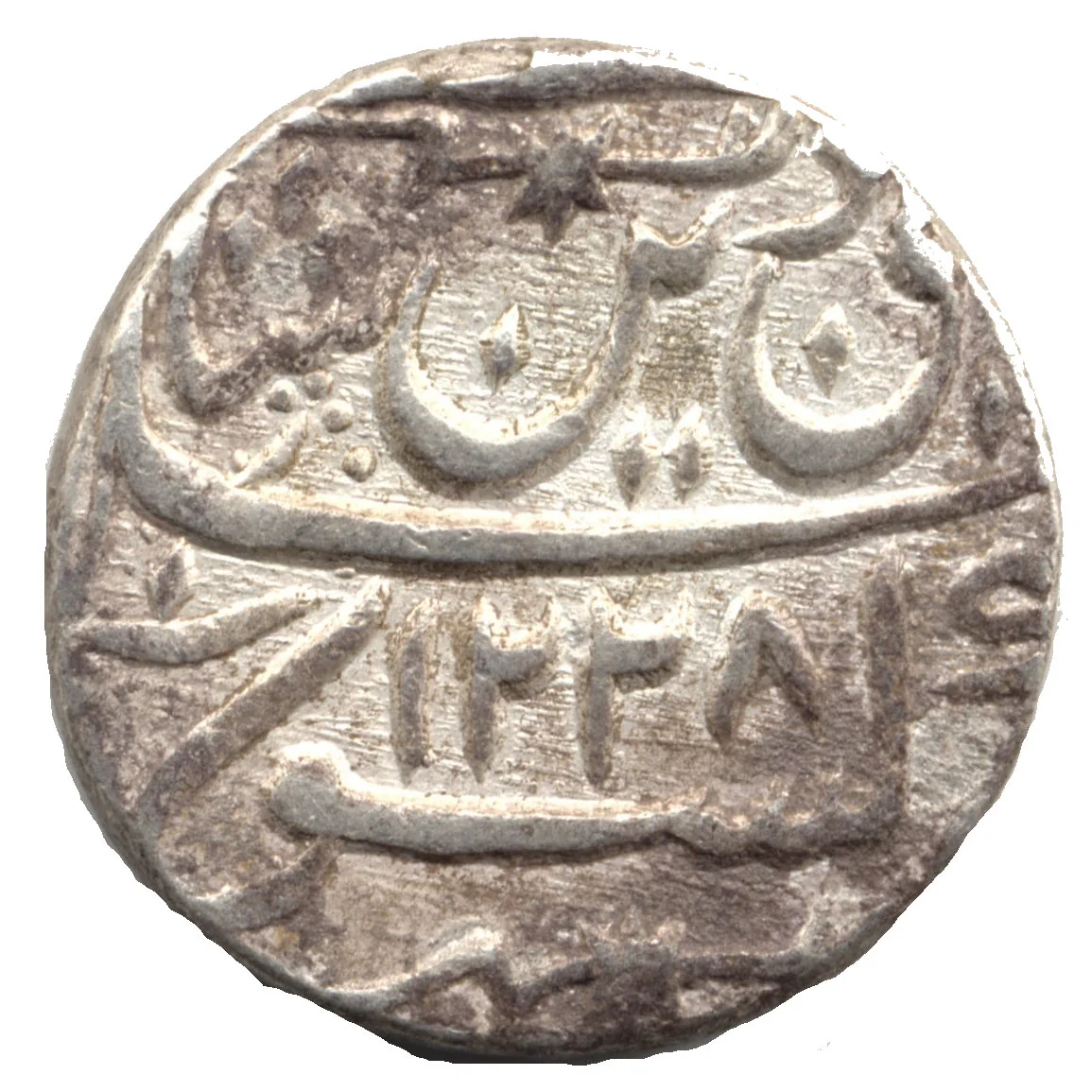
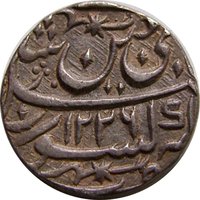
Obverse
Description:
Star, date inscription.
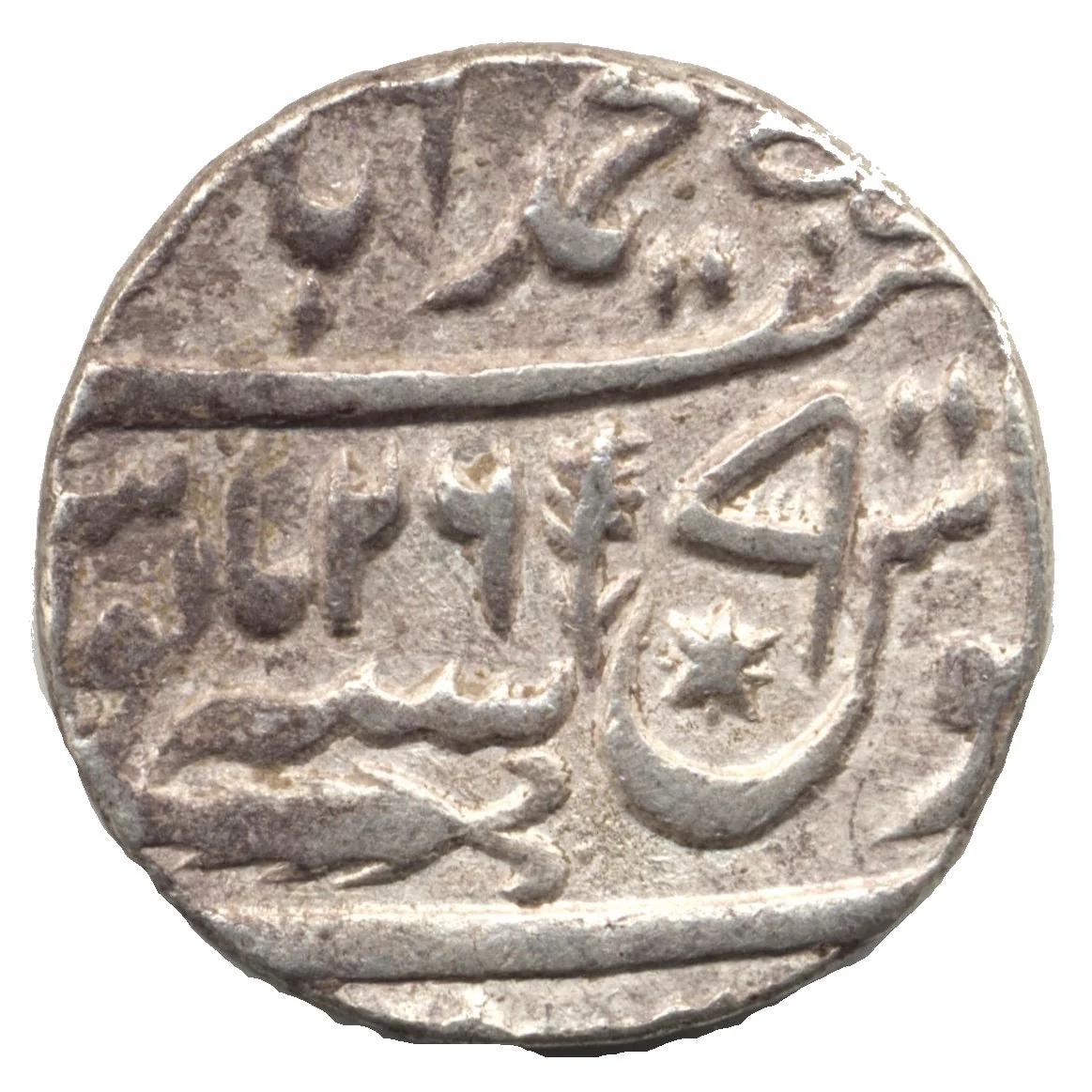
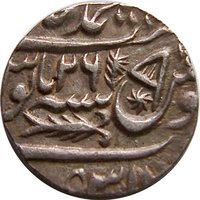
Reverse
Description:
26th regnal year, mint mark: Flag, star, fish
Edge
Rough
Mintings
| Year | Mint Mark | Mintage | Quality | Collection |
|---|---|---|---|---|
| 1786 | — | — | ||
| 1787 | — | — | ||
| 1788 | — | — | ||
| 1789 | — | — | ||
| 1790 | — | — | ||
| 1791 | — | — | ||
| 1792 | — | — | ||
| 1793 | — | — | ||
| 1794 | — | — | ||
| 1795 | — | — | ||
| 1796 | — | — | ||
| 1797 | — | — | ||
| 1798 | — | — | ||
| 1799 | — | — | ||
| 1800 | — | — | ||
| 1801 | — | — | ||
| 1802 | — | — | ||
| 1803 | — | — | ||
| 1804 | — | — | ||
| 1805 | — | — | ||
| 1806 | — | — | ||
| 1806 | — | — | ||
| 1807 | — | — | ||
| 1808 | — | — | ||
| 1809 | — | — | ||
| 1810 | — | — | ||
| 1811 | — | — | ||
| 1812 | — | — | ||
| 1813 | — | — | ||
| 1814 | — | — | ||
| 1815 | — | — | ||
| 1816 | — | — | ||
| 1817 | — | — | ||
| 1818 | — | — |
Historical background
In 1786, the currency situation in Awadh was characterized by significant instability and complexity, reflecting the broader political and economic pressures on the Nawabi state. The primary circulating currency was the silver rupee, but its value and purity were inconsistent due to the proliferation of mints operated by local zamindars and chieftains beyond the direct control of the Nawab in Lucknow. This resulted in a multitude of different rupees of varying weight and fineness circulating simultaneously, creating confusion for trade and taxation. Furthermore, the regional economy was still grappling with the aftermath of the devastating famine of 1784-85, which had severely contracted the money supply and agricultural revenue, weakening the state's fiscal foundation.
Compounding these internal issues was the overwhelming influence of the British East India Company, which, under the Treaty of Faizabad (1775), stationed a subsidiary force in Awadh that the Nawab was obligated to pay for. By 1786, Nawab Asaf-ud-Daula was deeply in arrears on these payments, leading to immense pressure from the Company's Resident to extract greater revenue. This often forced the Nawab to resort to debasement of currency—reducing the silver content in coins minted in state-controlled mints—as a short-term method to meet his crippling obligations. Consequently, confidence in the official rupee was eroded, and exchange rates between different coin types became highly volatile.
The monetary chaos of 1786 was, therefore, a direct symptom of Awadh's semi-sovereign status. It was caught between the decay of its own administrative control over minting and the relentless financial demands of an increasingly predatory Company. The inability to standardize currency undermined both commerce and state income, creating a vicious cycle of debt and debasement that would only deepen in the coming decades, ultimately facilitating the Company's complete political and economic takeover.
Compounding these internal issues was the overwhelming influence of the British East India Company, which, under the Treaty of Faizabad (1775), stationed a subsidiary force in Awadh that the Nawab was obligated to pay for. By 1786, Nawab Asaf-ud-Daula was deeply in arrears on these payments, leading to immense pressure from the Company's Resident to extract greater revenue. This often forced the Nawab to resort to debasement of currency—reducing the silver content in coins minted in state-controlled mints—as a short-term method to meet his crippling obligations. Consequently, confidence in the official rupee was eroded, and exchange rates between different coin types became highly volatile.
The monetary chaos of 1786 was, therefore, a direct symptom of Awadh's semi-sovereign status. It was caught between the decay of its own administrative control over minting and the relentless financial demands of an increasingly predatory Company. The inability to standardize currency undermined both commerce and state income, creating a vicious cycle of debt and debasement that would only deepen in the coming decades, ultimately facilitating the Company's complete political and economic takeover.
💎 Very Rare