

1 Mohar – Patan Kingdom
Nepal
Context
Year: 1641
Nepal Sambat Year: 761
Country: Nepal 
Issuer: Patan Kingdom
Ruler: Siddhi Narasimha
Currency:
(1546—1932)
Demonetized: Yes
Material
References
KM: #Click to copy to clipboard301
Numista: #64349
Value
Bullion value: $13.21
Obverse
Description:
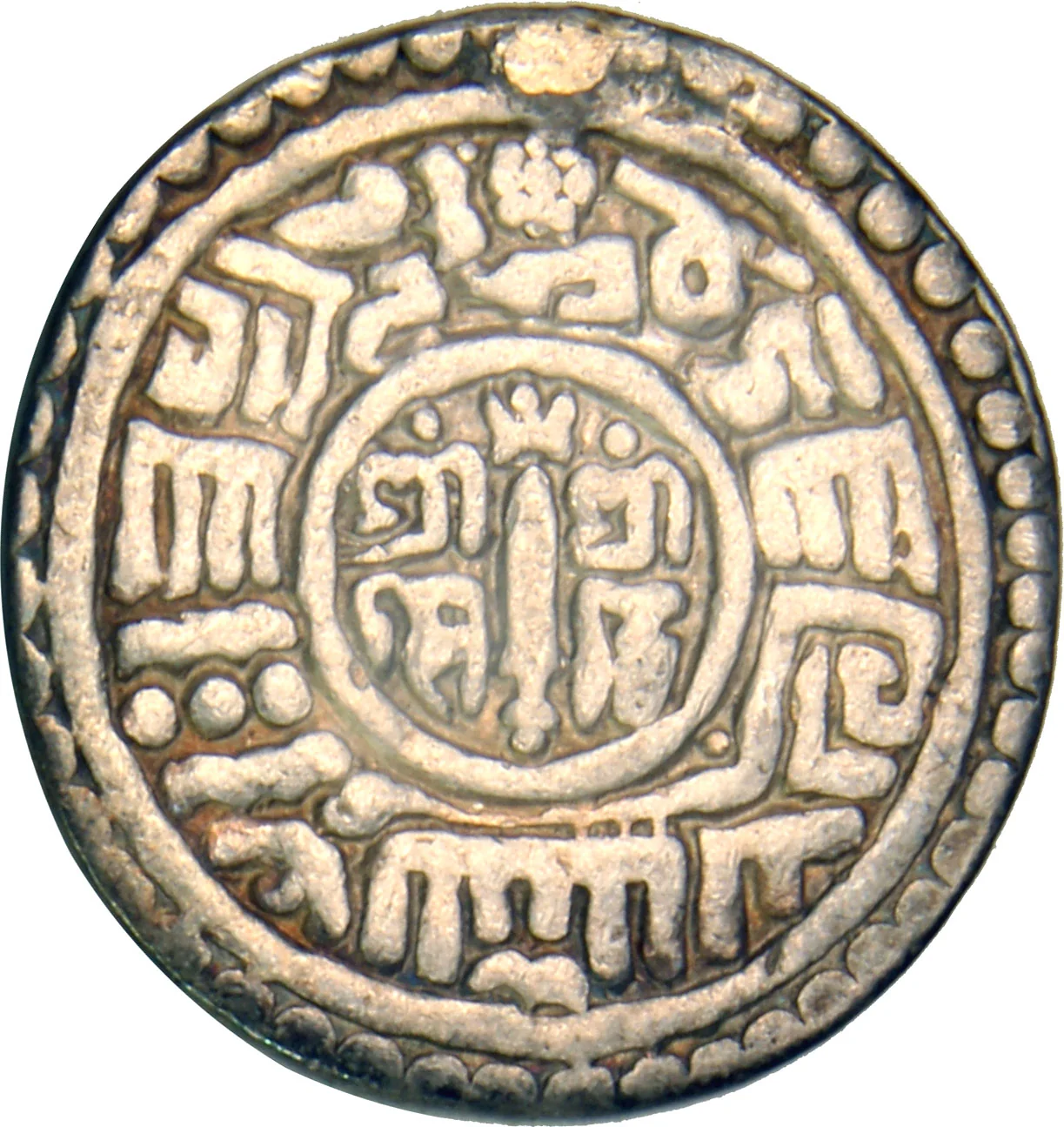
Sword encircled by "Shri Shri Siddhi."
Reverse
Description:
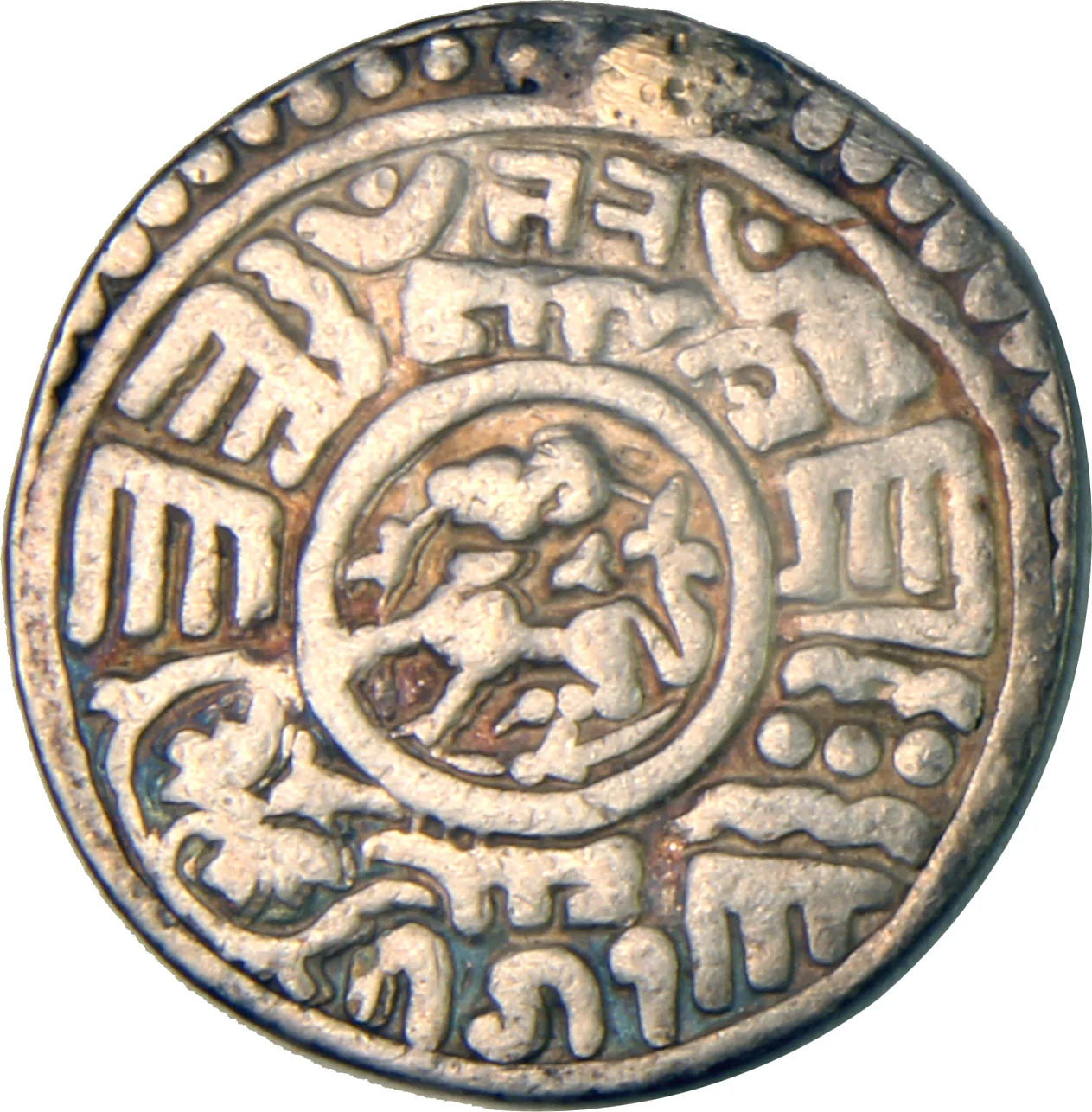
Lion center, "Nara" above.
Edge
Plain
Mintings
| Year | Mint Mark | Mintage | Quality | Collection |
|---|---|---|---|---|
| 1641 | — | — |
Historical background
In 1641, the Patan Kingdom (one of the three medieval Malla kingdoms in the Kathmandu Valley, now part of Nepal) operated within a complex and sophisticated monetary system. The kingdom did not mint its own coins independently; instead, it participated in a shared coinage tradition with its rival neighbors, Kathmandu and Bhadgaon. The silver Mohar was the principal coin, struck from a single mint in Kathmandu under an alternating triennial agreement. This meant that in certain years, the coins circulating in Patan, while bearing symbols of Shiva and the issuing king's name (likely Siddhi Narasimha Malla at this time), were actually minted in Kathmandu, creating an interdependent and often tense economic relationship.
The currency situation was further defined by a vibrant and crucial transnational trade. Patan, a major hub on the trans-Himalayan route between Tibet and India, saw a flood of foreign silver, particularly Tibetan dram and Indian rupees, entering its markets. These foreign coins circulated alongside the local mohars, requiring constant evaluation and exchange based on purity and weight. The economy was not purely monetary; barter, especially for agricultural produce, and the use of cowrie shells for smaller transactions remained common, creating a multi-layered system of value.
This monetary environment was under subtle strain. The shared minting system could lead to disputes over seigniorage and supply control. Furthermore, the influx of foreign silver, while lubricating trade, made the kingdom's economy sensitive to fluctuations in regional politics and trade routes. Thus, in 1641, Patan's currency was not an isolated system but a dynamic and vulnerable node within a wider South Asian economic network, balancing local tradition, cooperative yet competitive agreements with neighboring kingdoms, and the pressures of international commerce.
The currency situation was further defined by a vibrant and crucial transnational trade. Patan, a major hub on the trans-Himalayan route between Tibet and India, saw a flood of foreign silver, particularly Tibetan dram and Indian rupees, entering its markets. These foreign coins circulated alongside the local mohars, requiring constant evaluation and exchange based on purity and weight. The economy was not purely monetary; barter, especially for agricultural produce, and the use of cowrie shells for smaller transactions remained common, creating a multi-layered system of value.
This monetary environment was under subtle strain. The shared minting system could lead to disputes over seigniorage and supply control. Furthermore, the influx of foreign silver, while lubricating trade, made the kingdom's economy sensitive to fluctuations in regional politics and trade routes. Thus, in 1641, Patan's currency was not an isolated system but a dynamic and vulnerable node within a wider South Asian economic network, balancing local tradition, cooperative yet competitive agreements with neighboring kingdoms, and the pressures of international commerce.
💎 Extremely Rare