

½ riksdaler – Sweden
Add to wishlist
Sweden
Context
Years: 1723–1736
Issuer: Sweden
Ruler: Frederick I
Currency:
(1719—1798)
Demonetized: Yes
Total mintage: 6,673
Material
References
KM: #
Numista: #64155
Value
Bullion value: $32.57
Obverse
Description:
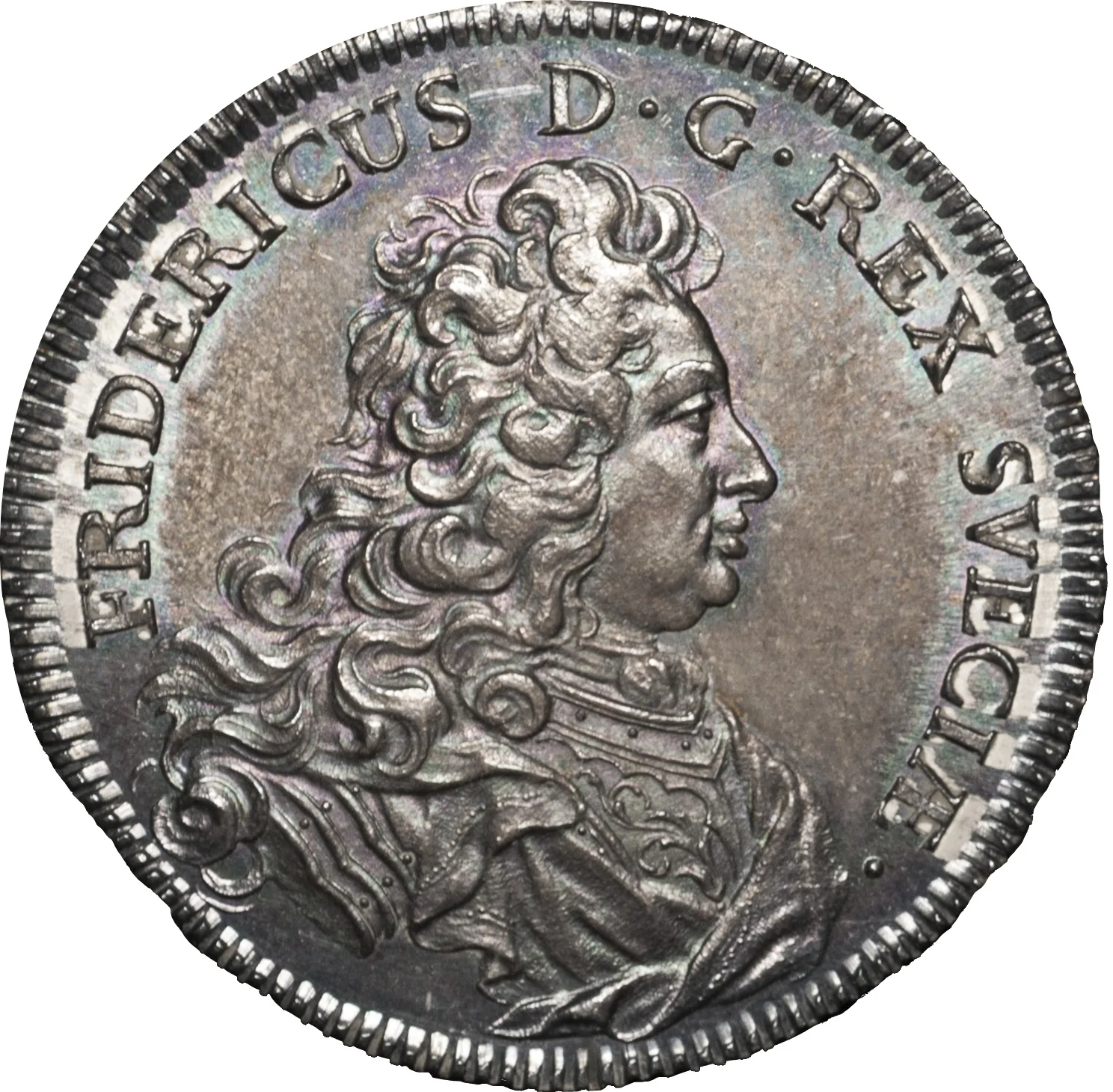
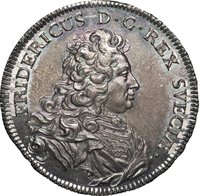
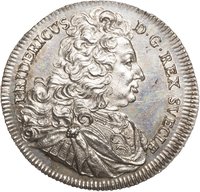
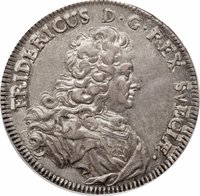
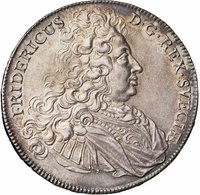
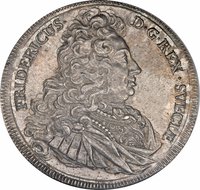
Bust of Frederick I with long curls, wearing pearled armor and a draped cloak. A continuous legend encircles the bust.
Inscription:
FRIDERICUS • D•G • REX • SVECIAE •
Reverse
Description:
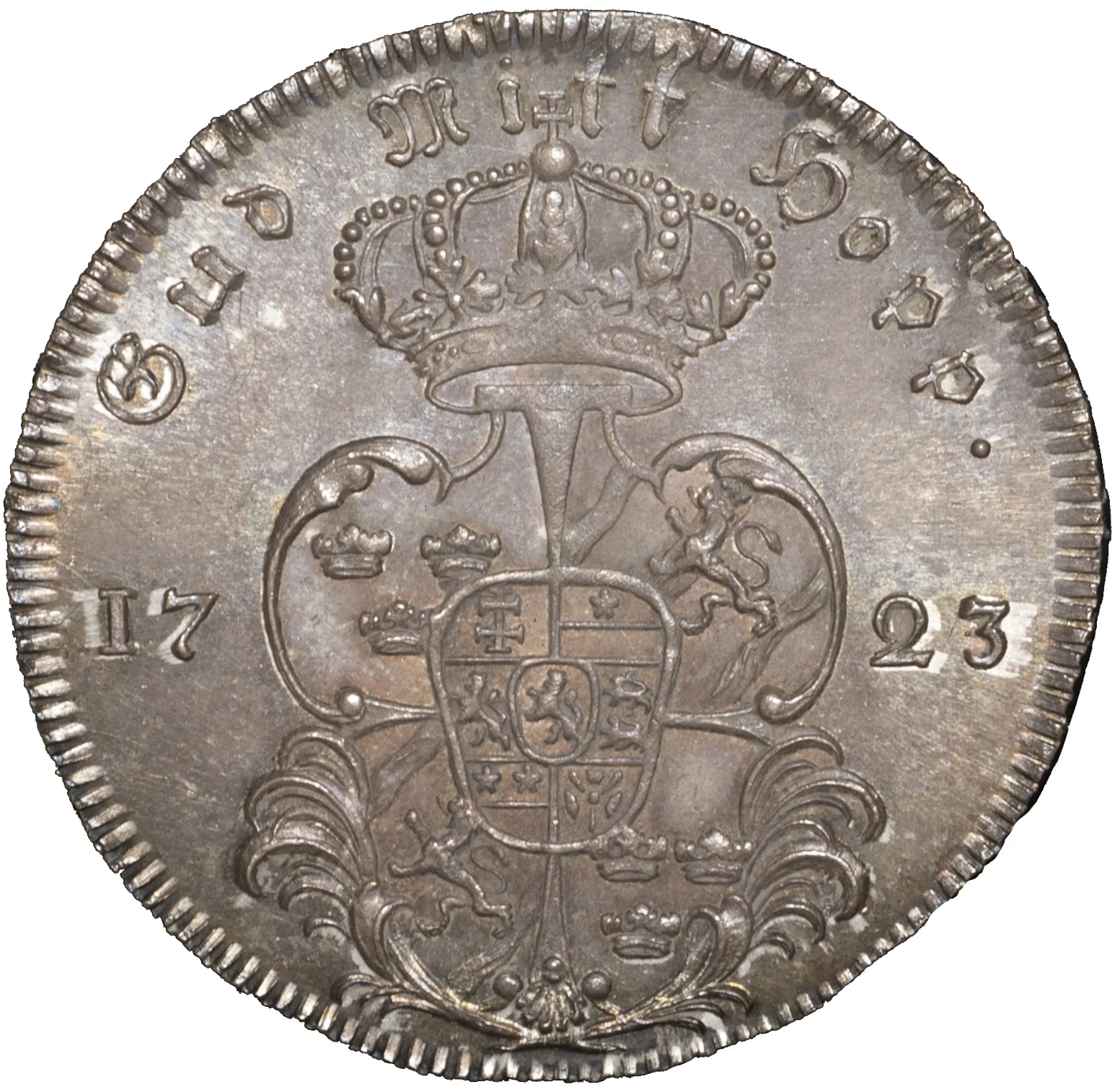
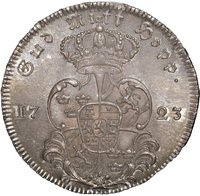
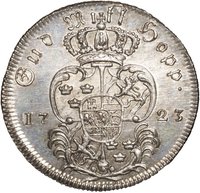
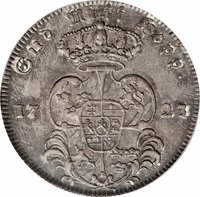
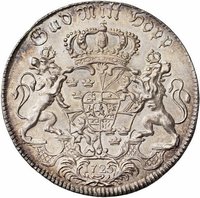
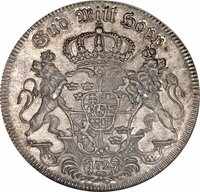
Sweden's crowned arms in a shield flank the date, with the King's motto above.
Inscription:
Gud Mitt Hopp .
1723
1723
Edge
Smooth with embossed lettering
Legend:
MANIBVS NE LAEDAR AVARIS
Categories
| Symbols> Coat of Arms |
Mintings
| Year | Mint Mark | Mintage | Quality | Collection |
|---|---|---|---|---|
| 1723 | — | 3,383 | ||
| 1724 | — | 1,482 | ||
| 1725 | — | — | ||
| 1726 | — | 1,808 | BU | |
| 1726 | — | — | ||
| 1733 | — | — | ||
| 1734 | — | — | ||
| 1736 | — | — |
Historical background
In 1723, Sweden was navigating the complex aftermath of the Great Northern War (1700–1721), a conflict that had left the kingdom financially exhausted and its monetary system in disarray. The war effort had been funded largely through the heavy debasement of the copper-based currency, leading to severe inflation and a loss of public confidence. The earlier system, where large copper plate money (plåtmynt) circulated alongside silver coins, had become cumbersome and unstable, with the intrinsic value of the metal in the coins often falling below their face value.
The immediate response to this crisis was the Monetary Decree of 1719, which aimed to stabilize the currency by introducing a new silver-based riksdaler. However, by 1723, this reform was proving difficult to implement fully. The state treasury was depleted, and there was a critical shortage of silver, forcing the continued circulation of debased and foreign coins. This created a dual system where the intended silver standard coexisted uneasily with the older, depreciated copper money, causing confusion in trade and fluctuating exchange rates.
Consequently, the currency situation in 1723 was one of fragile transition and persistent strain. The government under King Frederick I was attempting to enforce a stable silver standard, but economic reality lagged behind policy. The lack of precious metals, coupled with a slow post-war recovery, meant that monetary instability remained a daily fact of life for Swedes, hindering commerce and posing a significant challenge to national reconstruction. The period set the stage for more comprehensive, though not always successful, monetary reforms in the decades to follow.
The immediate response to this crisis was the Monetary Decree of 1719, which aimed to stabilize the currency by introducing a new silver-based riksdaler. However, by 1723, this reform was proving difficult to implement fully. The state treasury was depleted, and there was a critical shortage of silver, forcing the continued circulation of debased and foreign coins. This created a dual system where the intended silver standard coexisted uneasily with the older, depreciated copper money, causing confusion in trade and fluctuating exchange rates.
Consequently, the currency situation in 1723 was one of fragile transition and persistent strain. The government under King Frederick I was attempting to enforce a stable silver standard, but economic reality lagged behind policy. The lack of precious metals, coupled with a slow post-war recovery, meant that monetary instability remained a daily fact of life for Swedes, hindering commerce and posing a significant challenge to national reconstruction. The period set the stage for more comprehensive, though not always successful, monetary reforms in the decades to follow.
Series: 1723 Sweden circulation coins
✨ Legendary