

Iran
Context

Material
Weight: 16.99 g
Silver weight: 16.99 g
Shape: Irregular round
Composition: Silver
Magnetic: No
Technique: Hammered
Alignment: Coin alignment
flip
References
KM: #Click to copy to clipboard214
Numista: #63950
Value
Bullion value: $49.08
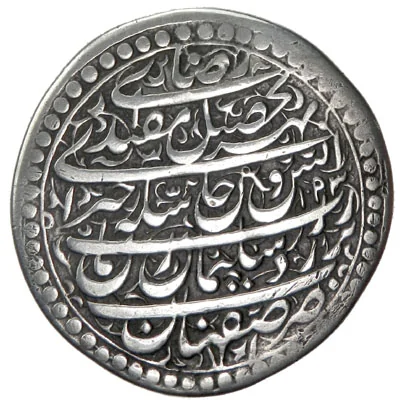
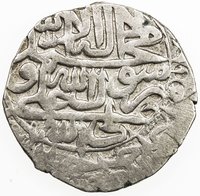
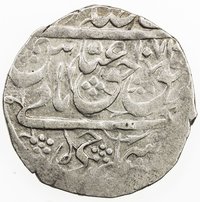
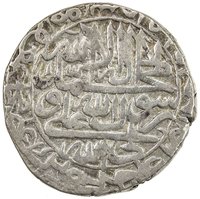
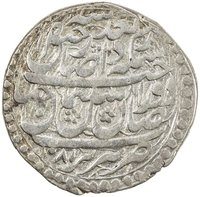
Obverse
Inscription:
بهر تحصیل رضای مقتدای انس و جان
سکه خیرات بر زر زد سلیمان زمان
ضرب اصفهان
۱۰۹۳
سکه خیرات بر زر زد سلیمان زمان
ضرب اصفهان
۱۰۹۳
Script: Persian
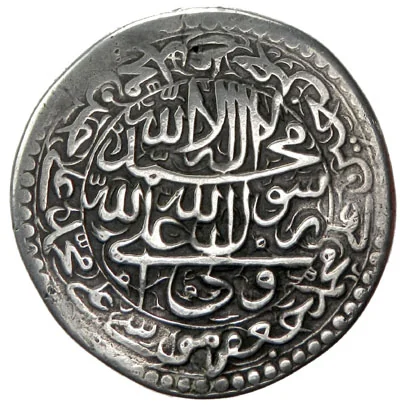
Reverse
Inscription:
لا اله الا الله
محمد رسول الله
علی ولی الله
علی حسن حسین علی محمد جعفر موسی علی محمد علی حسن محمد
محمد رسول الله
علی ولی الله
علی حسن حسین علی محمد جعفر موسی علی محمد علی حسن محمد
Script: Persian
Edge
Plain
Mints
| Name | Mark |
|---|---|
| Isfahan | اصفهان |
Mintings
| Year | Mint Mark | Mintage | Quality | Collection |
|---|---|---|---|---|
| 1669 | — | — | ||
| 1671 | — | — | ||
| 1672 | — | — | ||
| 1676 | — | — | ||
| 1679 | — | — | ||
| 1682 | — | — | ||
| 1683 | — | — |
Historical background
In 1669, Iran under the Safavid dynasty (1501–1736) operated on a bimetallic monetary system centered on silver abbasis and gold tumans, though silver was the principal metal for everyday trade. The currency faced significant challenges due to a chronic shortage of precious metals within Iran's domestic mines, making the state heavily reliant on imported bullion. This inflow depended on volatile long-distance trade routes, particularly the export of silk to Europe and the Ottoman Empire, and the arrival of New World silver via the Ottoman and Mughal empires. Any disruption to this trade could quickly trigger a monetary crisis.
The reign of Shah Soleiman (1666–1694) was marked by administrative complacency and fiscal strain, which directly impacted the coinage. A key problem was the widespread practice of clipping and debasement, where coins were either physically trimmed of their precious metal or officially minted with a lower silver or gold content than proclaimed. This led to a proliferation of underweight and counterfeit coins in circulation, causing confusion in markets and a loss of public trust in the currency's value. The government's own need for revenue often drove debasement, creating inflation that particularly harmed soldiers and officials on fixed salaries.
Consequently, the monetary situation in 1669 was one of underlying fragility masked by relative political stability. While not in a state of catastrophic collapse, the system was eroding from within due to structural deficits and poor fiscal management. The resulting instability in coin values complicated taxation and commercial transactions, imposing an invisible tax on the economy and weakening the financial foundations of the Safavid state at a time when its central authority was beginning to soften.
The reign of Shah Soleiman (1666–1694) was marked by administrative complacency and fiscal strain, which directly impacted the coinage. A key problem was the widespread practice of clipping and debasement, where coins were either physically trimmed of their precious metal or officially minted with a lower silver or gold content than proclaimed. This led to a proliferation of underweight and counterfeit coins in circulation, causing confusion in markets and a loss of public trust in the currency's value. The government's own need for revenue often drove debasement, creating inflation that particularly harmed soldiers and officials on fixed salaries.
Consequently, the monetary situation in 1669 was one of underlying fragility masked by relative political stability. While not in a state of catastrophic collapse, the system was eroding from within due to structural deficits and poor fiscal management. The resulting instability in coin values complicated taxation and commercial transactions, imposing an invisible tax on the economy and weakening the financial foundations of the Safavid state at a time when its central authority was beginning to soften.
✨ Legendary