

Iran
Context
Year: 1670
Islamic (Hijri) Year: 1081
Issuer: Iran 
Ruler: Suleiman I
Currency:
(1501—1798)
Demonetized: Yes
Material
Diameter: 22 mm
Weight: 7.39 g
Silver weight: 7.39 g
Shape: Irregular round
Composition: Silver
Magnetic: No
Technique: Hammered
References
KM: #Click to copy to clipboard213
Numista: #465700
Value
Bullion value: $21.37
Obverse
Description:
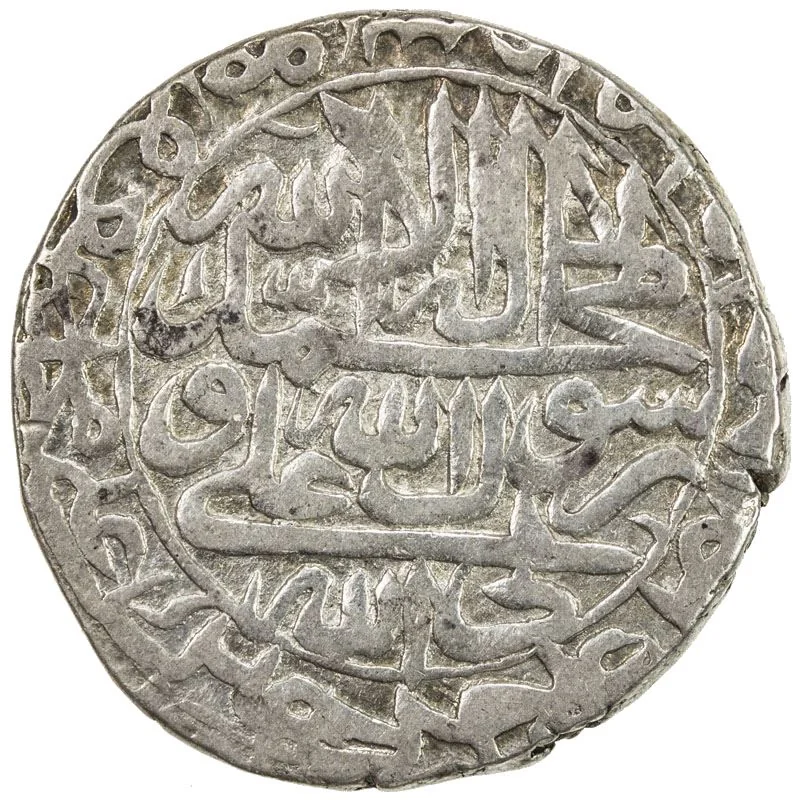
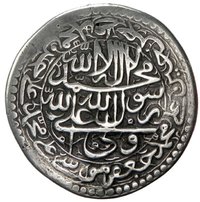
Shi'a Kalima encircled by the names of the Twelve Imams.
Inscription:
لا اله الا الله/محمد رسول الله/علی ولی الله
علی حسن حسین علی محمد جعفر موسی علی محمد علی حسن محمد
علی حسن حسین علی محمد جعفر موسی علی محمد علی حسن محمد
Reverse
Description:
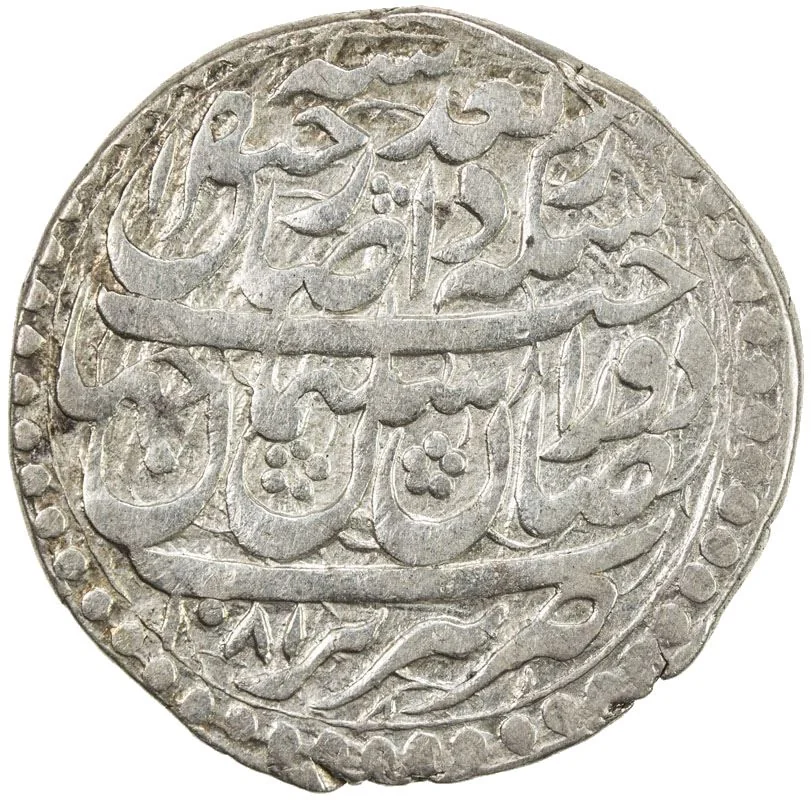
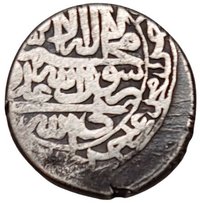
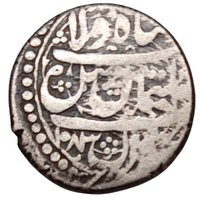
Royal inscription ringed by dots.
Inscription:
زد از توفیق الله سکه صاحبقران
صاحب دوران سلیمان جهان
١٠۸۱ ضرب تبریز
صاحب دوران سلیمان جهان
١٠۸۱ ضرب تبریز
Script: Persian
Edge
Mints
| Name | Mark |
|---|---|
| Tebriz | تبریز |
Mintings
| Year | Mint Mark | Mintage | Quality | Collection |
|---|---|---|---|---|
| 1670 | — | — |
Historical background
In the late 17th century, Iran under the Safavid dynasty (1501–1736) faced a complex and deteriorating currency situation, symptomatic of broader economic strains. The primary circulating coin was the silver abbasi (worth 200 dinars), alongside the gold toman (a money of account equal to 10,000 dinars) and copper fulus for small-scale trade. However, the period was marked by severe debasement, as the state, often financially pressured by costly military campaigns, administrative costs, and court extravagance, systematically reduced the silver content of its coinage to create short-term revenue. This practice, while filling the royal treasury, eroded public trust in the currency's intrinsic value.
The debasement was exacerbated by a chronic shortage of precious metals, particularly American silver which flowed into rival empires like the Ottomans but often bypassed Iran. Furthermore, the country suffered from a significant trade imbalance with neighboring India. Iranian silver coins, already weakened, were exported in large quantities to pay for coveted Indian goods like textiles and spices, draining bullion from the economy. This "bullion drain" further reduced the material available for minting sound currency, creating a vicious cycle of scarcity and devaluation.
The consequences were felt across society. The unreliable currency disrupted long-distance trade and market transactions, as merchants and traders struggled with fluctuating values and the hassle of weighing and assaying coins rather than counting them at face value. Internally, it contributed to price inflation and economic uncertainty, placing a burden on the populace and soldiers paid in devalued coin. While not yet catastrophic in 1670, these monetary weaknesses were a persistent undercurrent, undermining the economic foundations of the Safavid state and foreshadowing the more profound crises that would contribute to the empire's collapse in the 1720s.
The debasement was exacerbated by a chronic shortage of precious metals, particularly American silver which flowed into rival empires like the Ottomans but often bypassed Iran. Furthermore, the country suffered from a significant trade imbalance with neighboring India. Iranian silver coins, already weakened, were exported in large quantities to pay for coveted Indian goods like textiles and spices, draining bullion from the economy. This "bullion drain" further reduced the material available for minting sound currency, creating a vicious cycle of scarcity and devaluation.
The consequences were felt across society. The unreliable currency disrupted long-distance trade and market transactions, as merchants and traders struggled with fluctuating values and the hassle of weighing and assaying coins rather than counting them at face value. Internally, it contributed to price inflation and economic uncertainty, placing a burden on the populace and soldiers paid in devalued coin. While not yet catastrophic in 1670, these monetary weaknesses were a persistent undercurrent, undermining the economic foundations of the Safavid state and foreshadowing the more profound crises that would contribute to the empire's collapse in the 1720s.
✨ Legendary