

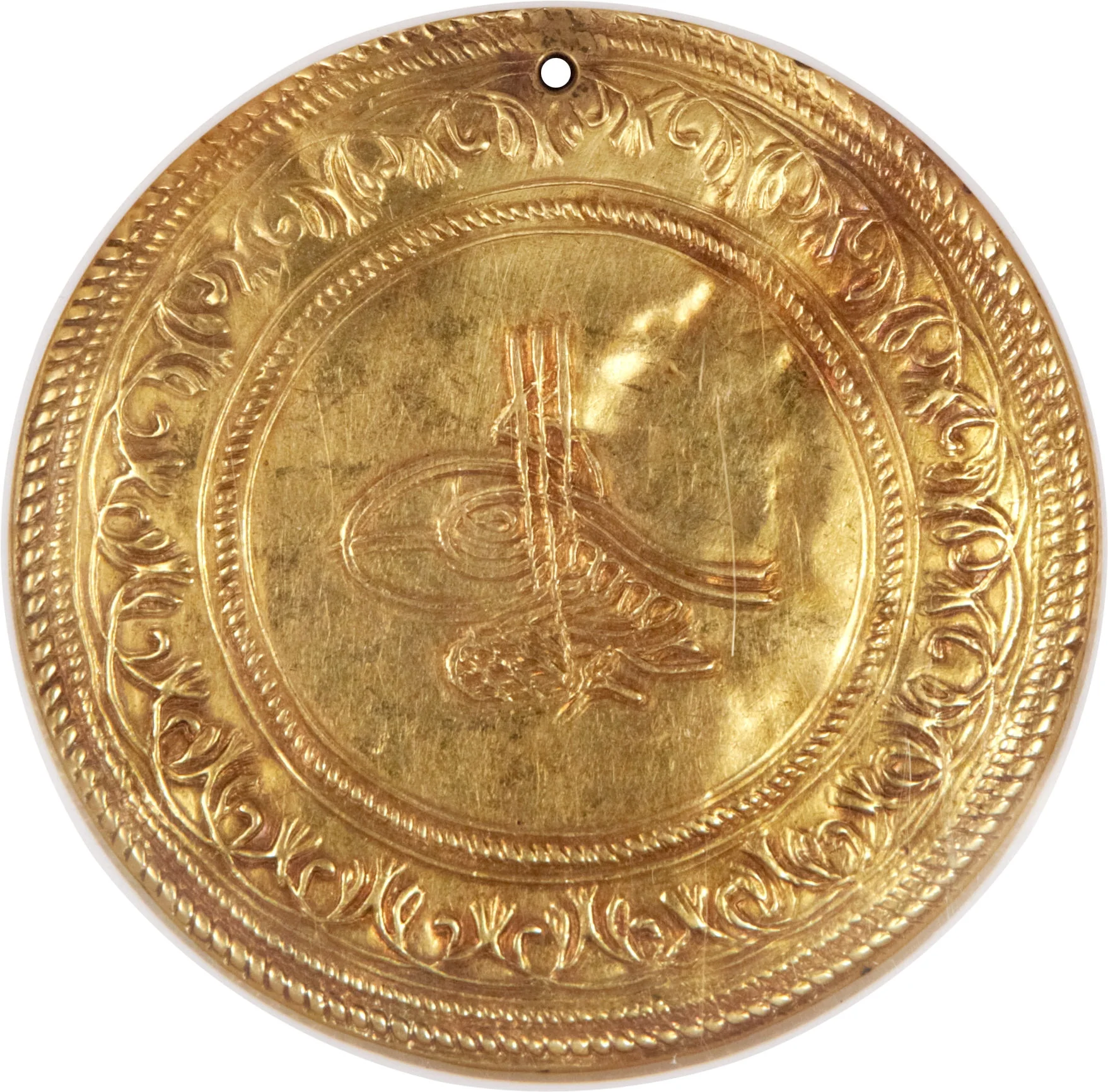
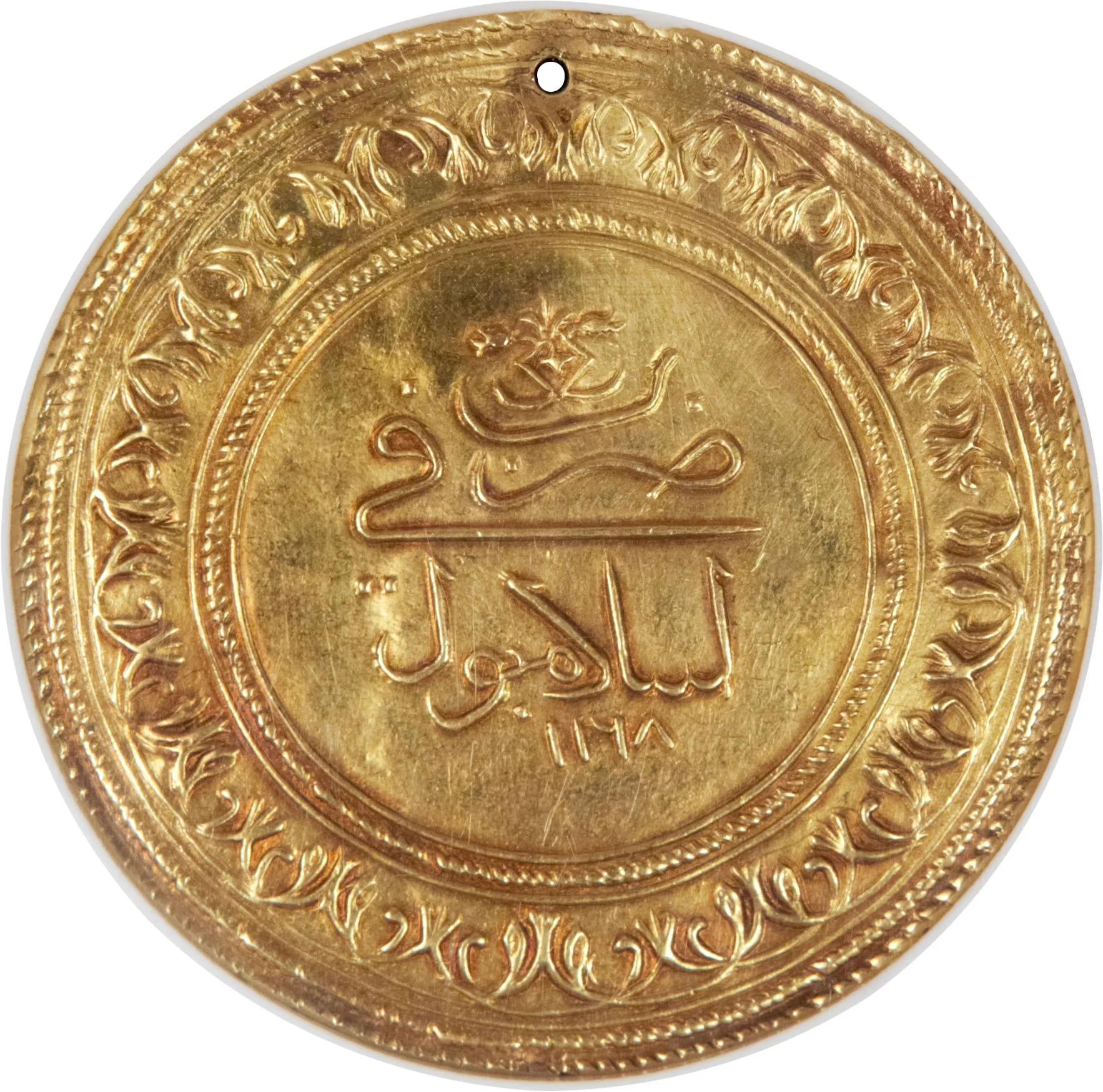
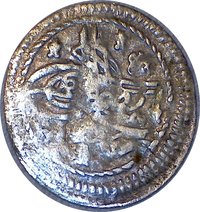
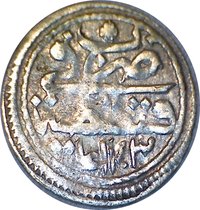
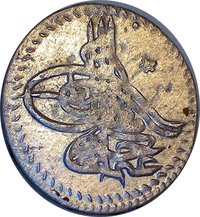
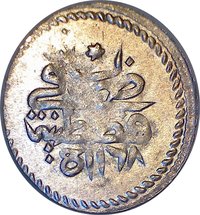
5 Findik – Ottoman Empire
Turkey
Context
Years: 1754–1757
Country: Turkey 
Issuer: Ottoman Empire
Ruler: Osman III
Currency:
(1688—1844)
Demonetized: Yes
Material
References
KM: #Click to copy to clipboard283
Numista: #62671
Value
Bullion value: $2883.77
Mints
| Name | Mark |
|---|---|
| Constantinople | — |
Mintings
| Year | Mint Mark | Mintage | Quality | Collection |
|---|---|---|---|---|
| — | 4 | — |
Historical background
In 1754, the Ottoman Empire’s currency system was in a state of profound strain, caught between the legacy of a once-stable monetary tradition and the relentless pressures of a changing global economy. The empire’s financial health was intrinsically tied to the silver akçe and the gold sultani, but the cornerstone of daily commerce was the kuruş (piastre), a large silver coin. However, chronic budget deficits, driven by costly military campaigns, administrative decentralization, and a sprawling bureaucracy, forced the state to repeatedly debase the coinage. This meant reducing the precious metal content in coins while maintaining their face value, a short-term fiscal fix that eroded public trust and triggered inflation.
This period was marked by a chaotic multiplicity of coins in circulation. Alongside debased Ottoman issues, a flood of foreign currency—particularly European silver thalers like the Austrian Maria Theresa thaler and Dutch lion dollars—circulated widely, especially in international trade. These foreign coins were often preferred for their reliable silver content, undermining the authority of the imperial mint. The situation was further complicated by the practice of "money-farming" (iltizam), where provincial governors and tax farmers, operating with significant autonomy, often manipulated local currency exchange rates for personal profit, creating a disjointed and unpredictable monetary landscape across the provinces.
Consequently, the monetary instability of 1754 was more than a financial technicality; it was a symptom of the empire’s struggle to adapt. The erosion of a uniform, trusted currency disrupted commerce, complicated tax collection, and created economic uncertainty for both the state and its subjects. This environment of financial weakness limited the central government's capacity to fund reforms or project power, embedding a cycle of fiscal shortfalls and monetary degradation that would challenge the empire for decades to come.
This period was marked by a chaotic multiplicity of coins in circulation. Alongside debased Ottoman issues, a flood of foreign currency—particularly European silver thalers like the Austrian Maria Theresa thaler and Dutch lion dollars—circulated widely, especially in international trade. These foreign coins were often preferred for their reliable silver content, undermining the authority of the imperial mint. The situation was further complicated by the practice of "money-farming" (iltizam), where provincial governors and tax farmers, operating with significant autonomy, often manipulated local currency exchange rates for personal profit, creating a disjointed and unpredictable monetary landscape across the provinces.
Consequently, the monetary instability of 1754 was more than a financial technicality; it was a symptom of the empire’s struggle to adapt. The erosion of a uniform, trusted currency disrupted commerce, complicated tax collection, and created economic uncertainty for both the state and its subjects. This environment of financial weakness limited the central government's capacity to fund reforms or project power, embedding a cycle of fiscal shortfalls and monetary degradation that would challenge the empire for decades to come.
✨ Legendary