

Iran

Material
Weight: 7.68 g
Silver weight: 7.68 g
Shape: Irregular round
Composition: Silver
Standard: Silver quarter ounce
Magnetic: No
Technique: Hammered
References
KM: #Click to copy to clipboard142.2
Numista: #62434
Value
Bullion value: $21.83
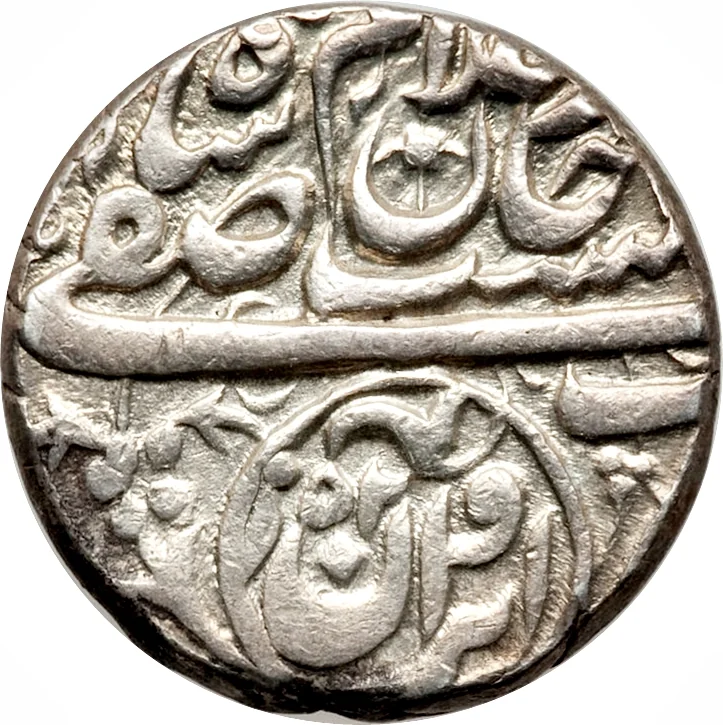
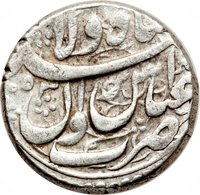
Obverse
Inscription:
هست از جان غلام شاه صفی
ایروان
۱۰٥۲
ایروان
۱۰٥۲
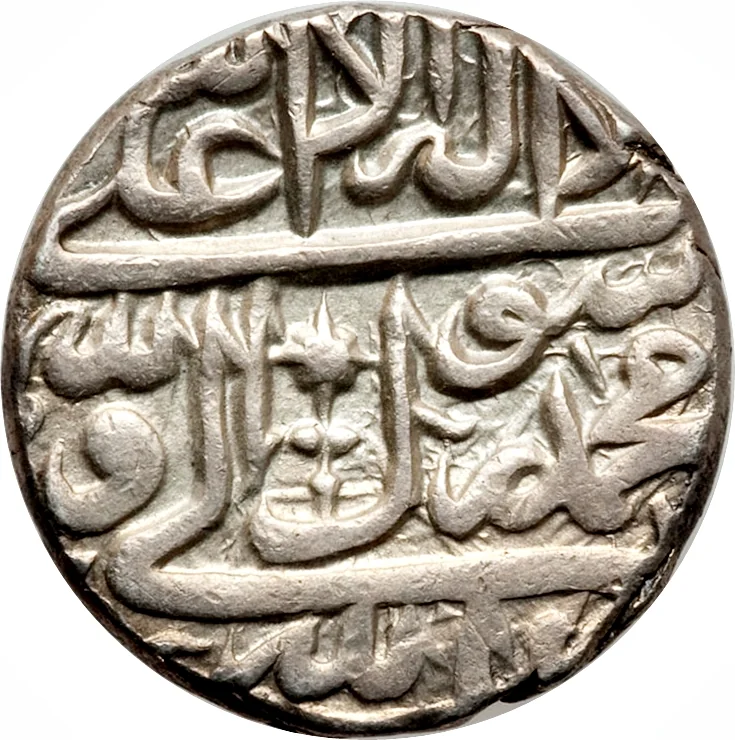
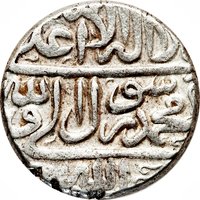
Reverse
Inscription:
لا اله الا الله
محمد رسول الله
علی ولی الله
محمد رسول الله
علی ولی الله
Edge
Plain
Mints
| Name | Mark |
|---|---|
| Revan | ایروان |
Mintings
| Year | Mint Mark | Mintage | Quality | Collection |
|---|---|---|---|---|
| 1641 | — | — | ||
| 1642 | — | — | ||
| 1643 | — | — |
Historical background
In 1641, the Safavid Empire under Shah Safi I faced significant currency instability rooted in the long-term economic policies of his predecessor, Shah Abbas I (r. 1588-1629). While Abbas's reign was a golden age of political and commercial power, his extensive spending on infrastructure, the military, and the court, combined with a costly policy of forcibly relocating populations, drained the royal treasury. To meet these expenses, the state increasingly resorted to debasing the silver coinage, the primary currency of trade. The abbasi coin, the standard silver unit, saw its silver content systematically reduced, being mixed with copper to create more coins from the same bullion reserves, a process that eroded public trust and the coin's intrinsic value.
This monetary degradation intersected with a critical shortage of silver, a problem exacerbated by global economic shifts. The Safavid economy was heavily integrated into Eurasian trade networks, but the 17th century saw vast quantities of New World silver flowing into Europe and then onwards, often bypassing Iran for more direct routes to India. Furthermore, the empire ran a chronic trade deficit with Mughal India, paying for Indian goods in silver that did not return. This bullion drain, combined with the state's own debasement practices, created a severe scarcity of sound money, leading to price inflation, market confusion, and the circulation of underweight, clipped, and counterfeit coins.
The consequences in 1641 were tangible economic distress. The disparity between the official nominal value of coins and their market value based on metal content led to friction in daily transactions and long-distance trade. Merchants and money-changers had to constantly assay coins, complicating commerce. The situation strained the urban bazaars, the backbone of the Safavid economy, and undermined fiscal administration. While not yet a full-scale crisis, the currency weaknesses of 1641 were symptomatic of deeper structural issues that would contribute to the gradual economic and political decline of the Safavid state in the decades to follow.
This monetary degradation intersected with a critical shortage of silver, a problem exacerbated by global economic shifts. The Safavid economy was heavily integrated into Eurasian trade networks, but the 17th century saw vast quantities of New World silver flowing into Europe and then onwards, often bypassing Iran for more direct routes to India. Furthermore, the empire ran a chronic trade deficit with Mughal India, paying for Indian goods in silver that did not return. This bullion drain, combined with the state's own debasement practices, created a severe scarcity of sound money, leading to price inflation, market confusion, and the circulation of underweight, clipped, and counterfeit coins.
The consequences in 1641 were tangible economic distress. The disparity between the official nominal value of coins and their market value based on metal content led to friction in daily transactions and long-distance trade. Merchants and money-changers had to constantly assay coins, complicating commerce. The situation strained the urban bazaars, the backbone of the Safavid economy, and undermined fiscal administration. While not yet a full-scale crisis, the currency weaknesses of 1641 were symptomatic of deeper structural issues that would contribute to the gradual economic and political decline of the Safavid state in the decades to follow.
✨ Legendary