

4 Shahi – Iran
Iran
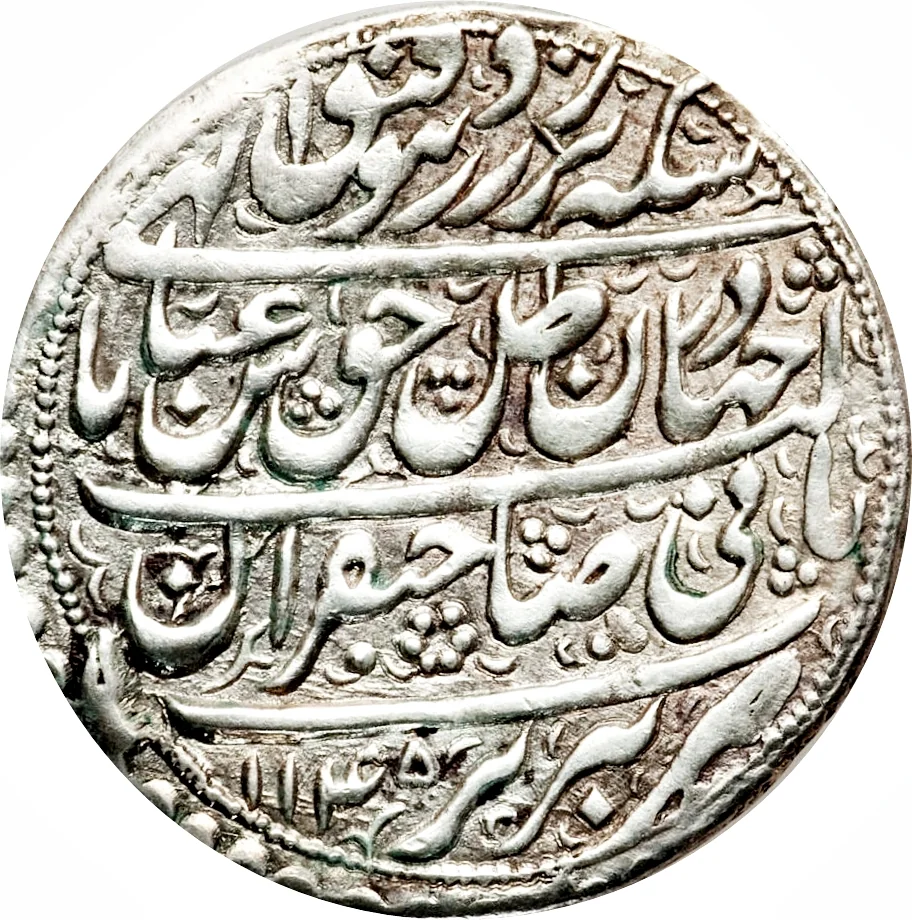
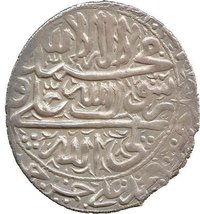
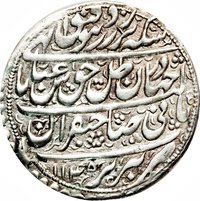
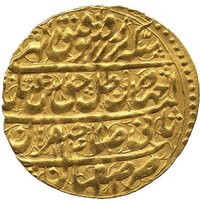
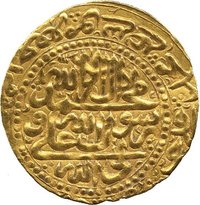
Obverse
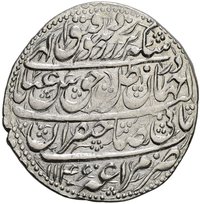
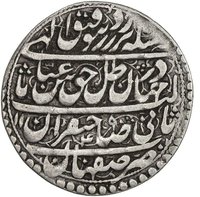
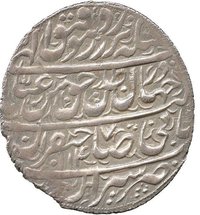
Inscription:
سکه بر زر زد بتوفیق الهی در جهان
ظل حق عباس ثالث ثانی صاحبقران
ضرب تبریز ۱۱۴۵
ظل حق عباس ثالث ثانی صاحبقران
ضرب تبریز ۱۱۴۵
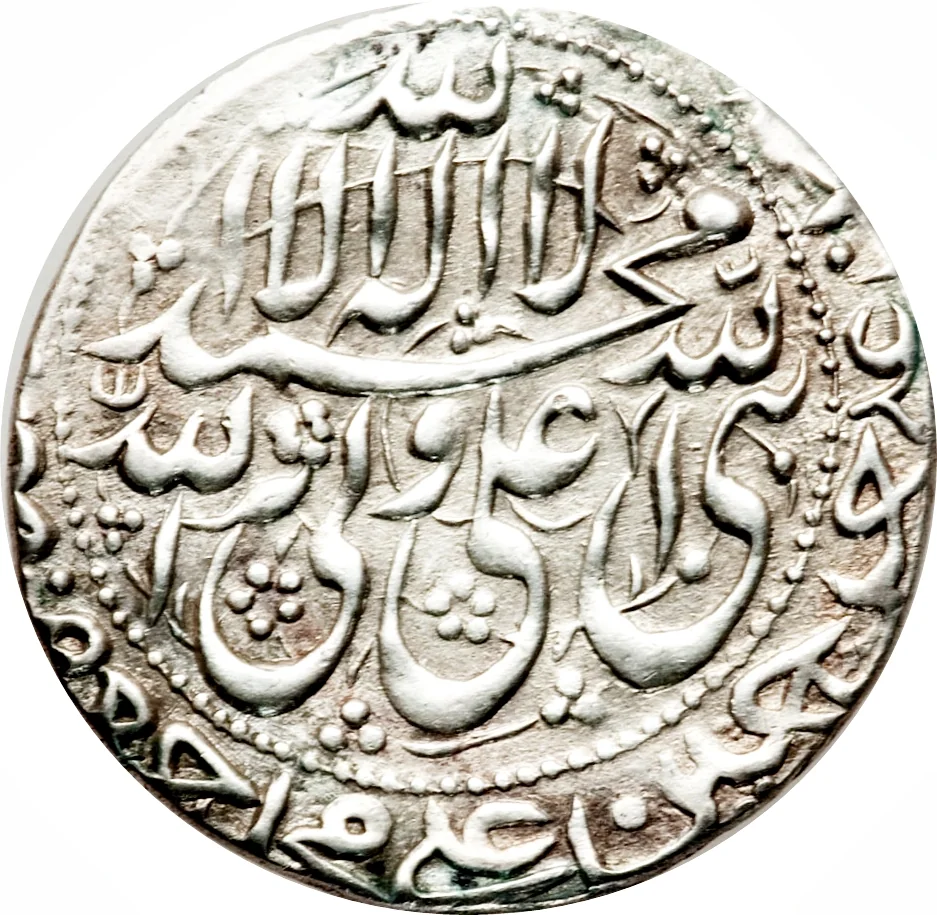
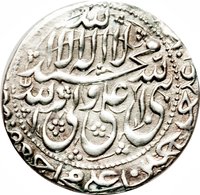
Reverse
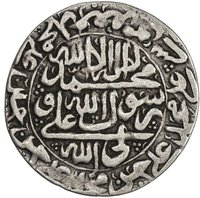
Inscription:
لا اله الا الله
محــــــــمد
نبی الله علی ولی الله
علی حسن حسین علی محمد جعفر موسی علی محمد علی حسن
محــــــــمد
نبی الله علی ولی الله
علی حسن حسین علی محمد جعفر موسی علی محمد علی حسن
Edge
Plain
Mints
| Name | Mark |
|---|---|
| Tebriz | — |
Mintings
| Year | Mint Mark | Mintage | Quality | Collection |
|---|---|---|---|---|
| 1733 | — | — | ||
| 1734 | — | — | ||
| 1735 | — | — | ||
| 1736 | — | — |
Historical background
In 1733, Iran’s currency system was in a state of profound crisis and transition, a direct consequence of the political and military turmoil following the collapse of the Safavid dynasty. The Afghan Hotaki invasion in 1722 had sacked Isfahan, shattered central authority, and devastated the economy. Royal mints, which had once produced the reliable silver abbasi and gold toman, ceased to function consistently, leading to a severe shortage of official coinage. This vacuum was filled by a chaotic mix of old, worn Safavid coins, foreign currencies (like Ottoman and Russian coins), and irregular, debased local issues from regional warlords, destroying public trust in the monetary system.
The situation was further exacerbated by the campaigns of Nader Qoli (who would soon become Nader Shah). While he was reconquering territory from the Afghans, Ottomans, and Russians, his immense military expenditures were financed through heavy taxation and the emergency striking of low-quality coinage. To pay his vast army, Nader often authorized mints to produce coins with insufficient precious metal content, a practice known as debasement. This resulted in rapid inflation, where the nominal value of a coin far exceeded its intrinsic silver or gold value, causing hardship for merchants and the populace who saw their purchasing power evaporate.
Therefore, the currency background in 1733 is one of fragmentation and devaluation, emblematic of a nation in the painful process of being forcibly reassembled. The monetary chaos reflected the broader reality: while Nader was restoring Iranian territorial integrity through force, a stable and unified economic foundation had yet to be re-established. The currency would only see a temporary and harsh stabilization later in his reign, funded by brutal taxation and legendary foreign plunder, rather than organic economic recovery.
The situation was further exacerbated by the campaigns of Nader Qoli (who would soon become Nader Shah). While he was reconquering territory from the Afghans, Ottomans, and Russians, his immense military expenditures were financed through heavy taxation and the emergency striking of low-quality coinage. To pay his vast army, Nader often authorized mints to produce coins with insufficient precious metal content, a practice known as debasement. This resulted in rapid inflation, where the nominal value of a coin far exceeded its intrinsic silver or gold value, causing hardship for merchants and the populace who saw their purchasing power evaporate.
Therefore, the currency background in 1733 is one of fragmentation and devaluation, emblematic of a nation in the painful process of being forcibly reassembled. The monetary chaos reflected the broader reality: while Nader was restoring Iranian territorial integrity through force, a stable and unified economic foundation had yet to be re-established. The currency would only see a temporary and harsh stabilization later in his reign, funded by brutal taxation and legendary foreign plunder, rather than organic economic recovery.
Series: 1733 Iran circulation coins
✨ Legendary