

2 Mohurs – Iran
Iran
Context
Year: 1750
Islamic (Hijri) Year: 1163
Issuer: Iran 
Ruler: Suleiman II
Currency:
(1501—1798)
Demonetized: Yes
References
KM: #Click to copy to clipboard454
Numista: #62370
Value
Bullion value: $3781.45
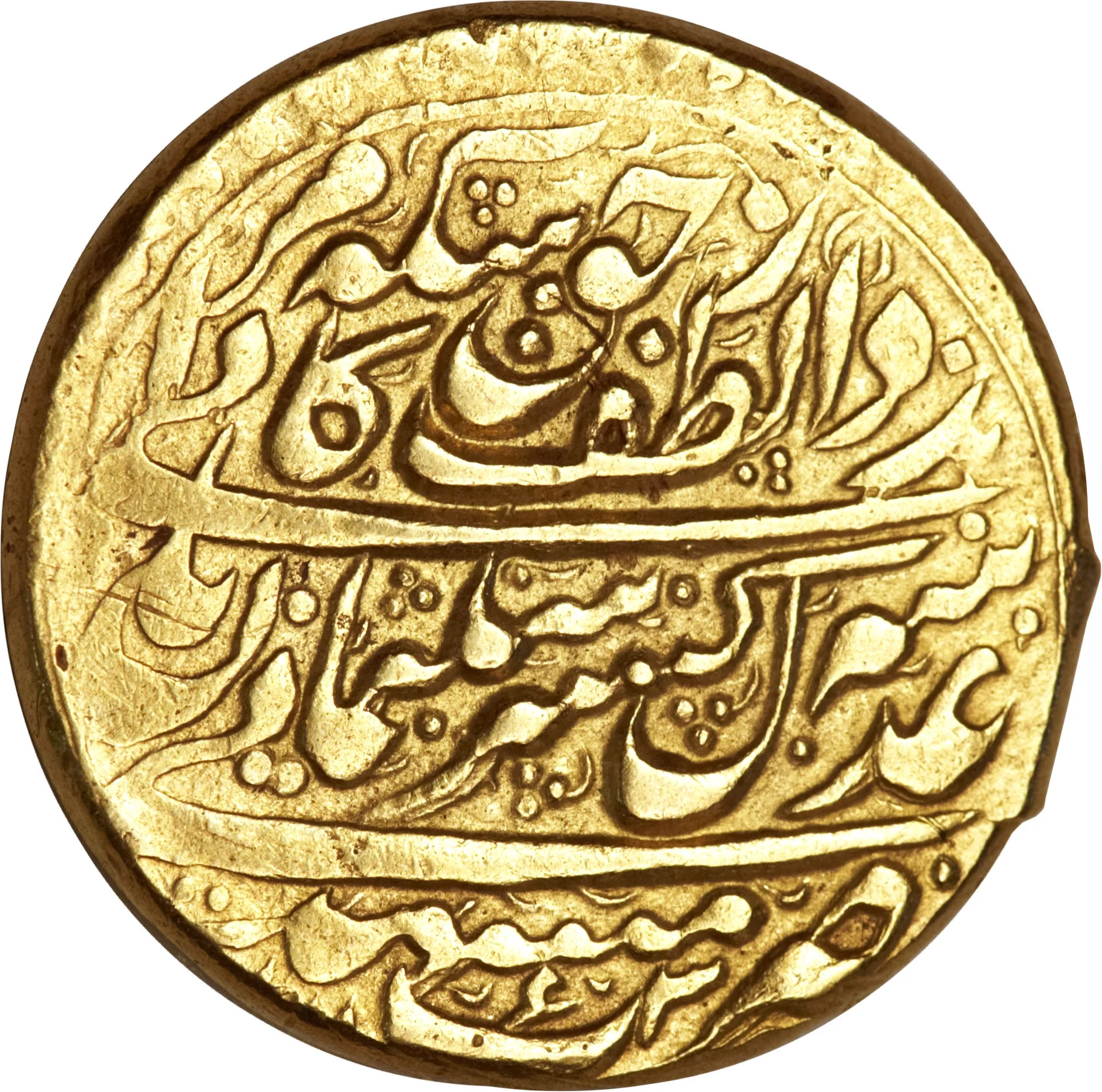
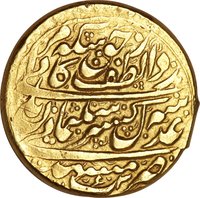
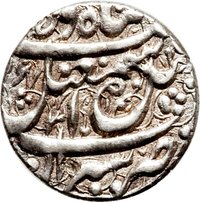
Obverse
Inscription:
زد از لطف حق سکه کامرانی
شه عدل گستر سلیمان ثانی
ضرب مشهد ۱۱۶۳
شه عدل گستر سلیمان ثانی
ضرب مشهد ۱۱۶۳
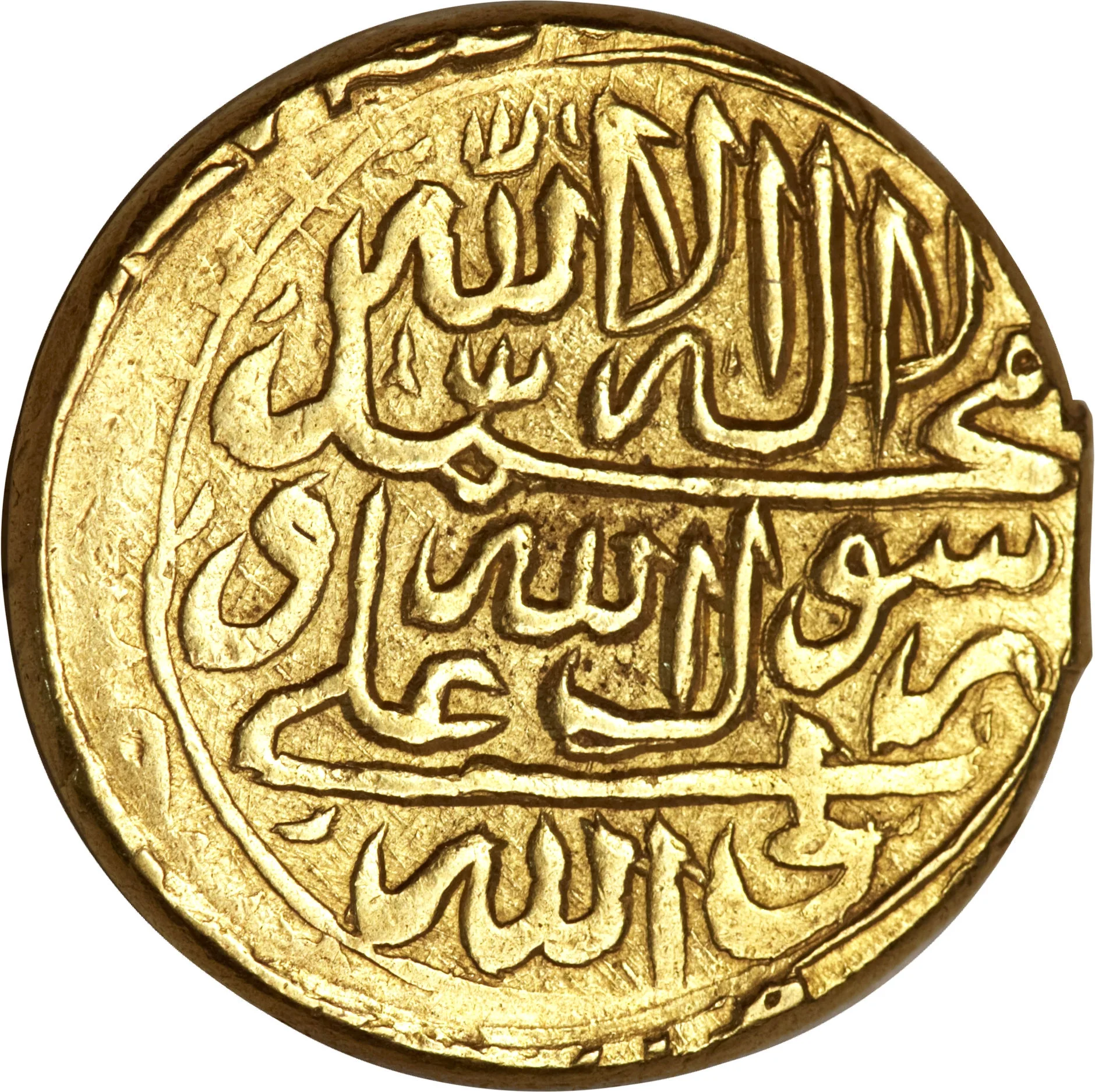
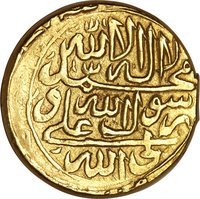
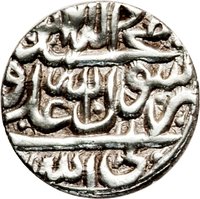
Reverse
Inscription:
لا اله الا الله
محمّد رسول الله
علی ولی الله
محمّد رسول الله
علی ولی الله
Edge
Plain
Mints
| Name | Mark |
|---|---|
| Mashhad Muqaddas | — |
Mintings
| Year | Mint Mark | Mintage | Quality | Collection |
|---|---|---|---|---|
| 1750 | — | — |
Historical background
In 1750, the currency situation in Iran was one of profound instability and fragmentation, a direct legacy of the collapse of the Safavid Empire in 1722. The subsequent decades saw foreign invasion (notably by the Afghans and Ottomans), civil war, and the rise of regional warlords, which shattered the centralized monetary system that had once facilitated trade across the empire. The standard silver toman (a unit of account worth 10,000 dinars) and the abbasi coin (worth about 200 dinars) remained familiar denominations, but their physical counterparts were highly unreliable. Coins were minted by various claimants to power in cities like Isfahan, Shiraz, and Mashhad, leading to a proliferation of issues with differing weights, purities, and designs that crippled long-distance commerce.
The primary currency in circulation was the silver rial, often based on European (especially Spanish and Dutch) silver dollars that entered through trade. However, the frequent sieges and political upheaval severely disrupted both foreign trade and domestic silver mining, leading to chronic shortages of precious metals. This scarcity prompted local rulers and authorities to frequently debase the coinage by reducing the silver content, a practice that eroded public trust. As a result, the value of currency could vary dramatically from region to region, and substantial transactions often required the arduous weighing and assaying of coins rather than simply counting them.
This monetary chaos was a significant obstacle to economic recovery and a reflection of the broader political disintegration. It was not until the consolidation of power by Karim Khan Zand (who ruled from 1751 to 1779) that a degree of stability began to return. From his capital in Shiraz, Karim Khan worked to restore standard weights and purities in the coinage minted under his authority, aiming to revive both internal markets and the vital Persian Gulf trade. Thus, 1750 represents a low point, caught between the collapse of the old order and the tentative beginnings of reconstruction under the Zands.
The primary currency in circulation was the silver rial, often based on European (especially Spanish and Dutch) silver dollars that entered through trade. However, the frequent sieges and political upheaval severely disrupted both foreign trade and domestic silver mining, leading to chronic shortages of precious metals. This scarcity prompted local rulers and authorities to frequently debase the coinage by reducing the silver content, a practice that eroded public trust. As a result, the value of currency could vary dramatically from region to region, and substantial transactions often required the arduous weighing and assaying of coins rather than simply counting them.
This monetary chaos was a significant obstacle to economic recovery and a reflection of the broader political disintegration. It was not until the consolidation of power by Karim Khan Zand (who ruled from 1751 to 1779) that a degree of stability began to return. From his capital in Shiraz, Karim Khan worked to restore standard weights and purities in the coinage minted under his authority, aiming to revive both internal markets and the vital Persian Gulf trade. Thus, 1750 represents a low point, caught between the collapse of the old order and the tentative beginnings of reconstruction under the Zands.
Series: 1750 Iran circulation coins

✨ Legendary