

1 Ashrafi – Iran
Iran
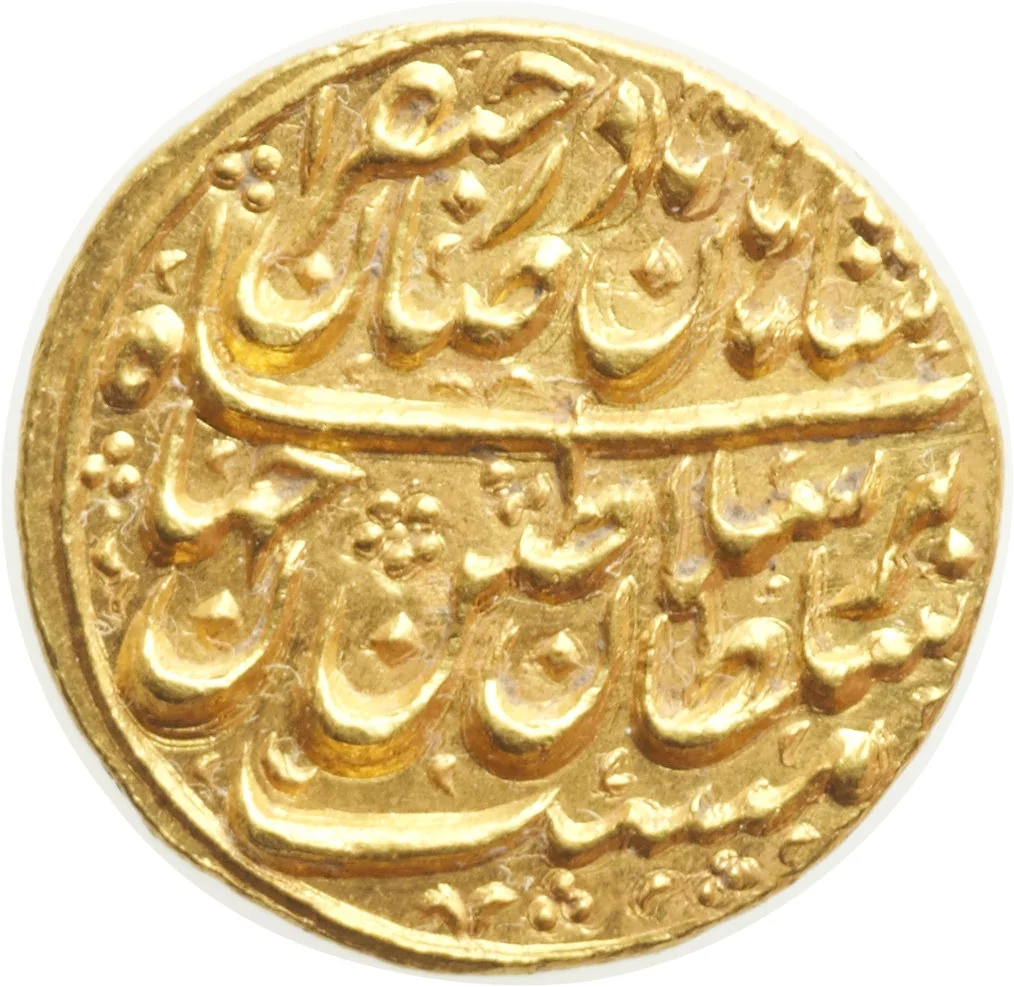
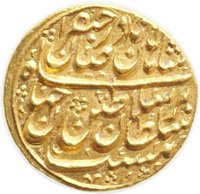
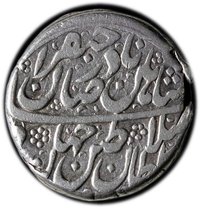
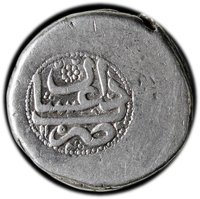
Obverse
Inscription:
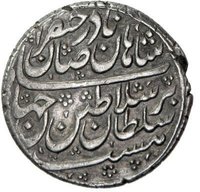
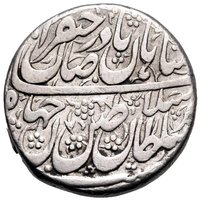
هست سلطان بر سلاطین جهان
شاه شاهان نادر صاحبقران
شاه شاهان نادر صاحبقران
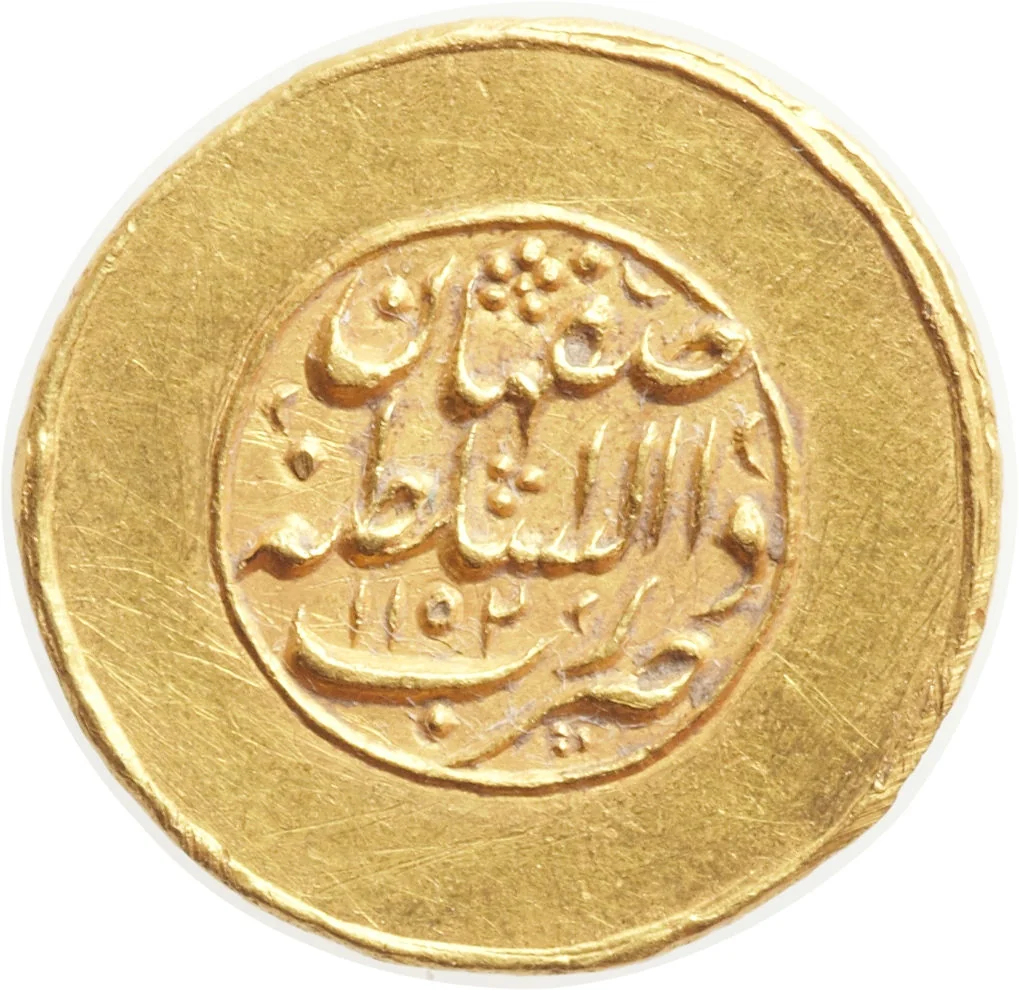
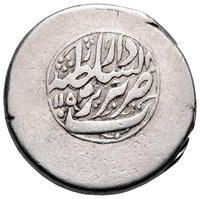
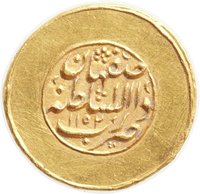
Reverse
Inscription:
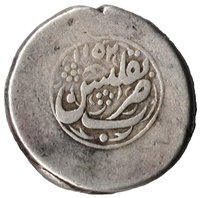
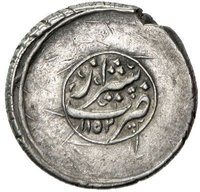
ضرب دارالسلطنه اصفهان
۱۱٥٢
۱۱٥٢
Edge
Plain
Mints
| Name | Mark |
|---|---|
| Isfahan | — |
Mintings
| Year | Mint Mark | Mintage | Quality | Collection |
|---|---|---|---|---|
| 1740 | — | — | ||
| 1746 | — | — |
Historical background
In 1740, Iran was in the midst of the Afsharid dynasty, founded by the formidable military leader Nader Shah. The currency situation was directly tied to his ambitious and costly campaigns. Having just returned from his devastating sack of Delhi in 1739, Nader Shah flooded the Iranian treasury with an immense haul of Mughal plunder, including vast quantities of gold, silver, and jewels. This sudden influx of precious metals temporarily stabilized the currency, which was primarily based on silver tomans and rials, and gold mohurs.
However, this apparent stability was superficial and precarious. Nader Shah’s currency system was fundamentally extractive, designed to finance his endless military expansions rather than to support a healthy domestic economy. He centralized minting and introduced new coinage, but the primary objective was to pay his large army, leading to heavy taxation and the requisition of supplies from the populace. The economy remained largely agrarian and fragmented, with the monetary wealth concentrated in the hands of the state and military elite, not circulating in a way that promoted trade or internal development.
Consequently, by 1740, the seeds of future monetary crisis were already sown. The economy could not sustainably support Nader Shah's extravagant military spending, and the wealth from India, while staggering, was a finite resource being rapidly depleted. Within a few years, as his campaigns continued and his rule became more oppressive, the treasury would be drained, leading to debased coinage, soaring inflation, and severe economic hardship for the common people, contributing to the instability that followed his assassination in 1747.
However, this apparent stability was superficial and precarious. Nader Shah’s currency system was fundamentally extractive, designed to finance his endless military expansions rather than to support a healthy domestic economy. He centralized minting and introduced new coinage, but the primary objective was to pay his large army, leading to heavy taxation and the requisition of supplies from the populace. The economy remained largely agrarian and fragmented, with the monetary wealth concentrated in the hands of the state and military elite, not circulating in a way that promoted trade or internal development.
Consequently, by 1740, the seeds of future monetary crisis were already sown. The economy could not sustainably support Nader Shah's extravagant military spending, and the wealth from India, while staggering, was a finite resource being rapidly depleted. Within a few years, as his campaigns continued and his rule became more oppressive, the treasury would be drained, leading to debased coinage, soaring inflation, and severe economic hardship for the common people, contributing to the instability that followed his assassination in 1747.
Series: 1740 Iran circulation coins
✨ Legendary