

1 rupee – Iran
Add to wishlist
Iran
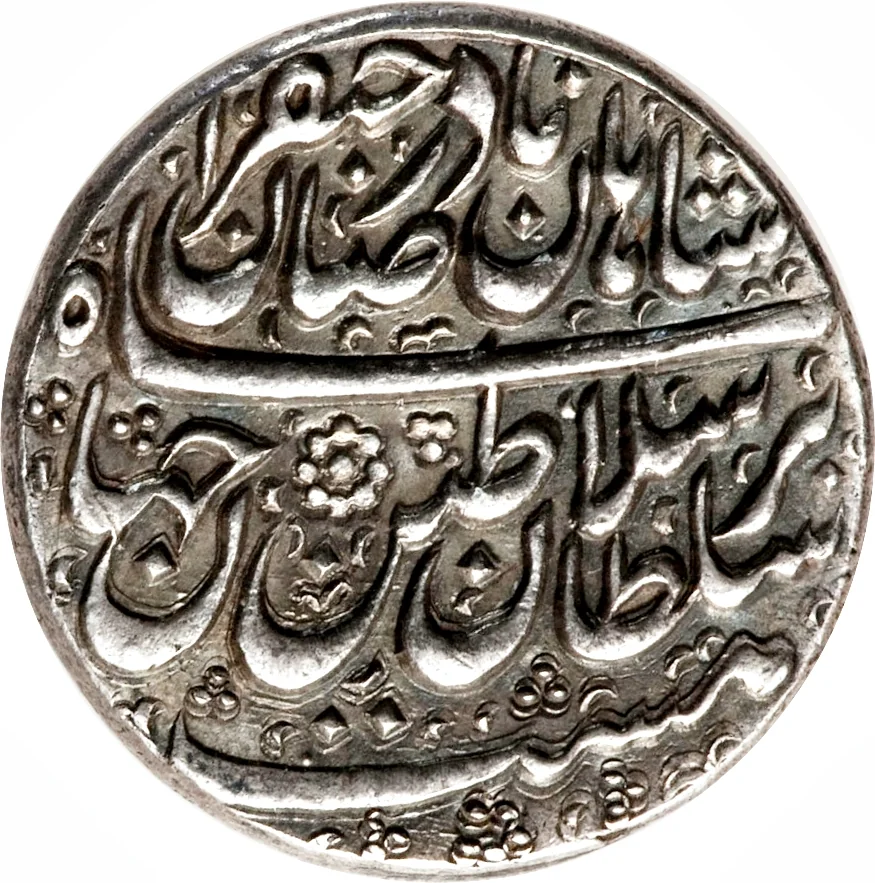
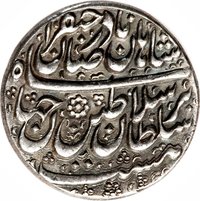
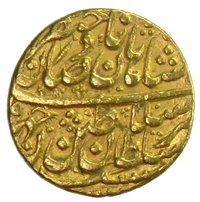
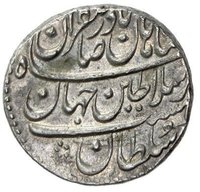
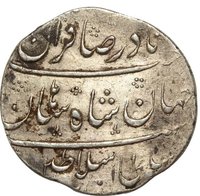
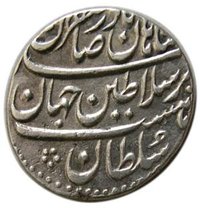
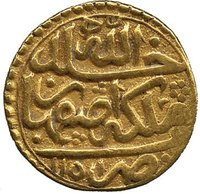
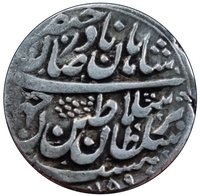
Obverse
Inscription:
هست سلطان بر سلاطین جهان
شاه شاهان نادر صاحبقران
شاه شاهان نادر صاحبقران
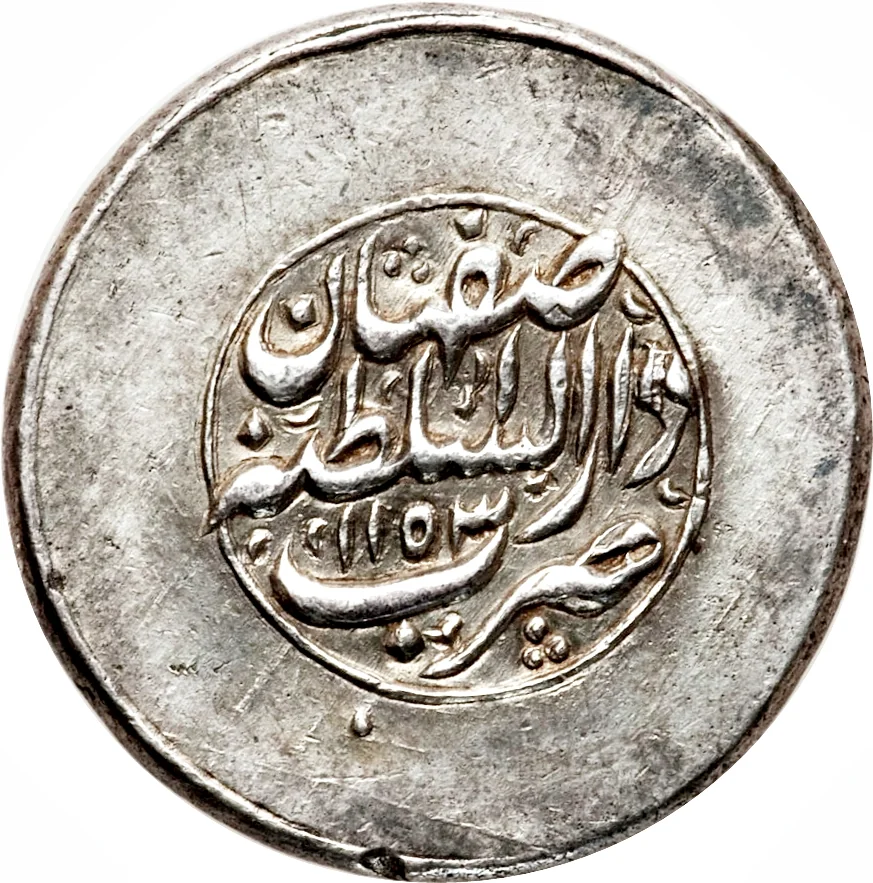
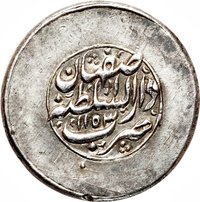
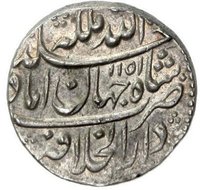
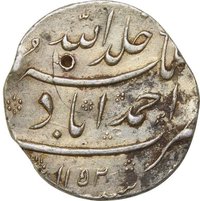
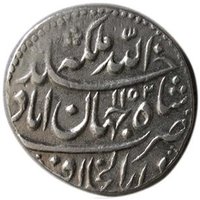
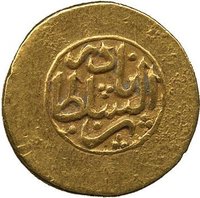
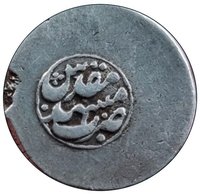
Reverse
Inscription:
ضرب دارالسلطنه اصفهان
١١٥٣
١١٥٣
Edge
Plain
Mints
| Name | Mark |
|---|---|
| Isfahan | — |
Mintings
| Year | Mint Mark | Mintage | Quality | Collection |
|---|---|---|---|---|
| 1739 | — | — | ||
| 1740 | — | — | ||
| 1741 | — | — | ||
| 1741 | — | — | ||
| 1742 | — | — | ||
| 1743 | — | — | ||
| 1744 | — | — | ||
| 1745 | — | — | ||
| 1746 | — | — | ||
| 1747 | — | — |
Historical background
In 1739, the currency situation in Iran was one of profound instability and debasement, a direct legacy of the Afghan invasion and the collapse of the Safavid dynasty. The brief but devastating Hotaki occupation (1722-1729) had shattered the centralized economic and minting system that had provided relative stability for centuries. Treasury reserves were looted, trade routes were disrupted, and regional khans began issuing their own, often inferior, coinage, leading to a fractured monetary landscape with no universal standard of value.
This chaos was inherited by Nader Shah Afshar, who by 1739 was at the zenith of his military power. That very year, he returned from his monumental invasion of India with staggering plunder, most famously the Peacock Throne and the Koh-i-Noor diamond, but also including an immense quantity of gold and silver. This colossal infusion of precious metal presented a critical opportunity to restore a unified and strong currency. Nader Shah intended to use this wealth to reform the coinage and re-establish state financial authority.
However, Nader's approach was ultimately destabilizing. Rather than using the Indian treasure for long-term economic reconstruction, he focused on funding his endless military campaigns and imposed heavy taxes to sustain them. While he minted new coins, including high-quality gold mohurs and silver rupiahs, the sheer volume of new currency, combined with ongoing high expenditures, fueled severe inflation. Furthermore, his harsh fiscal policies and neglect of domestic agriculture and trade meant that by the end of his reign, the temporary monetary boost of 1739 had dissipated, leaving the economy in a state worse than before. Thus, 1739 represents a pivotal moment of potential monetary restoration that was squandered, setting the stage for further economic decline.
This chaos was inherited by Nader Shah Afshar, who by 1739 was at the zenith of his military power. That very year, he returned from his monumental invasion of India with staggering plunder, most famously the Peacock Throne and the Koh-i-Noor diamond, but also including an immense quantity of gold and silver. This colossal infusion of precious metal presented a critical opportunity to restore a unified and strong currency. Nader Shah intended to use this wealth to reform the coinage and re-establish state financial authority.
However, Nader's approach was ultimately destabilizing. Rather than using the Indian treasure for long-term economic reconstruction, he focused on funding his endless military campaigns and imposed heavy taxes to sustain them. While he minted new coins, including high-quality gold mohurs and silver rupiahs, the sheer volume of new currency, combined with ongoing high expenditures, fueled severe inflation. Furthermore, his harsh fiscal policies and neglect of domestic agriculture and trade meant that by the end of his reign, the temporary monetary boost of 1739 had dissipated, leaving the economy in a state worse than before. Thus, 1739 represents a pivotal moment of potential monetary restoration that was squandered, setting the stage for further economic decline.
Series: 1739 Iran circulation coins
✨ Legendary