

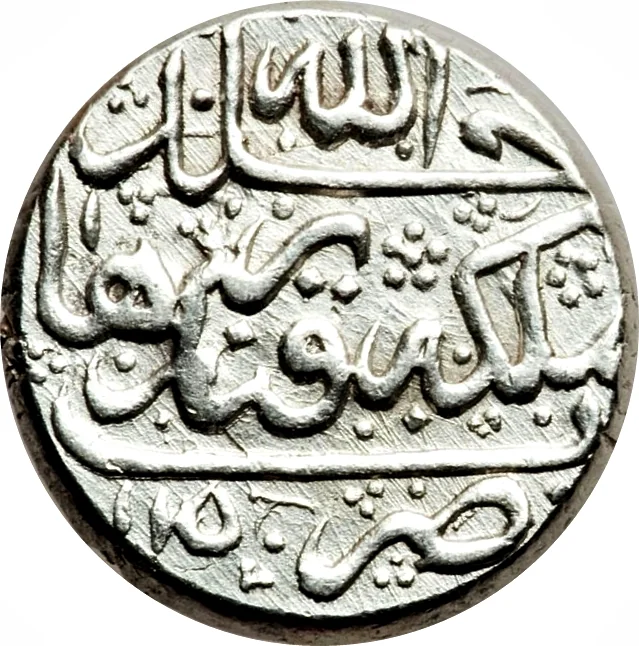
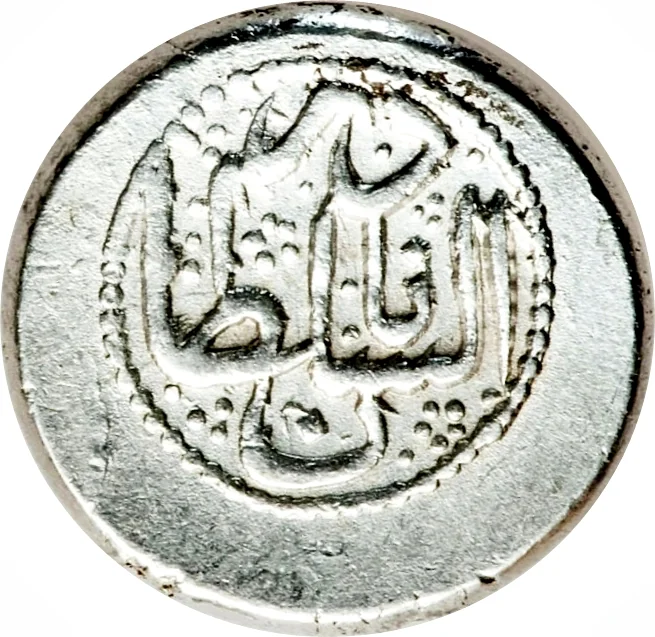
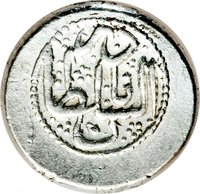
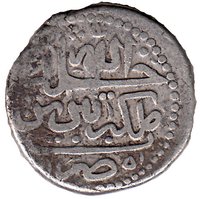
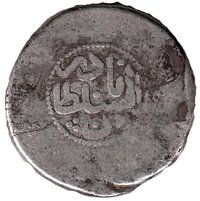
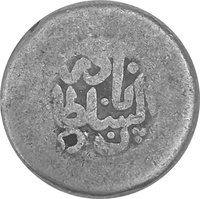
6 Shahi – Iran
Iran
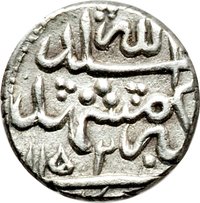
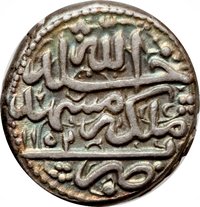
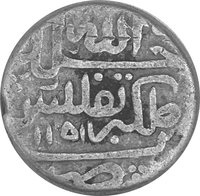
Obverse
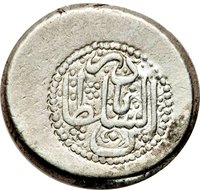
Reverse
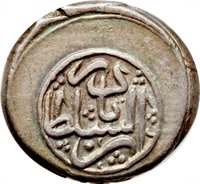
Edge
Mints
| Name | Mark |
|---|---|
| Kandahar | — |
Mintings
| Year | Mint Mark | Mintage | Quality | Collection |
|---|---|---|---|---|
| 1738 | — | — | ||
| 1739 | — | — |
Historical background
In 1738, the currency situation in Iran was one of profound instability and transition, directly tied to the turbulent political landscape. The Safavid Empire, which had established a relatively stable monetary system based on the silver abbasi and gold toman, had collapsed in 1722 following the Afghan invasion. Two decades of fragmentation, foreign occupation, and civil war between Afghans, Ottomans, Russians, and competing Persian factions had severely disrupted the economy. Provincial rulers and invaders minted their own, often debased, coinage, leading to a chaotic multiplicity of currencies with varying weights and purities, which crippled long-distance trade and eroded public trust.
This monetary anarchy persisted until the rise of Nader Qoli Beg (soon to be Nader Shah), who was in the process of consolidating power. By 1738, he had expelled the Ottomans and Afghans and was campaigning in the east, having just captured the immense treasures of Delhi and Kabul. These conquests injected vast quantities of gold and silver into the Iranian economy, providing the raw materials for a potential currency reform. However, Nader Shah’s focus remained on military expansion and securing his throne; a systematic recoinage to unify the monetary system was not yet his immediate priority, leaving the day-to-day economy to function with a patchwork of old Safavid, Afghan, and regional issues.
Consequently, the currency "situation" was a duality: at the macro level, the state treasury was suddenly overflowing with looted precious metals, setting the stage for future stabilization. Yet, at the local bazaar level, merchants and peasants continued to grapple with uncertainty, debasement, and the logistical challenges of a non-uniform currency. The groundwork for the later introduction of new coins, like the silver Naderi, was being laid through conquest, but in 1738, Iran’s monetary system remained a fractured relic of war, awaiting the strong central authority that Nader Shah was still in the process of fully establishing.
This monetary anarchy persisted until the rise of Nader Qoli Beg (soon to be Nader Shah), who was in the process of consolidating power. By 1738, he had expelled the Ottomans and Afghans and was campaigning in the east, having just captured the immense treasures of Delhi and Kabul. These conquests injected vast quantities of gold and silver into the Iranian economy, providing the raw materials for a potential currency reform. However, Nader Shah’s focus remained on military expansion and securing his throne; a systematic recoinage to unify the monetary system was not yet his immediate priority, leaving the day-to-day economy to function with a patchwork of old Safavid, Afghan, and regional issues.
Consequently, the currency "situation" was a duality: at the macro level, the state treasury was suddenly overflowing with looted precious metals, setting the stage for future stabilization. Yet, at the local bazaar level, merchants and peasants continued to grapple with uncertainty, debasement, and the logistical challenges of a non-uniform currency. The groundwork for the later introduction of new coins, like the silver Naderi, was being laid through conquest, but in 1738, Iran’s monetary system remained a fractured relic of war, awaiting the strong central authority that Nader Shah was still in the process of fully establishing.
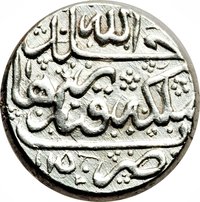
Series: 1738 Iran circulation coins
✨ Legendary