

4 Shahi – Iran
Circulating commemorative coins
Commemoration: Nader Afshar Coronation
Iran
Context
Year: 1736
Islamic (Hijri) Year: 1148
Issuer: Iran 
Ruler: Nader Afshar
Currency:
(1501—1798)
Demonetized: Yes
Material
References
KM: #Click to copy to clipboard362.2
Numista: #62319
Value
Bullion value: $13.09
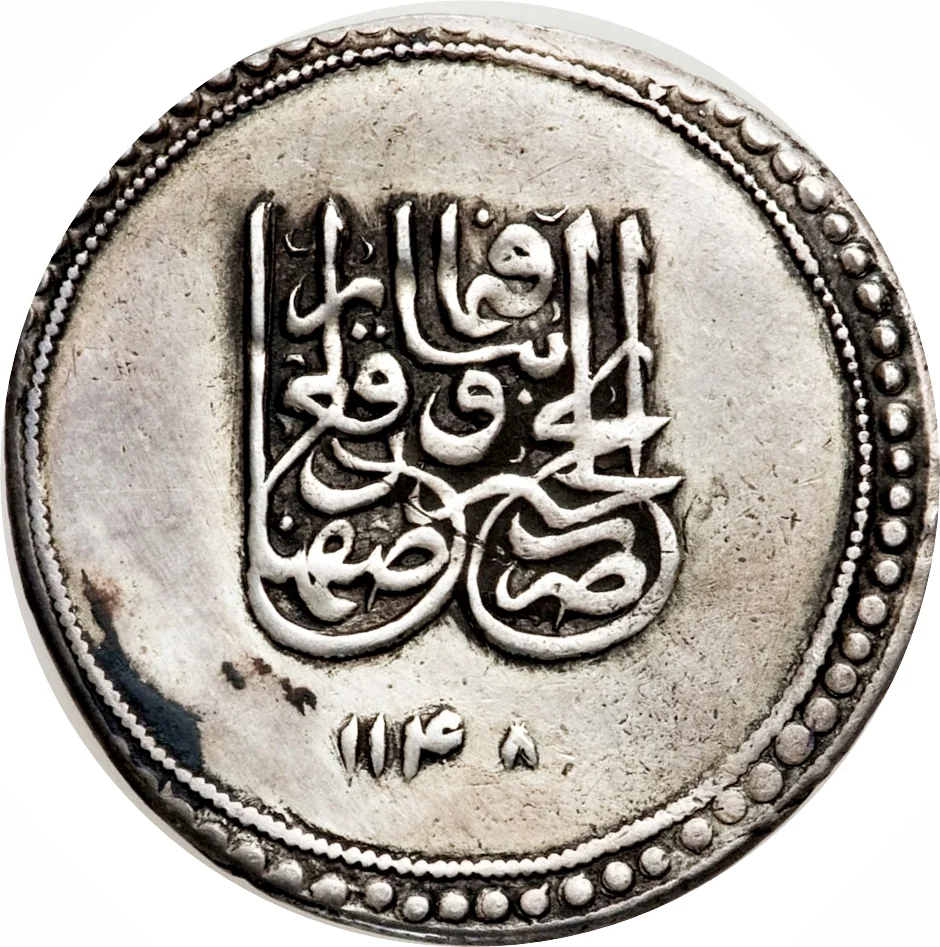
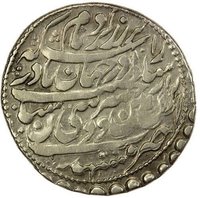
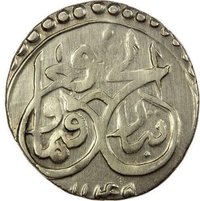
Obverse
Inscription:
الخیر فیما وقع
ضرب اصفهان
بتاریخ ۱۱۴۸
ضرب اصفهان
بتاریخ ۱۱۴۸
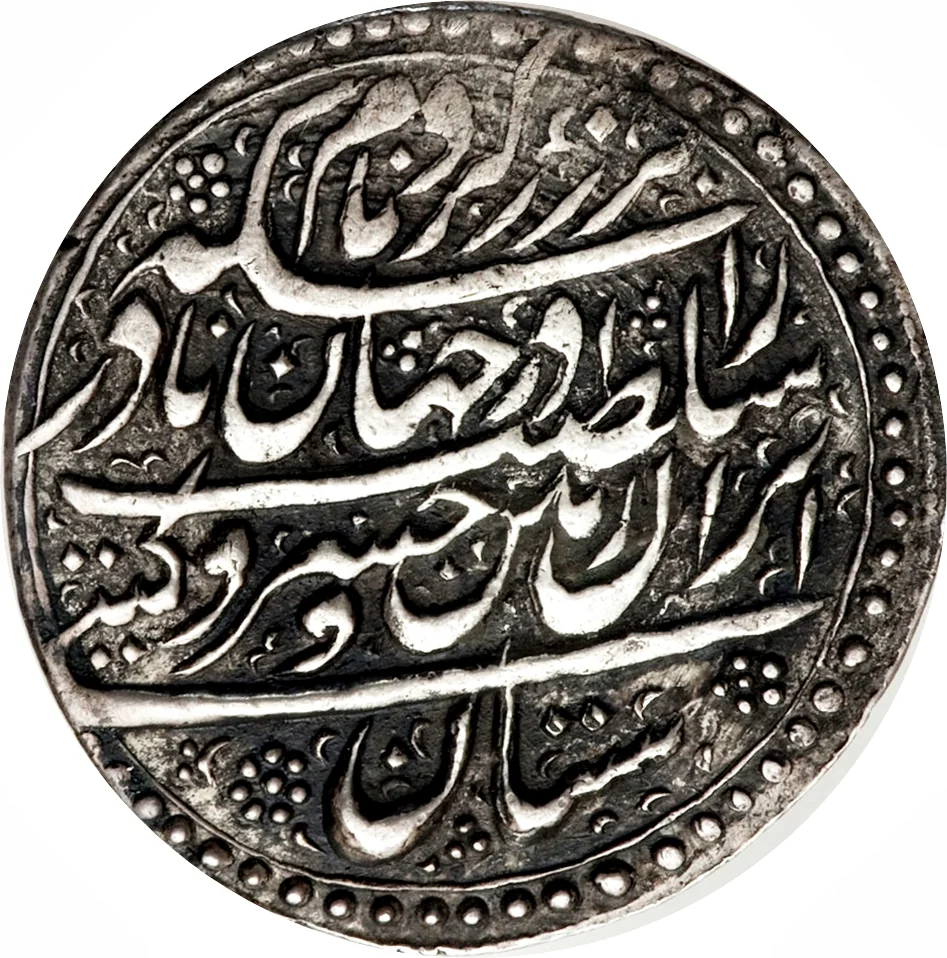
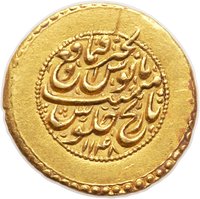
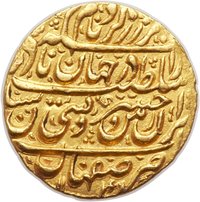
Reverse
Inscription:
سکه بر زر کرد نام سلطنت را در جهان
نادر ایران زمین و خسرو گیتی ستان
نادر ایران زمین و خسرو گیتی ستان
Edge
Plain
Mintings
| Year | Mint Mark | Mintage | Quality | Collection |
|---|---|---|---|---|
| 1736 | — | — |
Historical background
In 1736, the Iranian monetary landscape was in a state of severe disarray, a direct legacy of the preceding decades of political collapse. The Safavid Empire, which had maintained a relatively stable silver-based currency, had disintegrated under Afghan invasion and internal strife. This period of anarchy (1722-1736) saw mints across the country fall under the control of regional warlords, tribal khans, and foreign occupiers, leading to a proliferation of debased and irregular coinage. The value and silver content of coins like the abbasi and mahmudi varied drastically from region to region, destroying public trust in the currency and crippling inter-regional trade.
The situation demanded a radical monetary reform, which became an immediate priority for Nader Shah Afshar upon his formal coronation in 1736. Having just reunified the country through military force, Nader understood that economic stability was essential for consolidating his new Afsharid dynasty. He moved swiftly to centralize minting authority, standardize weights, and restore the precious metal content of the coinage. His new silver Naderi rupee (later the toman system) was introduced to replace the myriad of degraded coins, aiming to establish a uniform national currency that would facilitate taxation, pay his vast army, and stimulate commerce.
Thus, the currency situation in 1736 represents a pivotal moment of transition—from the fractured and unreliable money of a fractured state to the deliberate, top-down imposition of a standardized monetary system by an absolute monarch. While Nader Shah's reforms initially provided much-needed stability, the long-term success of this new currency would become inextricably tied to the fortunes of his reign, particularly his ability to fund his enormous military expenditures through conquest and secure a steady inflow of precious metals to the treasury.
The situation demanded a radical monetary reform, which became an immediate priority for Nader Shah Afshar upon his formal coronation in 1736. Having just reunified the country through military force, Nader understood that economic stability was essential for consolidating his new Afsharid dynasty. He moved swiftly to centralize minting authority, standardize weights, and restore the precious metal content of the coinage. His new silver Naderi rupee (later the toman system) was introduced to replace the myriad of degraded coins, aiming to establish a uniform national currency that would facilitate taxation, pay his vast army, and stimulate commerce.
Thus, the currency situation in 1736 represents a pivotal moment of transition—from the fractured and unreliable money of a fractured state to the deliberate, top-down imposition of a standardized monetary system by an absolute monarch. While Nader Shah's reforms initially provided much-needed stability, the long-term success of this new currency would become inextricably tied to the fortunes of his reign, particularly his ability to fund his enormous military expenditures through conquest and secure a steady inflow of precious metals to the treasury.
✨ Legendary