

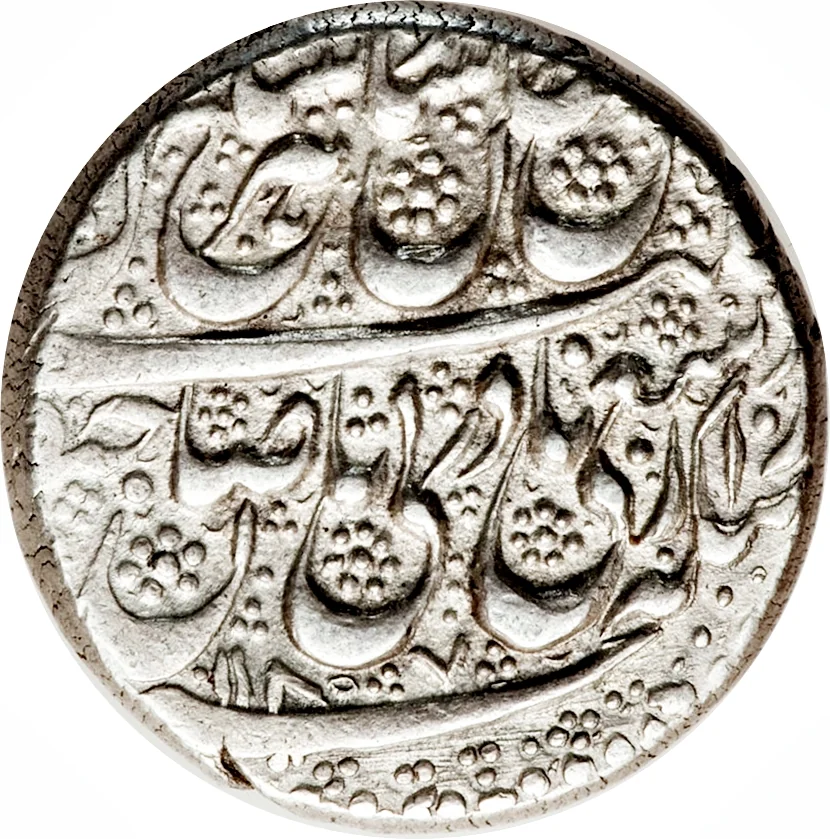
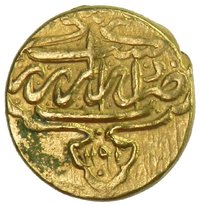
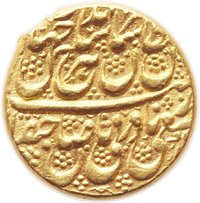
Obverse
Inscription:
سکه زد از سعی نادر ثانی صاحبقران
کلب سلطان خراسان شاهرخ شاه جهان
۱۱۸۷
کلب سلطان خراسان شاهرخ شاه جهان
۱۱۸۷
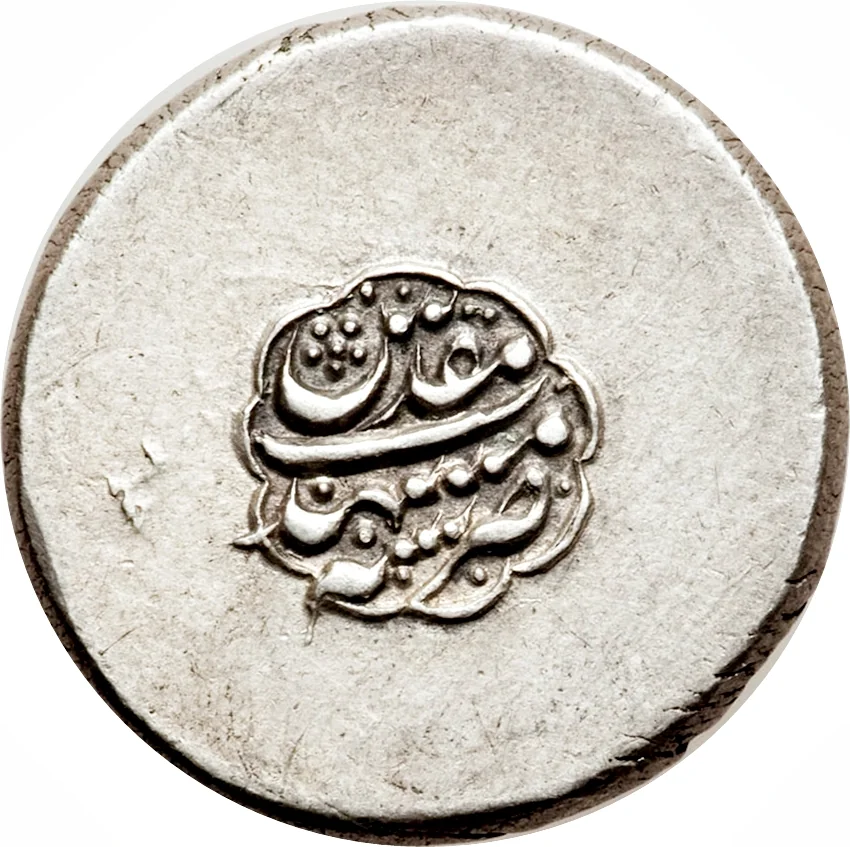
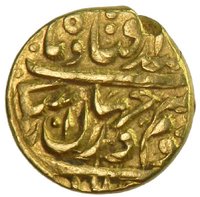
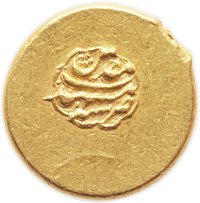
Reverse
Inscription:
ضرب مشهد مقدس
Edge
Plain
Mintings
| Year | Mint Mark | Mintage | Quality | Collection |
|---|---|---|---|---|
| 1773 | — | — | ||
| 1773 | — | — | ||
| 1775 | — | — | ||
| 1779 | — | — | ||
| 1781 | — | — | ||
| 1783 | — | — |
Historical background
In 1773, Iran was under the rule of the Zand dynasty, with Karim Khan Zand (r. 1751-1779) effectively controlling much of the country from his capital in Shiraz. The period was one of relative stability and recovery following the devastating collapse of the Safavid Empire in 1722 and the subsequent decades of civil war, foreign invasion, and tribal conflict. Karim Khan, who notably refused to take the title of Shah, focused his efforts on reconstruction, justice, and reviving trade, which directly influenced the monetary system. The economy was primarily agrarian, but long-distance trade and artisan crafts were crucial, requiring a functional currency to facilitate transactions and taxation.
The currency situation was characterized by a decentralized and somewhat chaotic system. The primary circulating coins were silver tomans (a unit of account) and rials, as well as copper dinars for smaller everyday purchases. However, the coinage was highly irregular. Mints in major cities like Shiraz, Isfahan, and Tabriz produced coins, but their weight, purity, and design often varied significantly, leading to confusion and discounting in the markets. Furthermore, vast quantities of debased and counterfeit coins from the turbulent earlier decades of the century remained in circulation, undermining public trust in the currency. Karim Khan attempted to address this by issuing new, high-quality silver coins bearing his title Vakil al-Ra'aya (Representative of the People), which were respected for their reliable silver content.
Despite these efforts, the monetary system faced deep structural issues. The state's control over the mints and bullion supply was inconsistent, and the economy suffered from a chronic shortage of precious metals, particularly silver. This scarcity was exacerbated by Iran's negative balance of trade in some sectors, which drained coinage abroad. Consequently, even the reputable coins of Karim Khan did not fully unify the system; old and new coins of varying worth circulated simultaneously, and barter remained common, especially in rural areas. Thus, while 1773 fell within a period of attempted monetary reform and greater political stability, the currency situation remained fragmented, reflecting the broader challenge of restoring centralized economic authority after decades of disintegration.
The currency situation was characterized by a decentralized and somewhat chaotic system. The primary circulating coins were silver tomans (a unit of account) and rials, as well as copper dinars for smaller everyday purchases. However, the coinage was highly irregular. Mints in major cities like Shiraz, Isfahan, and Tabriz produced coins, but their weight, purity, and design often varied significantly, leading to confusion and discounting in the markets. Furthermore, vast quantities of debased and counterfeit coins from the turbulent earlier decades of the century remained in circulation, undermining public trust in the currency. Karim Khan attempted to address this by issuing new, high-quality silver coins bearing his title Vakil al-Ra'aya (Representative of the People), which were respected for their reliable silver content.
Despite these efforts, the monetary system faced deep structural issues. The state's control over the mints and bullion supply was inconsistent, and the economy suffered from a chronic shortage of precious metals, particularly silver. This scarcity was exacerbated by Iran's negative balance of trade in some sectors, which drained coinage abroad. Consequently, even the reputable coins of Karim Khan did not fully unify the system; old and new coins of varying worth circulated simultaneously, and barter remained common, especially in rural areas. Thus, while 1773 fell within a period of attempted monetary reform and greater political stability, the currency situation remained fragmented, reflecting the broader challenge of restoring centralized economic authority after decades of disintegration.
✨ Legendary