

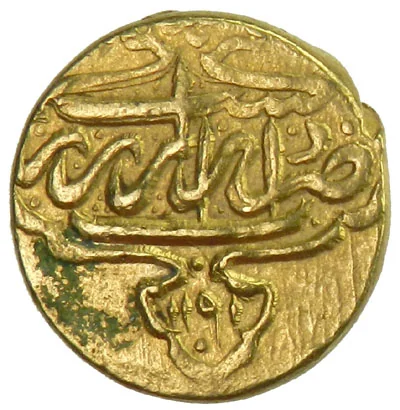
Obverse
Description:
Rasht, Iran
Inscription:
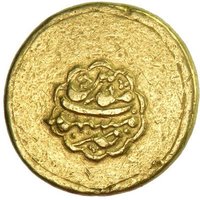
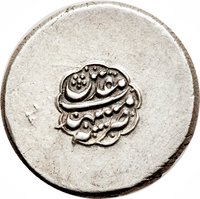
یا کریم
ضرب دارالمرز رشت
۱۱۹۱
ضرب دارالمرز رشت
۱۱۹۱
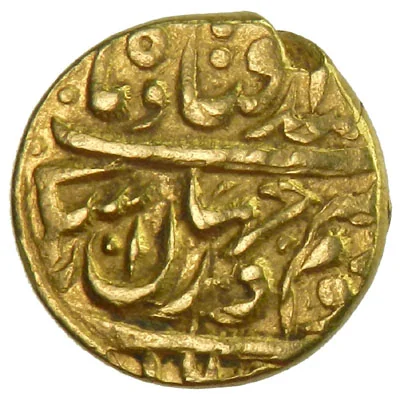
Reverse
Inscription:
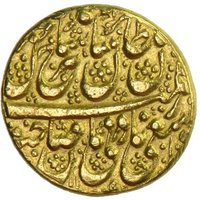
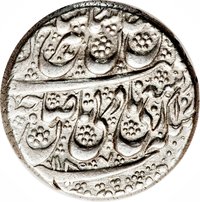
شد آفتاب و ماه زر و سیم در جهان
از سکه امام بحق صاحب الزمان
از سکه امام بحق صاحب الزمان
Edge
Plain
Mints
| Name | Mark |
|---|---|
| Dar al-Marz Rasht | رشت |
Mintings
| Year | Mint Mark | Mintage | Quality | Collection |
|---|---|---|---|---|
| 1772 | — | — | ||
| 1774 | — | — | ||
| 1775 | — | — | ||
| 1776 | — | — | ||
| 1777 | — | — | ||
| 1778 | — | — | ||
| 1779 | — | — |
Historical background
In 1772, Iran was under the rule of the Zand dynasty, founded by Karim Khan Zand, who had established relative stability in the country after decades of civil war following the collapse of the Safavid Empire. However, the monetary system was in a state of significant disarray and regional fragmentation. The primary currency unit was the silver toman (a unit of account) and the rial (a silver coin), but the actual coinage in circulation was a chaotic mix of older Safavid coins, various provincial issues from rival claimants like the Afsharids in the northeast, and a multitude of foreign coins from trade with the Ottoman Empire, Russia, India, and European trading companies.
Karim Khan, ruling from Shiraz, made efforts to standardize the currency to bolster the economy and central authority. He minted new silver coins, notably the toman and abbasi, bearing his name and the Shia declaration of faith, in mints at Shiraz, Isfahan, and Tabriz. Despite these efforts, the reach of these official coins was limited, and older, debased coins remained in widespread use. Furthermore, the scarcity of precious metals, particularly silver, was a chronic problem, exacerbated by Iran's limited silver mines and a negative balance of trade that drained bullion out of the country.
Consequently, the currency situation was characterized by inconsistency in weight and purity, leading to complex and fluctuating exchange rates between different coin types. This monetary instability created difficulties for both internal trade and international commerce, placing a burden on merchants and the state treasury alike. While Karim Khan's reign provided a period of peace and economic recovery, the foundational weaknesses of the monetary system—precious metal shortages and the legacy of decentralization—remained largely unresolved, leaving the currency vulnerable to further crises in the decades to follow.
Karim Khan, ruling from Shiraz, made efforts to standardize the currency to bolster the economy and central authority. He minted new silver coins, notably the toman and abbasi, bearing his name and the Shia declaration of faith, in mints at Shiraz, Isfahan, and Tabriz. Despite these efforts, the reach of these official coins was limited, and older, debased coins remained in widespread use. Furthermore, the scarcity of precious metals, particularly silver, was a chronic problem, exacerbated by Iran's limited silver mines and a negative balance of trade that drained bullion out of the country.
Consequently, the currency situation was characterized by inconsistency in weight and purity, leading to complex and fluctuating exchange rates between different coin types. This monetary instability created difficulties for both internal trade and international commerce, placing a burden on merchants and the state treasury alike. While Karim Khan's reign provided a period of peace and economic recovery, the foundational weaknesses of the monetary system—precious metal shortages and the legacy of decentralization—remained largely unresolved, leaving the currency vulnerable to further crises in the decades to follow.
✨ Legendary