

¼ mohur – Iran
Add to wishlist
Iran
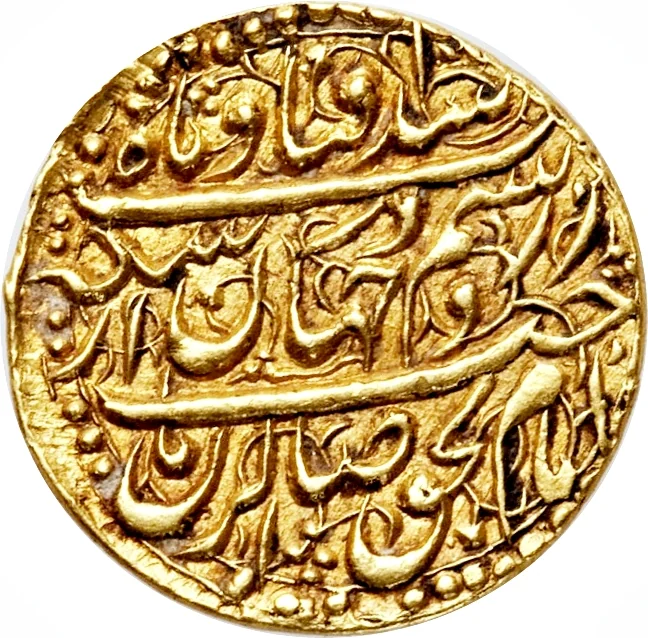
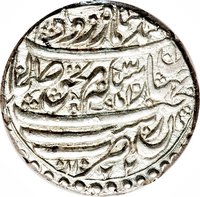
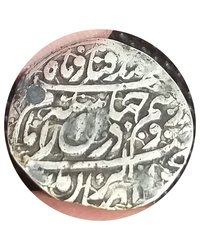
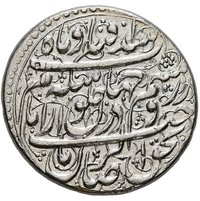
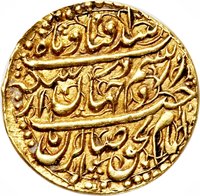
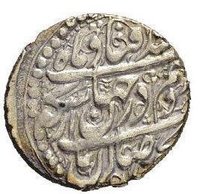
Obverse
Inscription:
شد آفتاب و ماه زر و سیم در جهان
از سکه امام بحق صاحب الزمان
از سکه امام بحق صاحب الزمان
Script: Persian (nastaliq)
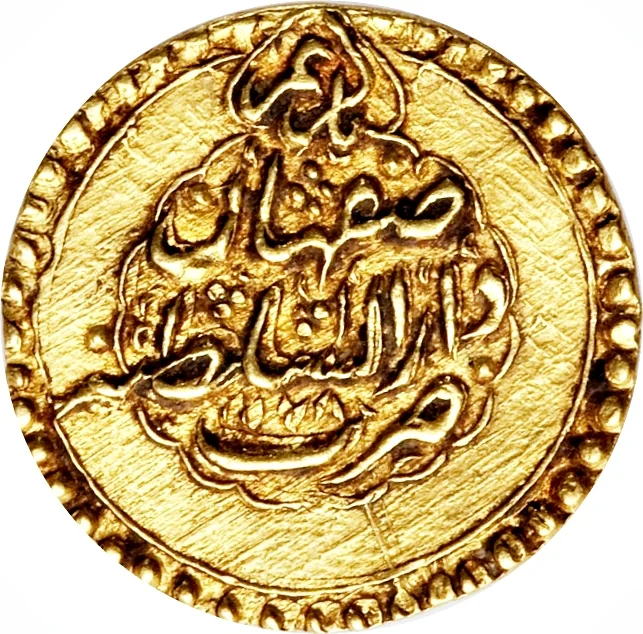
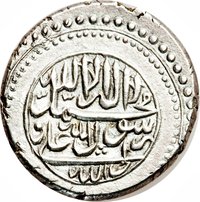
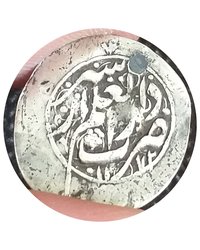
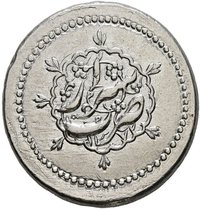
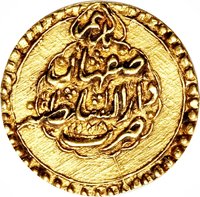
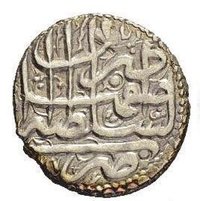
Reverse
Inscription:
یا کریم
ضرب دارالسلطنه صفهان
۱۱۷۸
ضرب دارالسلطنه صفهان
۱۱۷۸
Script: Persian (nastaliq)
Edge
Mints
| Name | Mark |
|---|---|
| Isfahan | صفهان |
Mintings
| Year | Mint Mark | Mintage | Quality | Collection |
|---|---|---|---|---|
| 1759 | — | — | ||
| 1764 | — | — | ||
| 1765 | — | — | ||
| 1766 | — | — | ||
| 1767 | — | — | ||
| 1770 | — | — | ||
| 1773 | — | — |
Historical background
In 1759, Iran was in the final years of the Afsharid dynasty, a period of profound political and economic instability following the death of its founder, Nader Shah, in 1747. Nader Shah's reign had been financially catastrophic; his relentless military campaigns were funded by exhausting the treasury and imposing crippling taxes, while his brief attempt to introduce a new copper currency failed, further undermining monetary confidence. By 1759, central authority had fragmented, with various tribal chieftains, including Karim Khan Zand in the south, competing for control, leading to a breakdown in the unified administration of the economy and currency system.
The currency situation was consequently one of severe debasement and regional inconsistency. The primary silver coin was the abbasi, but its silver content and weight varied dramatically depending on which regional mint produced it, as local rulers issued their own coinage to fund their factions. Widespread clipping of coins was common, and the influx of lower-value copper coins (fulus) for small transactions further eroded trust in the monetary system. This period saw a effective "bimetallic confusion," with the relationship between gold, silver, and copper coins unstable and unreliable for long-distance trade.
This monetary chaos mirrored and exacerbated the broader economic distress. The insecurity on trade routes, like the vital Silk Road, hampered commerce and reduced the inflow of precious metals needed for sound coinage. The result was inflationary pressures, hoarding of old or foreign coins of reliable value, and a retreat to barter in many local economies. Therefore, in 1759, Iran lacked a stable, uniform national currency, operating instead with a patchwork of debased and competing coins, reflecting the fractured political landscape of the post-Nader Shah era.
The currency situation was consequently one of severe debasement and regional inconsistency. The primary silver coin was the abbasi, but its silver content and weight varied dramatically depending on which regional mint produced it, as local rulers issued their own coinage to fund their factions. Widespread clipping of coins was common, and the influx of lower-value copper coins (fulus) for small transactions further eroded trust in the monetary system. This period saw a effective "bimetallic confusion," with the relationship between gold, silver, and copper coins unstable and unreliable for long-distance trade.
This monetary chaos mirrored and exacerbated the broader economic distress. The insecurity on trade routes, like the vital Silk Road, hampered commerce and reduced the inflow of precious metals needed for sound coinage. The result was inflationary pressures, hoarding of old or foreign coins of reliable value, and a retreat to barter in many local economies. Therefore, in 1759, Iran lacked a stable, uniform national currency, operating instead with a patchwork of debased and competing coins, reflecting the fractured political landscape of the post-Nader Shah era.
Series: 1759 Iran circulation coins
✨ Legendary