

Iran
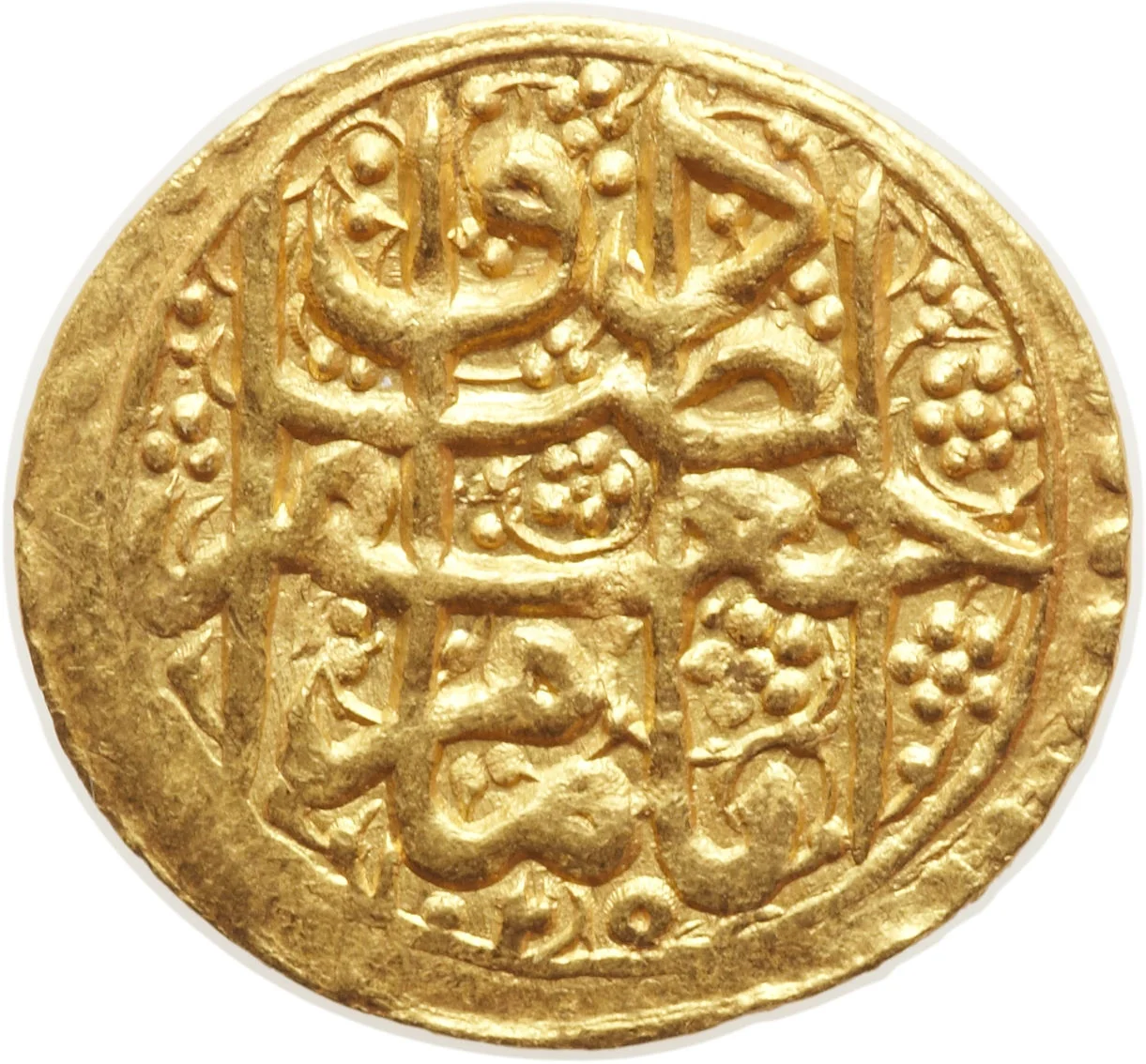
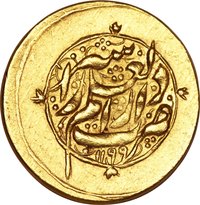
Obverse
Inscription:
یا امام جعفر الصادق
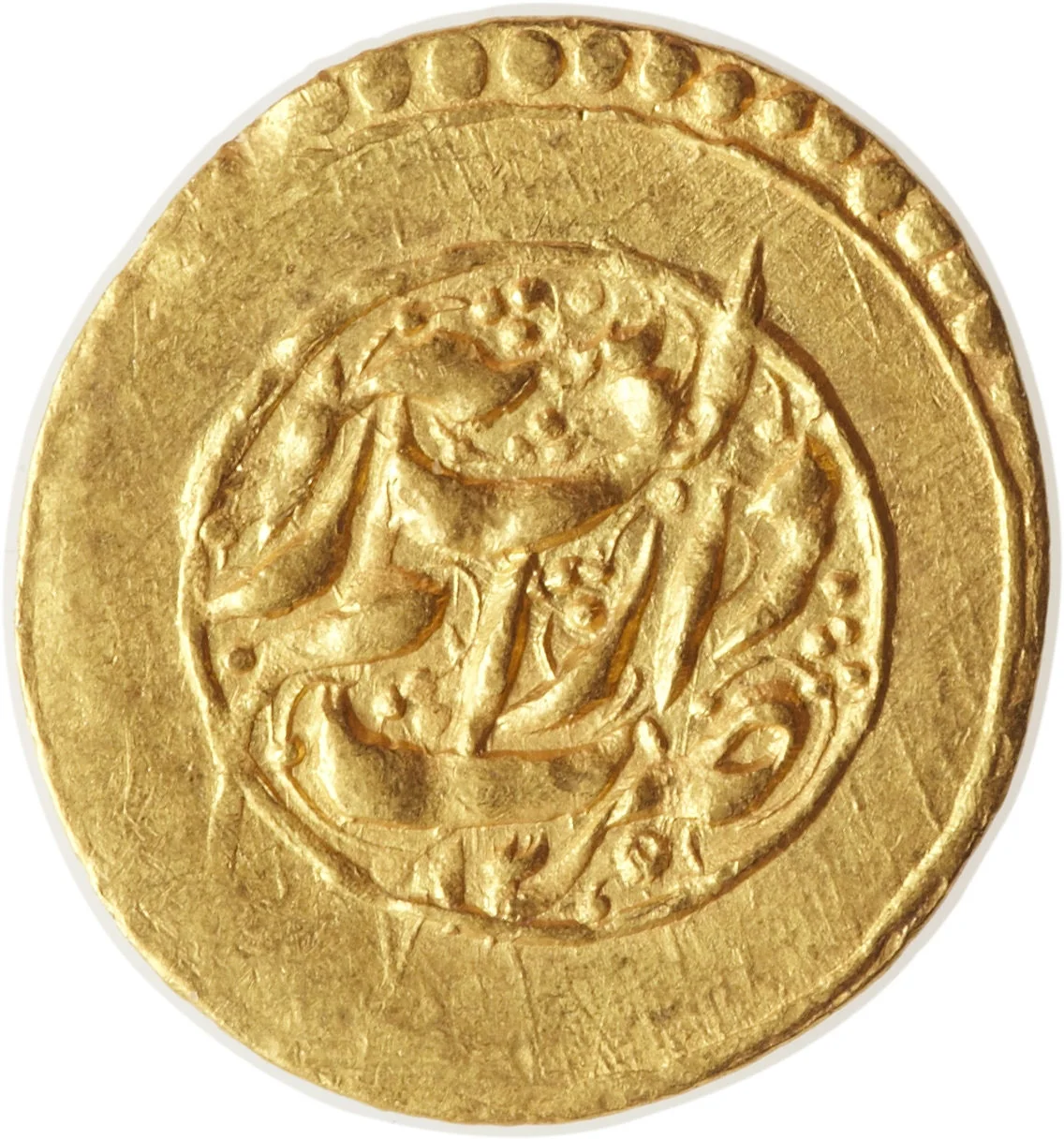
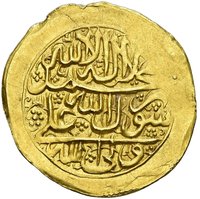
Reverse
Inscription:
ضرب دارالعلم شیراز
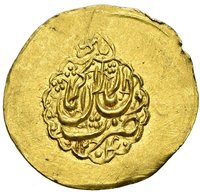
Edge
Mints
| Name | Mark |
|---|---|
| Shiraz | — |
Mintings
| Year | Mint Mark | Mintage | Quality | Collection |
|---|---|---|---|---|
| 1787 | — | — | ||
| 1789 | — | — | ||
| 1791 | — | — |
Historical background
In 1787, Iran was under the rule of the Zand dynasty, with Karim Khan Zand having died in 1779, plunging the country into a prolonged and destructive succession crisis. The period from 1779 to 1794 is known as the "Zand Interregnum," a time of near-constant civil war between rival Zand princes and the rising Qajar tribal confederacy in the north. This political fragmentation directly crippled the state's ability to manage the economy and maintain a unified monetary system. Central authority over minting coins, a key prerogative of a stable sovereign, had effectively broken down.
The currency situation was consequently chaotic and localized. Various provincial governors and competing claimants to the throne, such as Lotf Ali Khan Zand and Agha Mohammad Khan Qajar, minted their own coins to fund their military campaigns and assert their authority. The primary circulating currency was the silver rial and the smaller dinar, but their weight, purity, and value could vary dramatically depending on which faction's mint produced them. This lack of standardization severely hampered inter-regional trade and created widespread uncertainty in markets, as the intrinsic silver content of a coin became more important than its nominal face value.
Furthermore, the relentless warfare devastated agricultural and commercial centers, disrupting the tax revenue that would have supported a sound treasury. This likely led to repeated debasement of the coinage (reducing the silver content) by warring factions to stretch their finances, further eroding public trust in the currency. The monetary disorder of 1787 was therefore a direct symptom of the political anarchy of the time, reflecting a fractured state where economic stability was impossible until a single authority could reunify the country, a process Agha Mohammad Khan Qajar would brutally complete by 1794.
The currency situation was consequently chaotic and localized. Various provincial governors and competing claimants to the throne, such as Lotf Ali Khan Zand and Agha Mohammad Khan Qajar, minted their own coins to fund their military campaigns and assert their authority. The primary circulating currency was the silver rial and the smaller dinar, but their weight, purity, and value could vary dramatically depending on which faction's mint produced them. This lack of standardization severely hampered inter-regional trade and created widespread uncertainty in markets, as the intrinsic silver content of a coin became more important than its nominal face value.
Furthermore, the relentless warfare devastated agricultural and commercial centers, disrupting the tax revenue that would have supported a sound treasury. This likely led to repeated debasement of the coinage (reducing the silver content) by warring factions to stretch their finances, further eroding public trust in the currency. The monetary disorder of 1787 was therefore a direct symptom of the political anarchy of the time, reflecting a fractured state where economic stability was impossible until a single authority could reunify the country, a process Agha Mohammad Khan Qajar would brutally complete by 1794.
✨ Legendary