

2 Speciedaler – Norway
Norway
Context
Material
References
KM: #Click to copy to clipboard42
Numista: #118206
Value
Bullion value: $146.07
Obverse
Description:
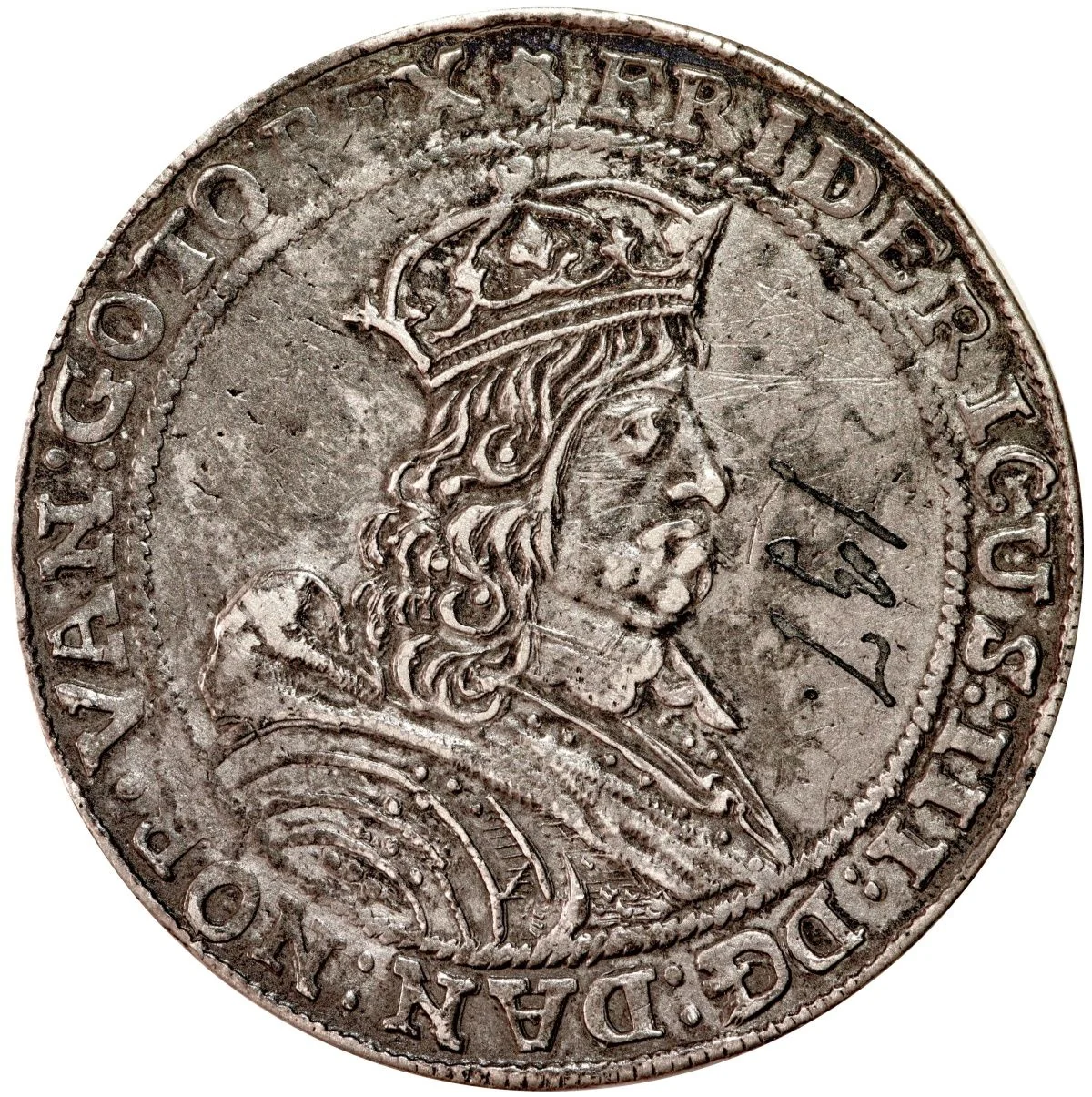
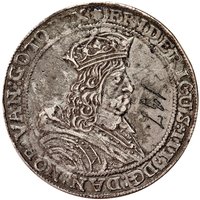
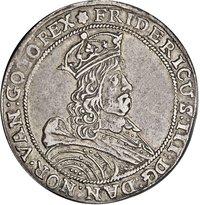
Right-facing crowned bust of Frederick III with long hair within a beaded circle and inscription. Beaded rim.
Inscription:
FRIDERICUS:III:DG:DAN:NOR:VAN:GOTO:REX🟌
Script: Latin
Reverse
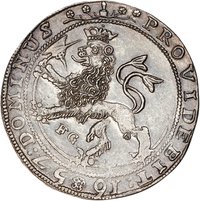
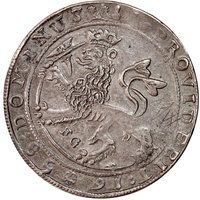
Description:
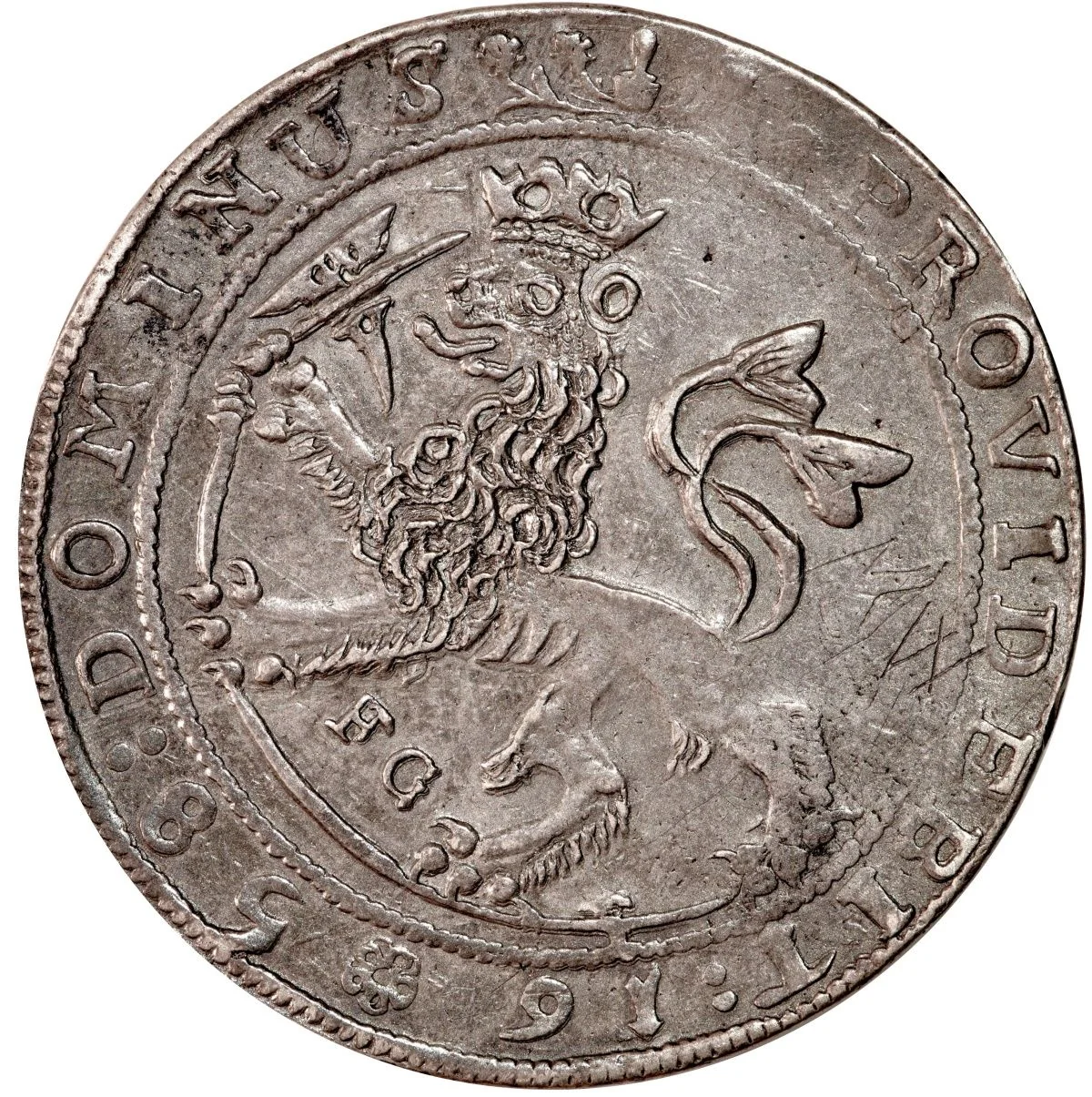
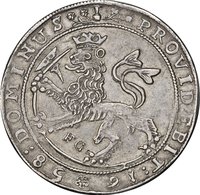
Crowned two-tailed lion rampant left, holding a curved halberd, within a beaded circle. Inscription surrounds, with mintmark among four flowers. Outer beaded border.
Inscription:
:DOMINUS (mm) PROVIDEBIT:16🏵58
FG
FG
Script: Latin
Edge
Plain.
Categories
| Animal |
| Plants> Flower |
| Symbols> Coat of Arms |
| Object> Cold weapons |
| Person> Monarch |
| Symbol> Crown |
Mints
| Name | Mark |
|---|---|
| Christiania | — |
Mintings
| Year | Mint Mark | Mintage | Quality | Collection |
|---|---|---|---|---|
| 1657 | — | — | ||
| 1658 | — | — |
Historical background
In 1657, Norway found itself in a precarious monetary situation, deeply entangled with its political union with Denmark. As part of the Danish-Norwegian dual monarchy, Norway did not control its own currency. The circulating medium was the Danish rigsdaler, a silver coin, but its supply was chronically insufficient for the Norwegian economy, which relied heavily on the export of raw materials like timber and fish. This scarcity of official coinage led to widespread use of fragmented coins and foreign currencies, particularly German and Dutch, creating a chaotic and inefficient monetary environment.
The situation was severely exacerbated by the ongoing Second Northern War (1655-1660). King Frederik III had committed Denmark-Norway to the conflict against Sweden, leading to enormous military expenditures. To finance the war, the government resorted to heavy taxation and, most destructively, repeated debasements of the coinage. The state reduced the silver content in minted coins while ordering them to be accepted at their old, higher face value. This practice, essentially a form of inflation tax, eroded public trust and caused prices to soar, as merchants quickly adjusted for the poorer metal content.
Consequently, by 1657, Norway was experiencing a full-blown monetary crisis on the eve of a Swedish invasion. The combination of coin scarcity, rampant debasement, and the influx of low-value foreign coins created severe economic instability and hardship for the population. The fundamental problem was a lack of sovereign monetary authority; Norway's currency was a fiscal tool for Copenhagen's wartime needs, leaving the local economy vulnerable to inflation and disruption, setting the stage for the severe trials that would come with the Swedish occupation of Trondheim and the devastating war in the years immediately following.
The situation was severely exacerbated by the ongoing Second Northern War (1655-1660). King Frederik III had committed Denmark-Norway to the conflict against Sweden, leading to enormous military expenditures. To finance the war, the government resorted to heavy taxation and, most destructively, repeated debasements of the coinage. The state reduced the silver content in minted coins while ordering them to be accepted at their old, higher face value. This practice, essentially a form of inflation tax, eroded public trust and caused prices to soar, as merchants quickly adjusted for the poorer metal content.
Consequently, by 1657, Norway was experiencing a full-blown monetary crisis on the eve of a Swedish invasion. The combination of coin scarcity, rampant debasement, and the influx of low-value foreign coins created severe economic instability and hardship for the population. The fundamental problem was a lack of sovereign monetary authority; Norway's currency was a fiscal tool for Copenhagen's wartime needs, leaving the local economy vulnerable to inflation and disruption, setting the stage for the severe trials that would come with the Swedish occupation of Trondheim and the devastating war in the years immediately following.
Series: 1657 Norway circulation coins

✨ Legendary