

1 speciedaler – Norway
Add to wishlist
Norway
Context
Material
References
KM: #
Numista: #102382
Value
Bullion value: $62.01
Obverse
Description:
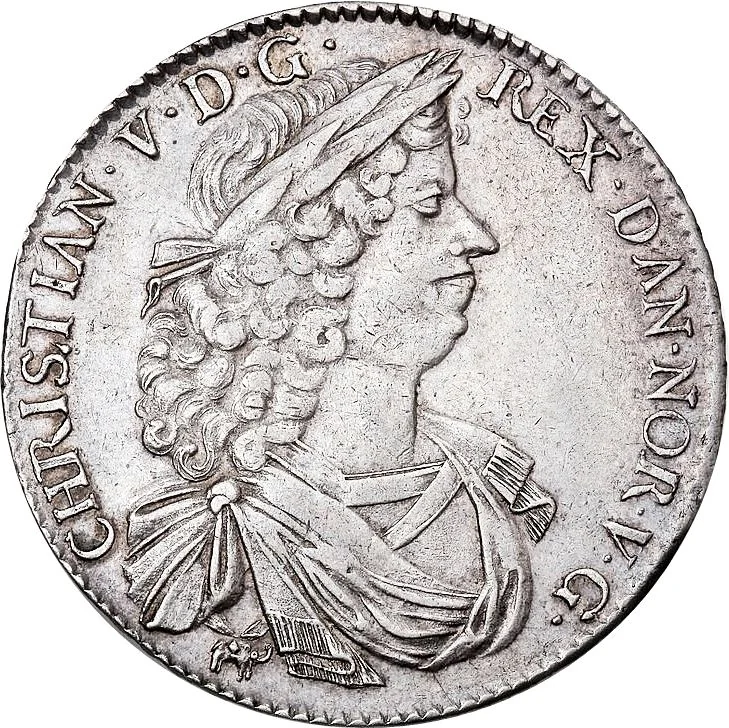
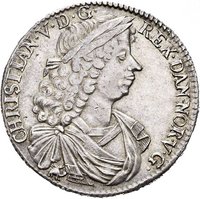
King Christian V’s draped right-facing bust with long hair, elephant insignia below, surrounded by inscription and a beaded rim.
Inscription:
CHRISTIAN·V·D·G· REX·DAN·NOR·V·G·
Script: Latin
Engraver: Caspar Barth
Reverse
Description:
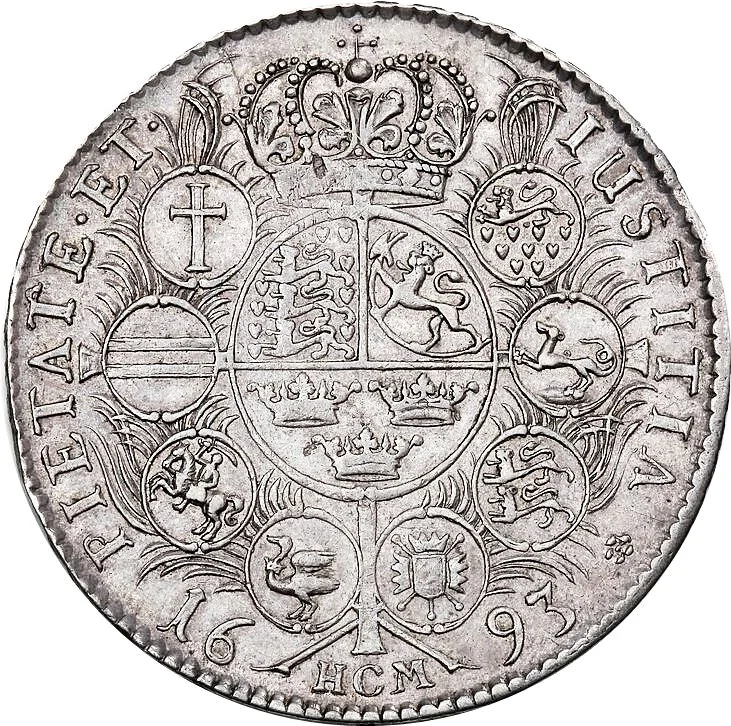
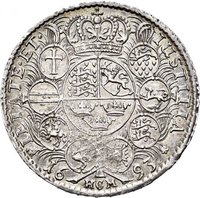
Shield with a cross, topped by a crown. The central shield features the Danish, Norwegian, and Swedish coats of arms (three lions, a lion with an axe, and three crowns). These are encircled by the arms of eight provinces on laurels: Goths, Wends, Schlesvig, Holstein, Stormarn, Ditmarsken, Oldenborg, and Delmenhorst. A dated inscription with the mintmaster's initials is at the bottom, all within a beaded rim.
Inscription:
PIETATE·ET· IUSTITIA ✿
16 HCM 93
16 HCM 93
Script: Latin
Engraver: Caspar Barth
Edge
Mints
| Name | Mark |
|---|---|
| Norwegian Mint | — |
Mintings
| Year | Mint Mark | Mintage | Quality | Collection |
|---|---|---|---|---|
| 1692 | — | — | ||
| 1693 | — | — |
Historical background
In 1692, Norway was part of the dual monarchy of Denmark-Norway, and its currency system was fundamentally dictated by Copenhagen. The primary circulating coin was the silver riksdaler, but the monetary landscape was chaotic and strained. Decades of war, particularly the Scanian War (1675-1679), had severely depleted the kingdom's silver reserves. This led to a chronic shortage of sound coinage, forcing the state to repeatedly issue debased coins and lightweight skilling pieces to meet its obligations, thereby eroding public trust in the currency.
The situation was exacerbated by the widespread circulation of foreign coins, especially Dutch ducats and German thalers, which were often preferred for their reliable silver content. Furthermore, a significant portion of domestic trade, particularly in rural areas, still relied on barter or the use of standardized commodity goods like våg (a unit of weight) of butter or dried fish as a medium of exchange. This reflected the insufficiency of the official coinage to facilitate everyday economic activity across the vast and geographically challenging country.
King Christian V's government was aware of the problems and had attempted reforms, most notably with the introduction of a new currency system in 1687 based on the riksdaler specie. However, by 1692, the benefits of this reform had not yet materialized for the average Norwegian. The treasury remained weak, and the gap between the face value of coins and their intrinsic metal value created instability. Thus, the currency situation in 1692 was one of transition and difficulty, characterized by a confusing mix of old and new coins, foreign currency, and non-monetary exchange, all underpinned by a royal struggle to restore a unified and trustworthy monetary standard.
The situation was exacerbated by the widespread circulation of foreign coins, especially Dutch ducats and German thalers, which were often preferred for their reliable silver content. Furthermore, a significant portion of domestic trade, particularly in rural areas, still relied on barter or the use of standardized commodity goods like våg (a unit of weight) of butter or dried fish as a medium of exchange. This reflected the insufficiency of the official coinage to facilitate everyday economic activity across the vast and geographically challenging country.
King Christian V's government was aware of the problems and had attempted reforms, most notably with the introduction of a new currency system in 1687 based on the riksdaler specie. However, by 1692, the benefits of this reform had not yet materialized for the average Norwegian. The treasury remained weak, and the gap between the face value of coins and their intrinsic metal value created instability. Thus, the currency situation in 1692 was one of transition and difficulty, characterized by a confusing mix of old and new coins, foreign currency, and non-monetary exchange, all underpinned by a royal struggle to restore a unified and trustworthy monetary standard.
✨ Legendary